Is this police force professional and capable of handling violen...
/ 2026-10-16 18:54:07Focus


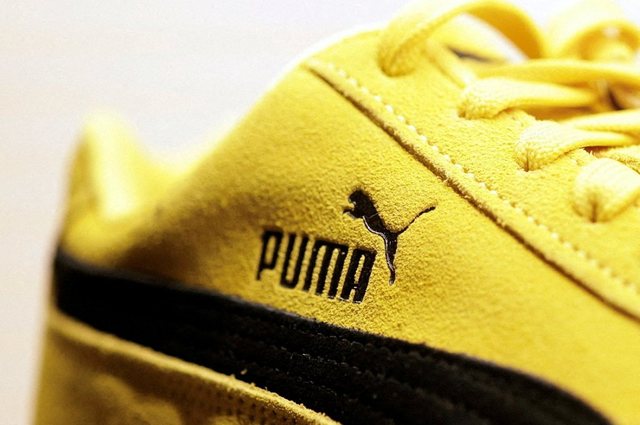
German sportswear giant Puma and its fierce rival Adidas have their origins in the same house, where brothers Rudolf and Adolf Dassler started the shoe business nearly a century ago. A major conflict between the two brothers led to the company being split in two.
After the original company called Geda split, Rudolf founded Ruda, which later became Puma, while Adolf created Adidas. The headquarters of the two companies are still located very close to each other, in the Bavarian town of Herzogenaurach.
Puma is now expected to come under the control of Chinese sportswear company Anta, which would become its largest shareholder in a deal worth $1.8 billion. The aim is to revive one of Europe's most iconic sports brands, which has lost ground in recent years.
Puma, known for its wildcat logo, has struggled to attract consumers to its Speedcat sportswear and sneakers, while Adidas has had great success with its retro "Terrace" models, significantly widening the sales gap between the two companies.
"Puma became overly reliant on lifestyle products, rather than focusing on performance athletic footwear, which has been the main driver of this sector ," said Morningstar analyst David Swartz, adding that lower revenues have limited the company's ability to invest in big names that increase brand visibility.
Challenges from new brands
Until a few years ago, Puma was ranked third in the world for sportswear, behind Nike and Adidas, competing to produce trendy sneakers and secure sponsorships from athletes and football teams. But with the rise of new brands like On Running and Hoka, Puma has fallen behind.
“Puma has become too commercial, overexposed in the wrong channels and with too many price cuts,” Puma CEO Arthur Hoeld, a former sales executive at Adidas, said in October.
The deal with Anta to buy a 29% stake previously held by the Pinault family (owner of the Kering group) gives Puma an opportunity to regain lost ground, especially in the Chinese market. Puma shares rose 9% after the news.
“We have a lot of knowledge on how to make Puma more successful in China,” Wei Lin, global vice president of Anta, told Reuters. “ It is one of the most valuable brands in this industry.”
The deal values Puma at around $6.2 billion, a relatively low price compared to rivals such as Adidas, Nike and Swiss company On.
Speedcat VS Samba
Founded in 1948, Puma has a long history of equipping athletes with athletic shoes and football boots, originally manufactured in Germany and today mainly in China, Vietnam and Indonesia.
While Adidas experienced strong growth, Puma also thrived, with its shares peaking at €115 at the end of 2021. Since then, their value has fallen by around 80%. Puma's market capitalization is currently around €3.2 billion, just one-eighth the size of Adidas.
While trade war uncertainties have affected the entire retail sector, Puma has been hit particularly hard by fierce competition and the fact that its latest models, including the Speedcat, have been overshadowed by the Adidas Samba and other retro shoes.
Chief executive Arthur Hoeld has unveiled a recovery plan that includes cutting 900 jobs, cutting discounts, improving marketing and reducing the product range.
According to analyst Felix Dennl from German bank Metzler, Adidas gained an advantage by being the first to capitalize on the retro sneaker trend.
"Adidas started this trend about six months before Puma, benefiting not only from a faster launch but also transferring popularity from lifestyle shoes to performance products," he said.