Is this police force professional and capable of handling violen...
/ 2026-10-16 18:54:07Focus


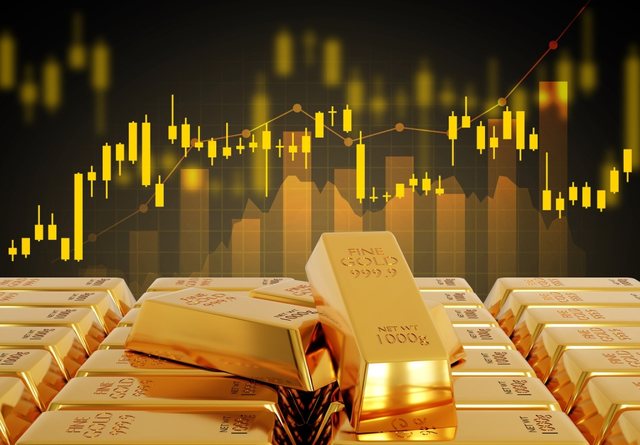
The price of gold has surpassed the $5,000 per ounce mark for the first time, as Donald Trump's unpredictable policies and contradictory statements have pushed more and more investors towards safe assets.
The precious metal rose 1.8% on Monday to $5,078 an ounce, according to Bloomberg data. The historic development comes at a time of heightened political and economic tension, after Trump threatened Canada with 100% tariffs if it “makes a deal with China,” as well as a bitter standoff with Europe over the future of Greenland.
Meanwhile, global financial markets are already reeling from fears of another US government shutdown, after Democrats threatened to cut off funding for the Department of Homeland Security, following the killing of a man in Minneapolis by federal immigration agents over the weekend.
Monday's surge is the latest episode in a remarkable run for gold, which has surged nearly 90% since Trump's inauguration more than a year ago.
Steve Miller, investment strategy advisor at Australian asset management company GSFM, said he had not seen anything like it in his four decades in financial markets.
"The second oil shock and the inflation fears in the late 1970s and early 1980s are the last times I remember such a situation for gold, and that was before I entered the financial markets," he said.
Miller, former head of fixed income at investment giant BlackRock, said the recent rise in gold is linked to concerns that the Trump administration could take steps to weaken the US dollar, the world's most important currency.
According to him, an additional factor that drove the price increase was the information that the US Federal Reserve had contacted banks to monitor the exchange rate between the US dollar and the Japanese yen, which is declining.
"If the Federal Reserve is doing this on behalf of the US Treasury, there is only one reason: they think the US dollar is too strong," Miller said.
Important voices within the US administration have long signaled that they prefer a weaker dollar, with the aim of reviving domestic production.
A weaker dollar would lower the value of key U.S. assets, such as Treasury bonds, further increasing the appeal of gold as a store of value. This process, known as “depreciation trading,” also carries a more dramatic dimension.
Some analysts have warned of the growing US debt and deficit, which could cause greater shocks to global markets if investors lose confidence in the world's reserve currency.
However, Miller expressed skepticism about this extreme scenario.
However, he estimates that gold will remain in demand as a diversification and security instrument as long as uncertainty dominates global financial markets.
“I think there’s still room for further upside,” Miller said. “But equally important, gold can serve as a hedge against turmoil in other asset classes.”