Protests, violence, curfews: From France to Albania, why Europe'...
/ 2026-10-20 23:47:20Focus


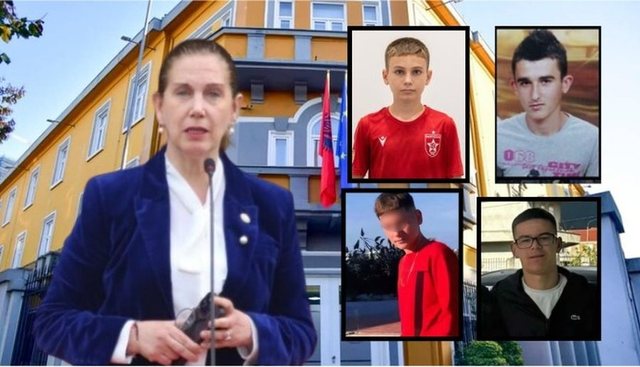
In recent years, Albania has been shaken by several incidents where minors have been killed by their peers, following conflicts that often started as small arguments and ended in extreme acts.
The phenomenon has become a national alarm, while the knife has become the most widespread weapon in the hands of teenagers.
On December 12, 2025, near the "Shejnaze Juka" school in Shkodra, a clash occurred between several teenagers, as a result of which two of them were injured with a cutting tool.
On November 25, 2025, in Durrës, a similar conflict ended in death. 15-year-old Erjon Boba died in hospital a few days after being stabbed in the chest during a petty conflict between his peers.

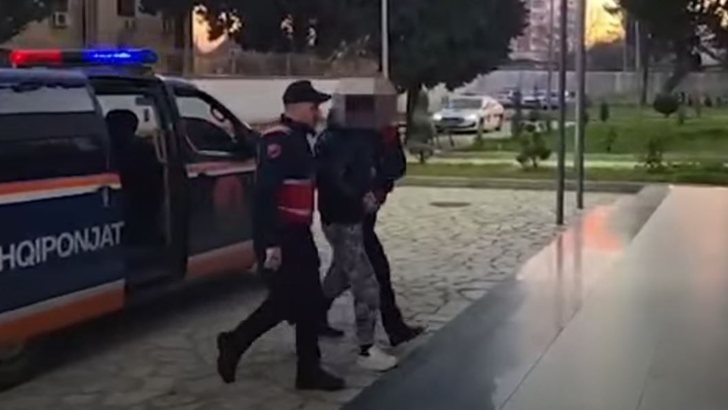
The suspected perpetrator, only 14 years old, was detained by police.
In Tirana, in 2024, a conflict started on social networks between students ended tragically near the "Fan Noli" school, where 14-year-old Martin Cani lost his life and another student was injured.

The clash, which moved from virtual space to premises near the school, brought back to attention the fragility of security in educational institutions and the lack of effective preventive mechanisms.
The perpetrator, minor Marjo Përlleshaj , was later sentenced by the court to 16 years in prison.
The "Kolë Jakova" school in Tirana in 2024 was the scene of another case where a 14-year-old was injured during a fight between students.
This episode, like others, was described by experts as a signal of the lack of real structures to prevent the escalation of conflicts.
In Gramsh, in 2023, a serious event shook the city and once again raised the alarm about violence among minors.
Fatjon Bici , only 15 years old, was stabbed to death in the city park, while returning from school.

He had intervened to break up a fight between his cousin and four peers, but the attempt to avoid the conflict turned into tragedy.
A stab wound to the heart took his life on the spot.
Investigations revealed that the conflict had earlier started on social media, before escalating into fatal violence in the middle of the city.
In Tirana, Korça and other cities, numerous cases of injuries among 8th and 9th grade students have been recorded, often inside or near schools. The incidents stemmed from bullying, social pressure and minor conflicts on social networks.
Lawyer Alban Duraj, who has followed some of these cases, says that murders among peers are no longer isolated cases, but a signal of a complex phenomenon where social trauma, silent violence, and the lack of effective preventive policies are intertwined.
What does the law provide? Albanian law has a clear framework for minors:
The Penal Code establishes that criminal responsibility begins at the age of 14.
Law 37/2017 on criminal justice for minors requires specialized treatment, with a focus on rehabilitation, not punishment.
Law 18/2017 guarantees strong protection for minor victims, from psychological support to non-disclosure of identity.
But lawyer Duraj emphasizes that implementation is lacking.
"The Albanian legal framework guarantees special treatment at every procedural stage, through specialized structures, with a focus not on punishment but on rehabilitation, but concrete cases show that psychological, social and institutional support remains limited. Even perpetrators who are minors are often publicly exposed in the media," he says.
The current challenges and institutional gaps, according to the lawyer, are the lack of cooperation between school, family and institutions, as well as the justice system, which often lacks the necessary capacities for juvenile issues.
Studies show that physical, psychological, and digital bullying are direct factors in the development of aggressive and criminal behaviors.
In Albania, the lack of early intervention structures, low reporting, and the normalization of violence in schools exacerbate the situation.
Therefore, to curb the phenomenon, strengthening the implementation of juvenile justice, the establishment of early intervention centers, mandatory implementation of social education modules in schools, and greater support for families, including counseling and psychosocial assistance, are required./ ACQJ