Is this police force professional and capable of handling violen...
/ 2026-10-16 18:54:07Focus


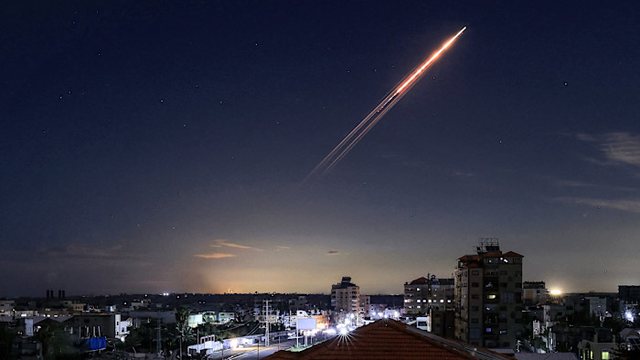
While the world's attention has focused on tensions and clashes in the Middle East, China has pursued a calm and calculated strategy: observe, adapt, and take advantage.
According to an analysis by Axios, President Xi Jinping has managed to exploit the conflict between the United States and Iran to advance Chinese interests on several fronts at once, without directly engaging in war.
In Beijing, this approach is seen not as a coincidence, but as a continuation of a well-known doctrine: gaining strategic advantage through patience and exposing rivals' weaknesses. While the US has been involved in military and diplomatic crisis management, China has remained in the background, carefully following every development.
According to the analysis, one of the most immediate benefits has been in the military field. The US engagement in the conflict has consumed a significant portion of its modern arsenals, including high-precision missiles and air defense systems. For Chinese strategists, this is not just a statistic, but a direct source of information on how the US develops and uses its military power in a real conflict.
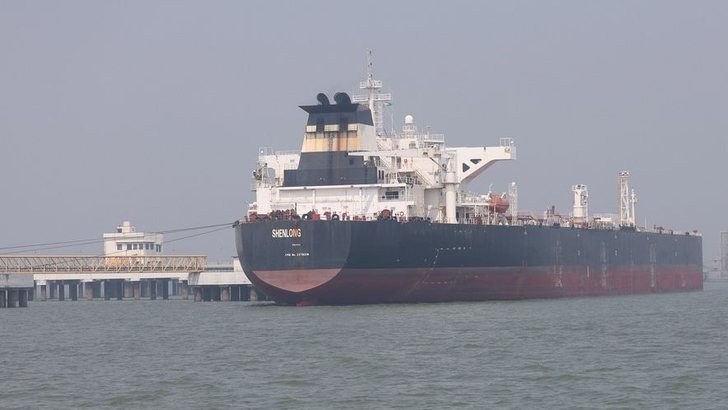
At the same time, China has seen a new opportunity in the energy sector. Disturbances in the Strait of Hormuz and uncertainties in global supply have accelerated the trend towards renewable energy – a sector where Beijing already has a strong dominance, controlling large parts of the global production chain for batteries, solar panels and green technology.
As energy markets shake, China continues to maintain a relatively stable position, thanks to a combination of partial self-sufficiency and strategic reserves. In this context, any global energy crisis, according to the analysis, further reinforces the world's dependence on technologies that Beijing already controls.
Another dimension of benefits relates to technology and Artificial Intelligence. War and tensions in the Middle East have pushed Western investment in the region onto uncertain ground, delaying major projects in digital infrastructure and AI. China, meanwhile, continues to expand its computing and industrial capacities, avoiding dependence on unstable geopolitical areas.
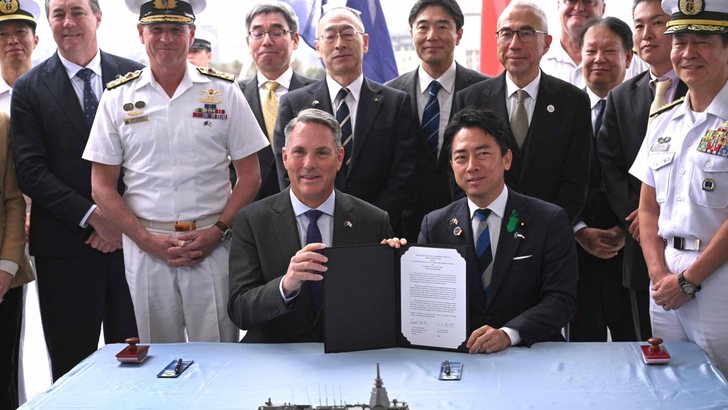
But perhaps the most important benefit, according to the analysis, is strategic: The US is distributing its military and political resources across several fronts simultaneously, from the Middle East to the Indo-Pacific. This, observers say, creates new spaces for China in Asia, where Washington's traditional allies are reconsidering American security guarantees.
Against this backdrop, Beijing does not need to change its approach. It is simply following developments and quietly strengthening its position.
The analysis concludes with a clear conclusion: in this conflict, China has not been an actor on the battlefield, but has been among the biggest strategic winners. And all this, without firing a single bullet.