Is this police force professional and capable of handling violen...
/ 2026-10-16 18:54:07Focus


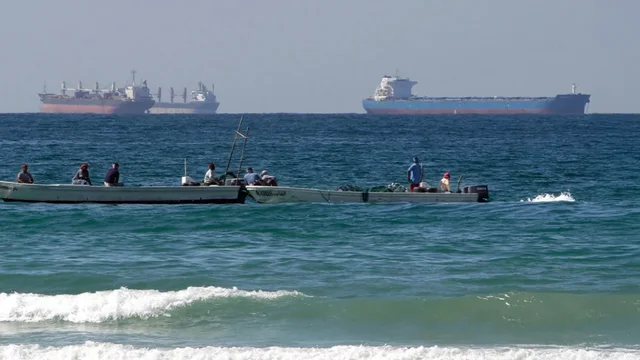
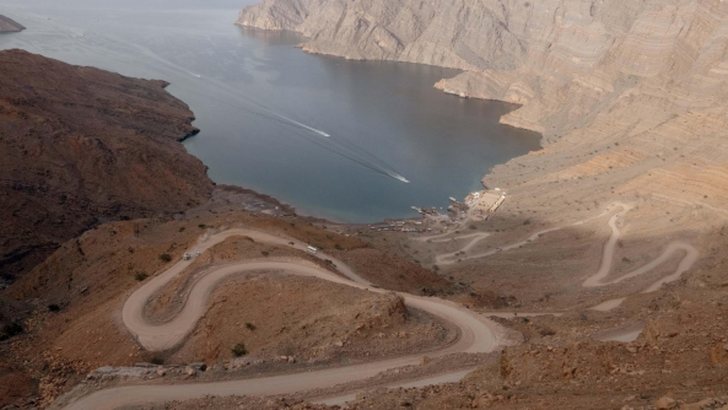
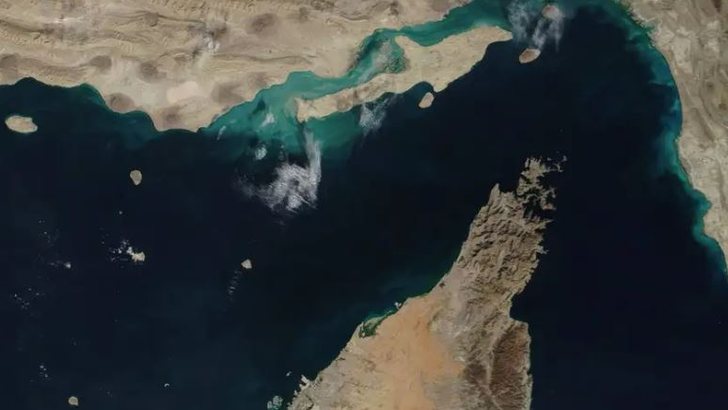
The ships appear to be moving through the Strait of Hormuz, according to data from tracking site MarineTraffic.
Several vessels, which according to the site include ships designed to transport oil, liquefied petroleum gas and chemicals, can be seen passing through this key maritime corridor.
This is the first major movement of ships in this key passageway since the start of the US-Israeli war against Iran seven weeks ago.
According to MarineTraffic data, they were passing through Iranian waters south of Larak Island, while more tankers were following them from the Persian Gulf.
The White House chief of staff has expressed optimism that there will be a second round of talks with Iran this weekend.
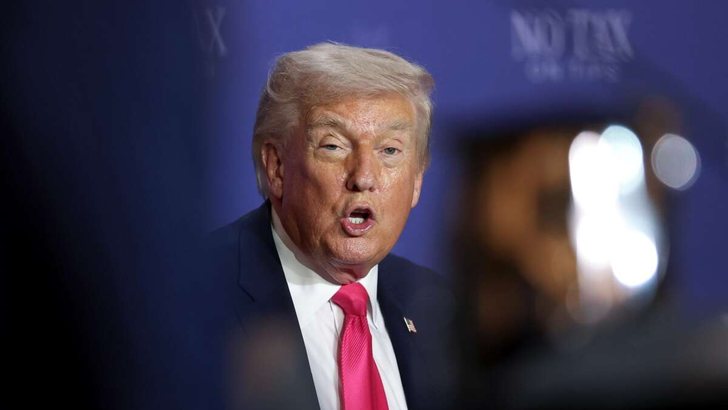
Among the posts flooding his Truth Network, Trump said that Iran had agreed to no longer close the Strait of Hormuz and not use it as a weapon against the world.
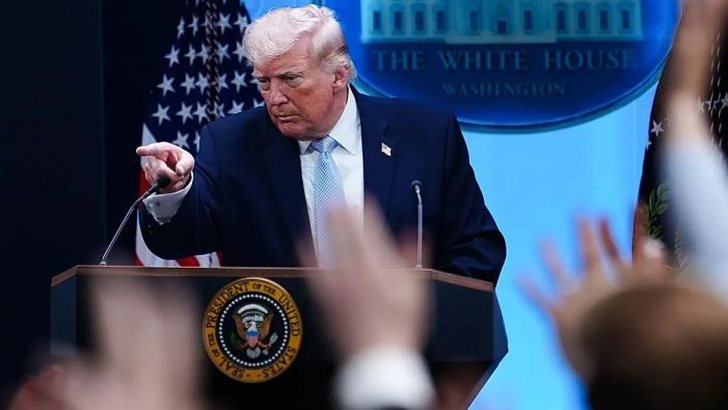
Unlike the Iranian top diplomat, the American president said that the opening of the Strait is in no way related to Lebanon, while emphasizing that he has forbidden Israel from bombing Lebanon again. The Iranian president's spokesman responded on the X network, saying that the opening of the Strait is limited and serves to test the commitment of the opposing side.
In an interview with Reuters, Donald Trump said he would work with Iran to collect its nuclear-enriched uranium dust and return it to the United States. The US president believes the bombing campaign has destroyed its stockpile of enriched uranium, which could be used to produce nuclear weapons. Iran is believed to have had up to 450 kilograms of 60% enriched uranium.
The opening of the Strait was welcomed by the French president, British prime minister, German chancellor, Italian prime minister and other participants in a 40-nation summit in Paris to discuss ways to keep Hormuz open. However, they expressed the need to be engaged, as there is no guarantee that the Strait will stay open for long.
The crude oil exchanges in London and Texas reacted immediately by reducing the price to $83 per barrel, a drastic drop of more than 11%.