Is this police force professional and capable of handling violen...
/ 2026-10-16 18:54:07Focus


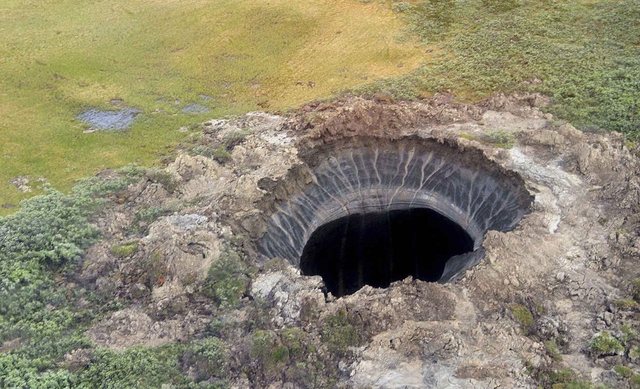
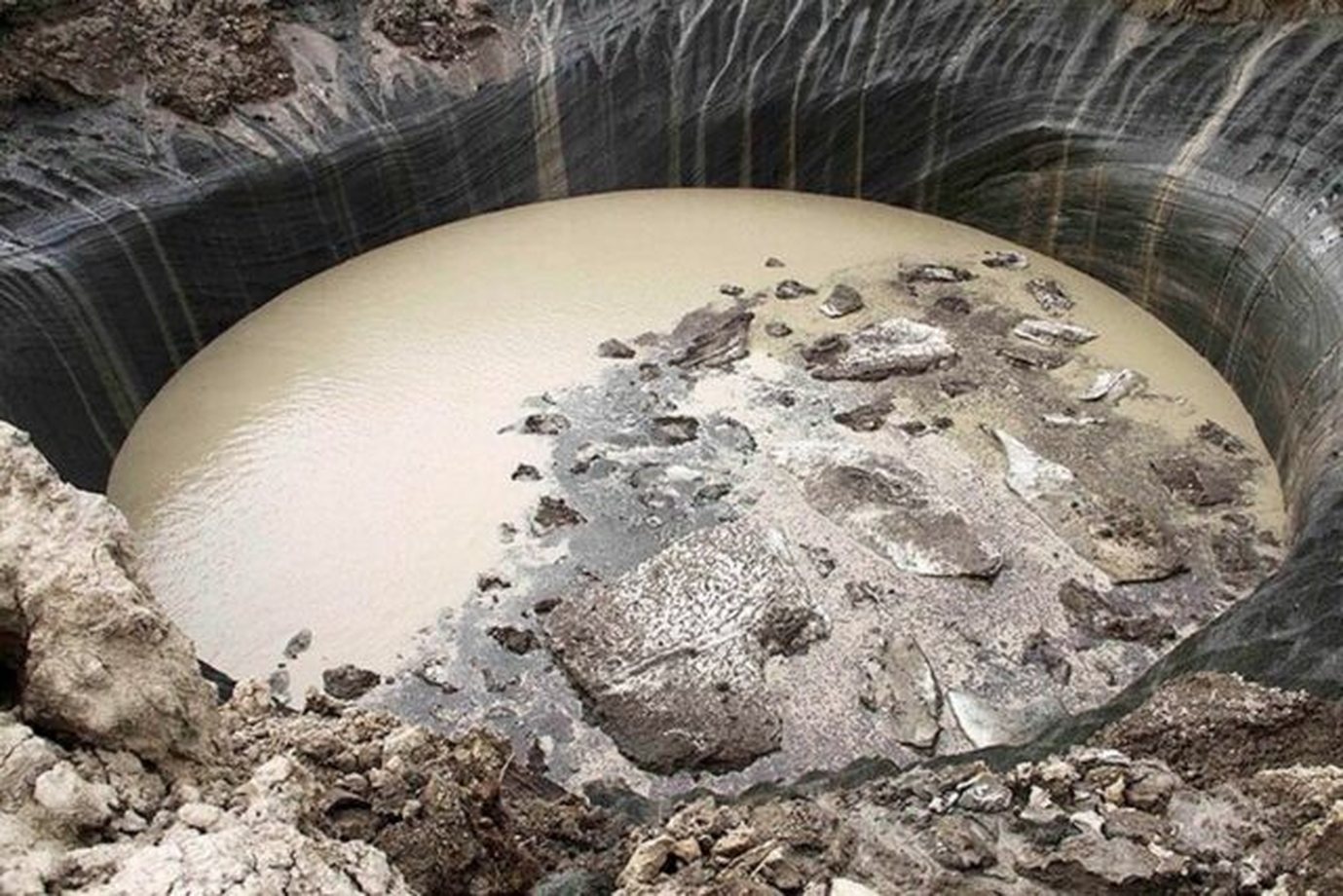
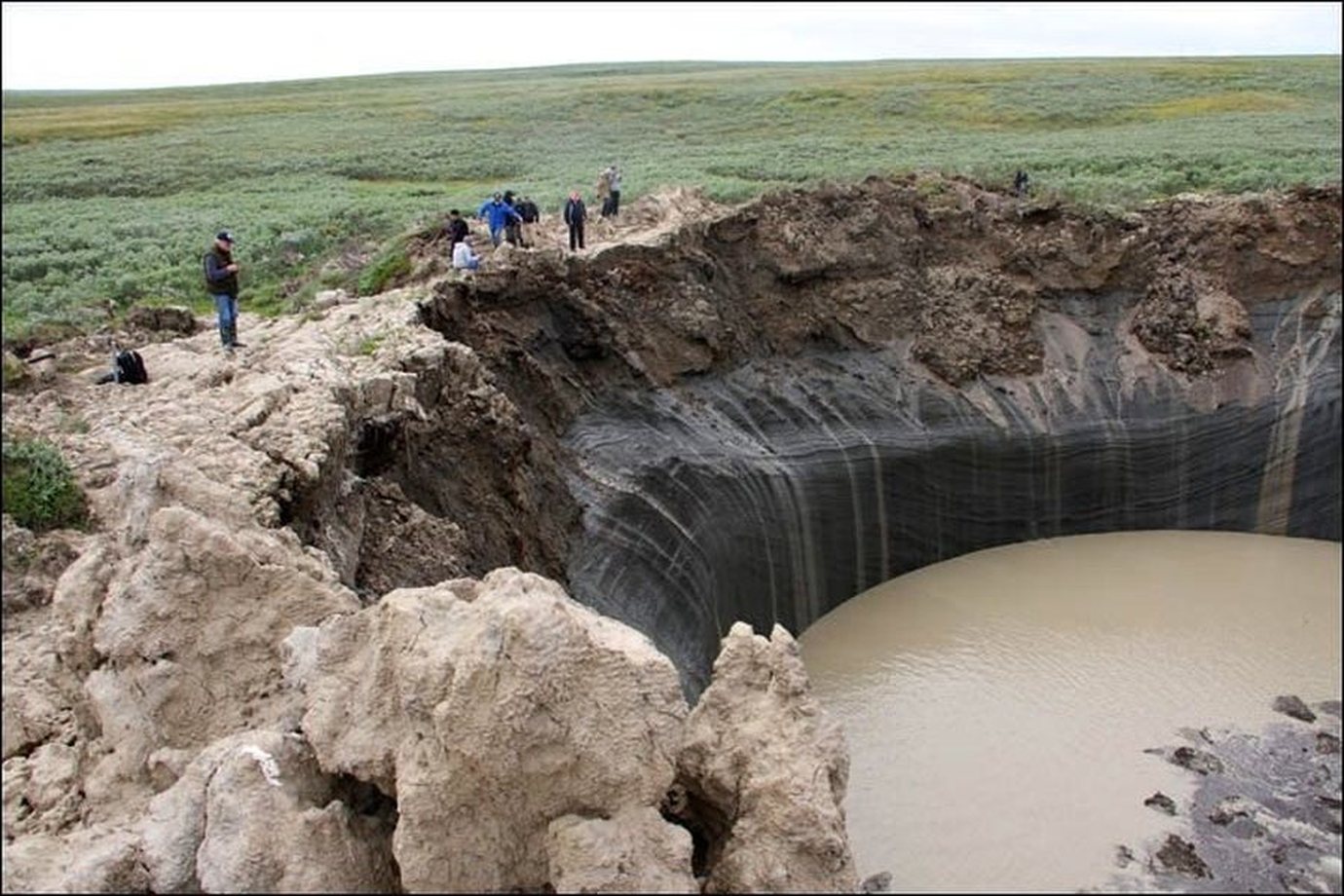
Eleven years ago, the first giant crater, caused by a powerful subsurface explosion, was discovered in northeastern Siberia. Since then, between eight and 17 similar craters have been identified, raising big questions for scientists.
Initially, the cause of these eruptions remained a mystery. However, research linked them to global warming and the melting of the Earth's permafrost. The melting creates pockets of methane that, under pressure, can explode.
But the dilemma was why the phenomenon appeared mainly on the Jamall and Gida peninsulas of Siberia and not in other parts of the Arctic.
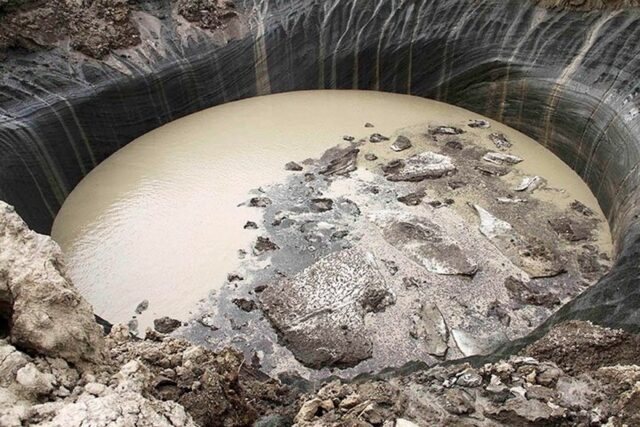
A new study published in Science of the Total Environment, led by Helge Hellevang, a professor at the University of Oslo, provides an answer. According to computer models, in these regions the permafrost is more weakened due to cracks created by tectonic activity, which allow gas to rise to the surface. When melting ice forms shallow lakes, the protective layer weakens and the pressure of methane leads to explosions.
Scientists warn that as temperatures rise, the number of craters could increase significantly. Craters often turn into lakes, making them difficult to study.
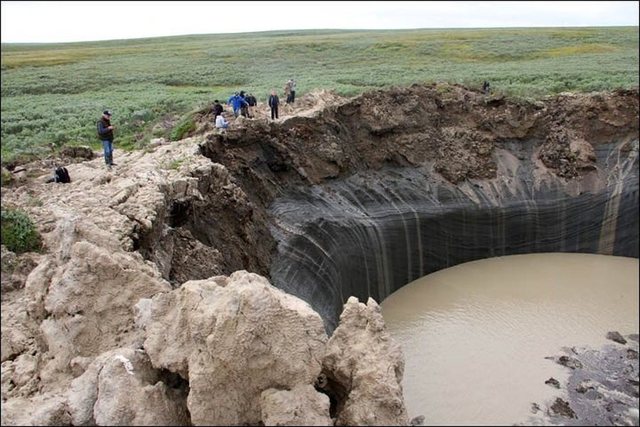
Experts believe that similar eruptions have occurred in the past, but have not been documented due to a lack of observations in this deep and rare area.
Researchers emphasize that the phenomenon still remains underestimated and largely unknown.