Is this police force professional and capable of handling violen...
/ 2026-10-16 18:54:07Focus


Heather Jasper - BBC
In the desert hills of Peru, archaeologists have discovered a 3,800-year-old city that could rewrite the way we understand the cradle of civilization in the Americas.
Four hours from Peru's capital, Lima, the slopes of the Supe Valley seem almost surreal. The deserted fields are dominated by strong winds, crumbling walls and the heat throughout the desert.
It's hard to imagine that these arid slopes once housed one of the world's first great civilizations, a new discovery that could rewrite the history of America.
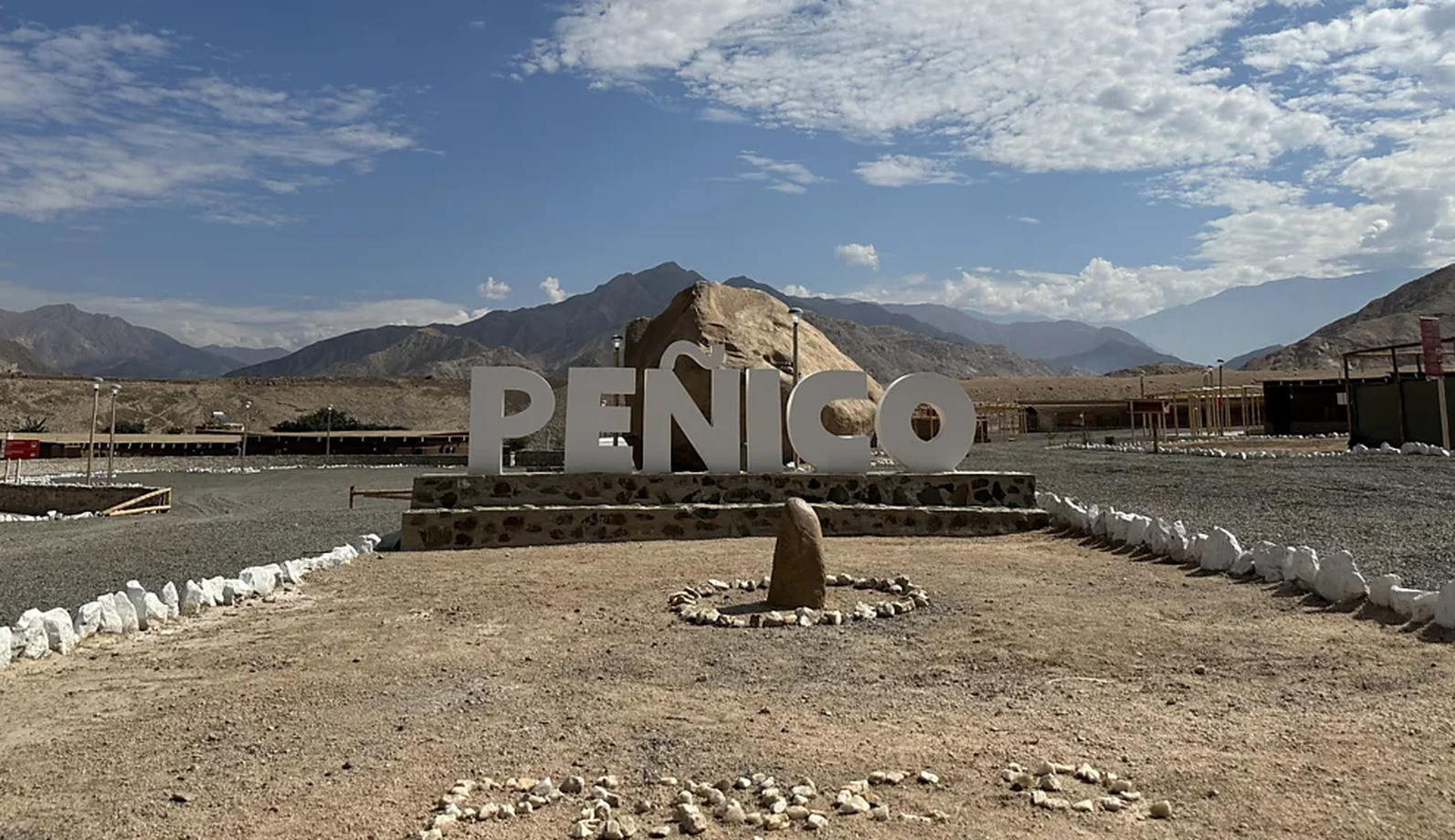
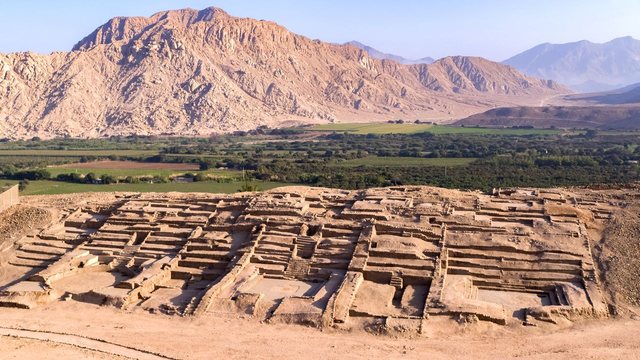
In July of this year, Peruvian archaeologist Dr. Ruth Shady unveiled Peñico, a 3,800-year-old city of Peru's ancient Caral civilization. With 18 structures, including ceremonial temples and residential complexes! Most importantly, it provides new evidence that the Caral people adapted to climate disasters.
America's peaceful hill
Long before the Aztecs (an indigenous people of Central America), the Maya (one of the most famous indigenous civilizations of Central America) or the Incas (a major indigenous civilization of South America) appeared, the arid coast of Peru was home to Caral, one of the most ancient and peaceful societies in the world.
Their main settlement, Caral-Supe, considered the cradle of civilization in the Americas and part of the UNESCO list since 2009, flourished about 5 thousand years ago, parallel to the earliest urban centers of Mesopotamia and Egypt on the other side of the globe.
But unlike ancient world sites, Caral had no defensive walls, and researchers have found no evidence of weapons. When Shady began excavating at Caral in 1994, she discovered a society built on trade, music, ritual, and consensus.
According to Shady's findings, about 3,000 people lived in Caral, plus several smaller villages around it.
The strategic position of the Supe Valley connected the Pacific coast with the fertile valleys and the distant Amazon, creating a network of cultural and commercial exchanges. The Caral people cultivated cotton, sweet potatoes, squash, fruits, and chili peppers, trading them for minerals from the mountains and small monkeys and parrots from the Amazon as pets. In addition, they collected shells, seaweed, and fish along the coast.
“There were cross-cultural relationships with the people of the jungle, the mountains and great distances as far as Ecuador and Bolivia, but always in peace,” Shady said.
Architecture and art
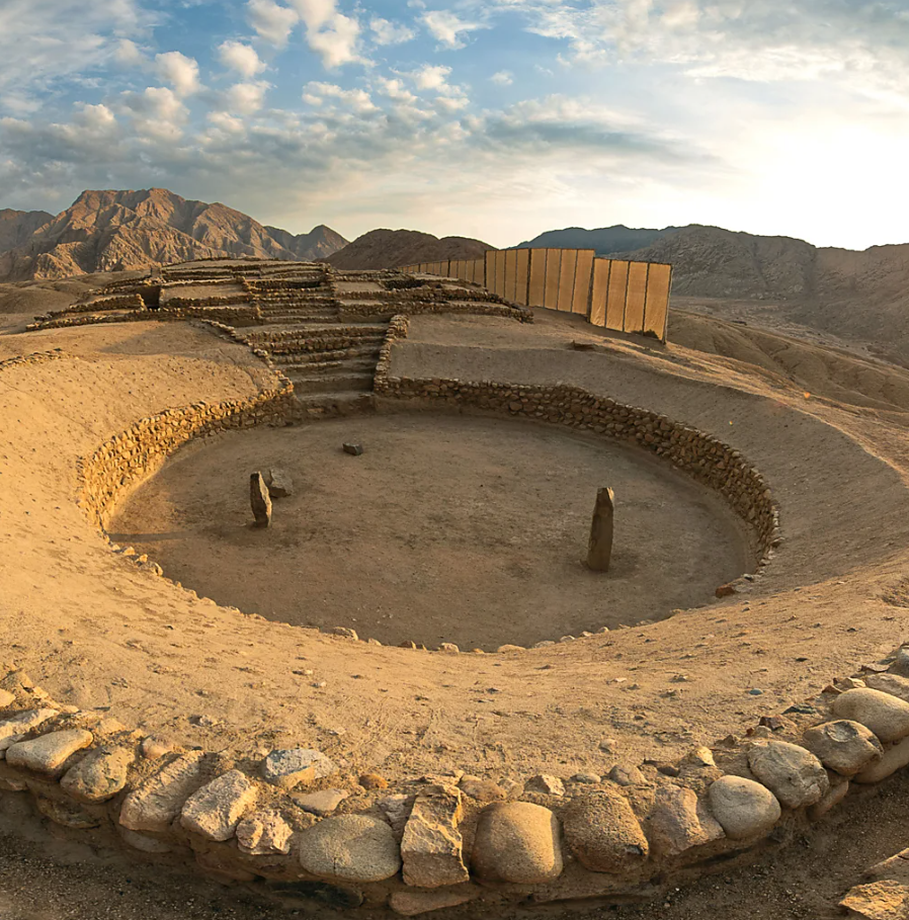
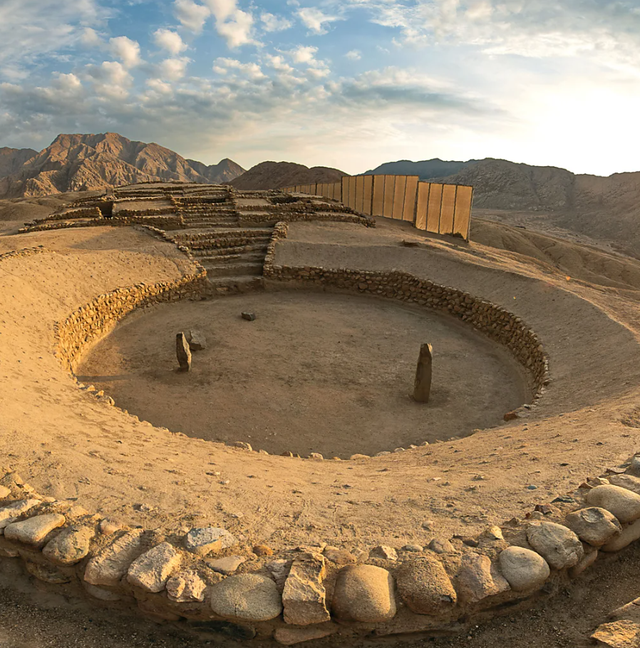
The city's amphitheater was earthquake-resistant with a unique acoustic design for large concerts.
32 musical instruments (flutes) have been discovered so far, some carved with pelican bones and others beautifully decorated, a material evidence of trade and cultural involvement.
“With these instruments they welcomed people from the coast, mountains and jungles to rituals and ceremonies,” Shady said.
The fall in the desert
Despite its social success, Caral faced a major challenge: climate. About 4,000 years ago, a 130-year drought, part of a global shift that also affected Mesopotamia, Egypt, and China, led to the collapse of its culture and infrastructure. Caral's monumental plazas and pyramids were abandoned in the desert.
“Climate change caused a crisis in Caral,” says Shady. “The rivers and fields dried up. They had to abandon the urban centers, as happened in Mesopotamia.”
For years, Shady's team believed that the starving survivors had fled to the coast where they could gather shells and fish. Excavations at Vichama, a site near the Huaura Valley, seemed to support this idea.
But Peñico's latest discovery tells a different story.
Peñico
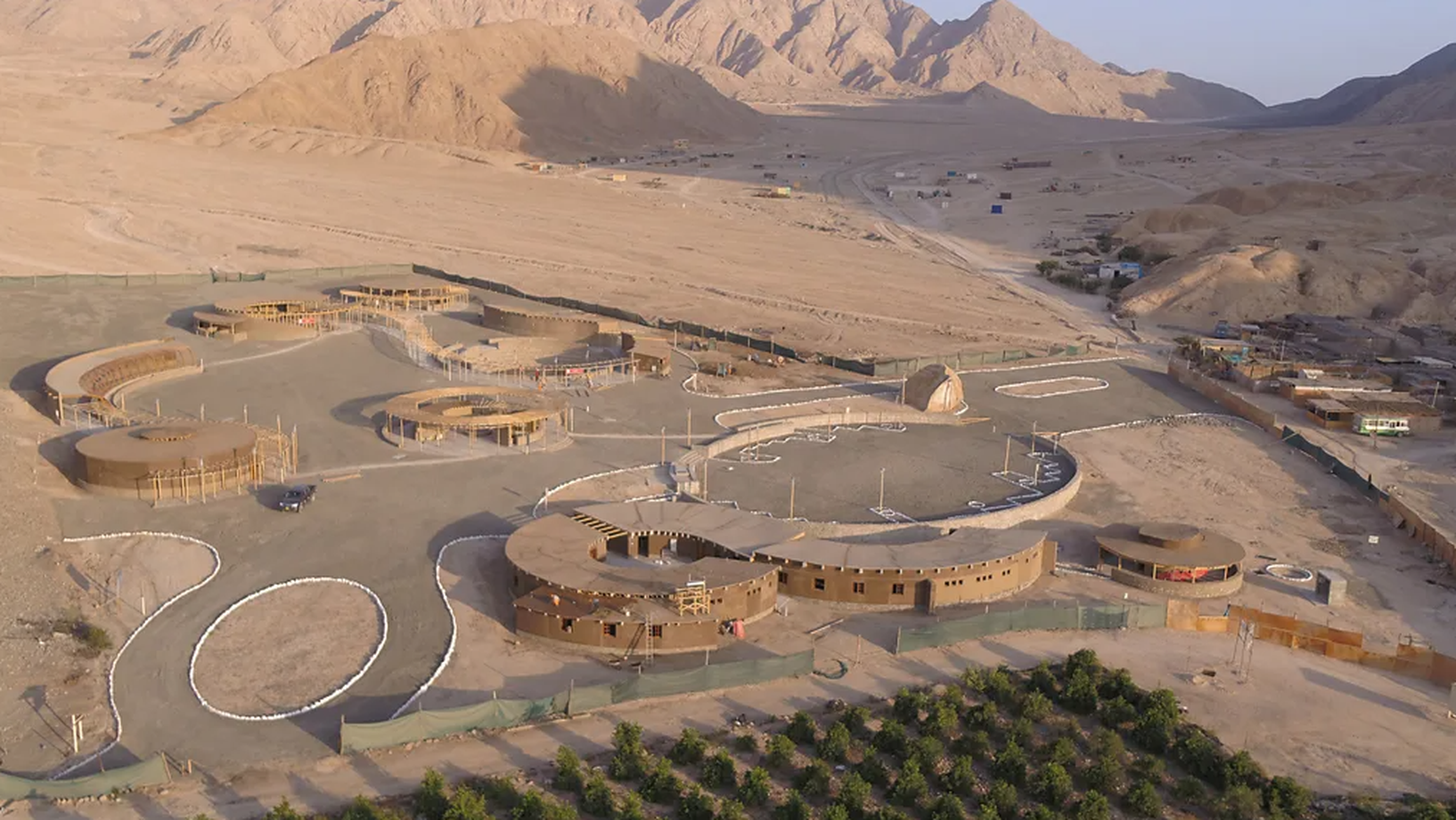
Built across the river from Caral, at 600 meters above sea level and only 10 km from Caral-Supe, Peñico shows how some of the Caral people adapted by moving closer to glacial water sources. Where the rivers had dried up, proximity to the mountain, where the ice melted, ensured survival.
What makes this remarkable is not just the relocation, but the way the society adapted. There is no evidence of warfare, weapons or fortified walls at Peñico, a rarity for the time.
Fragments of art or rituals have also been discovered.
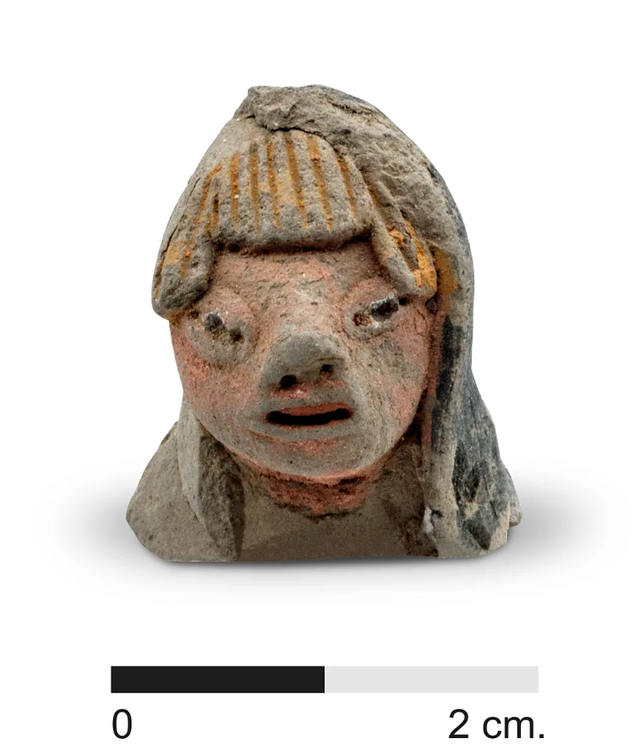
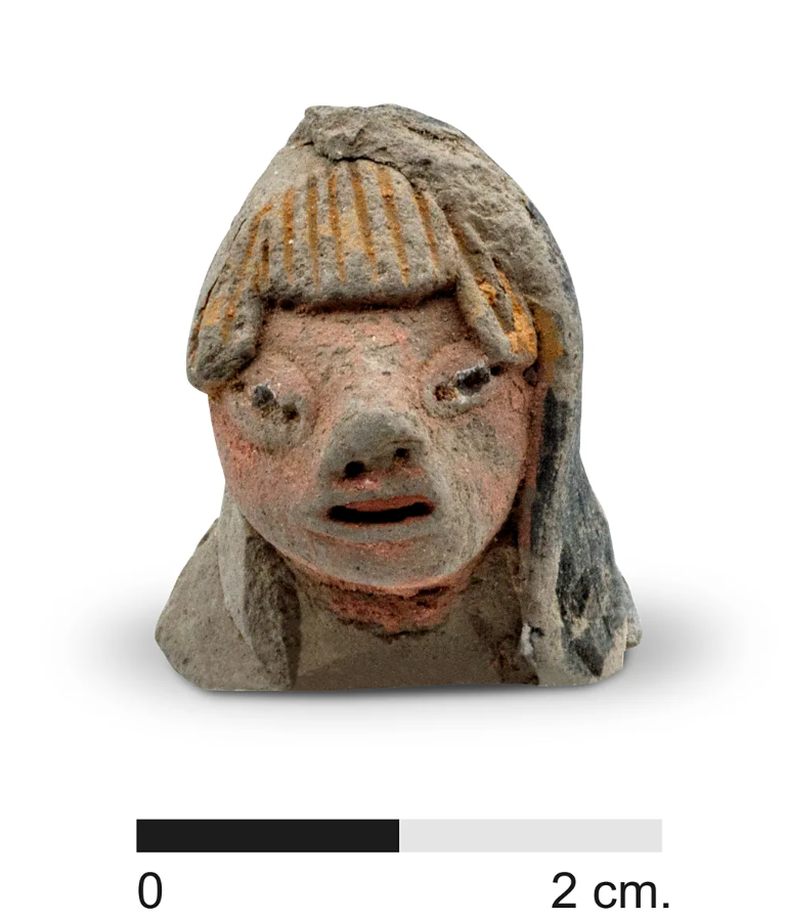
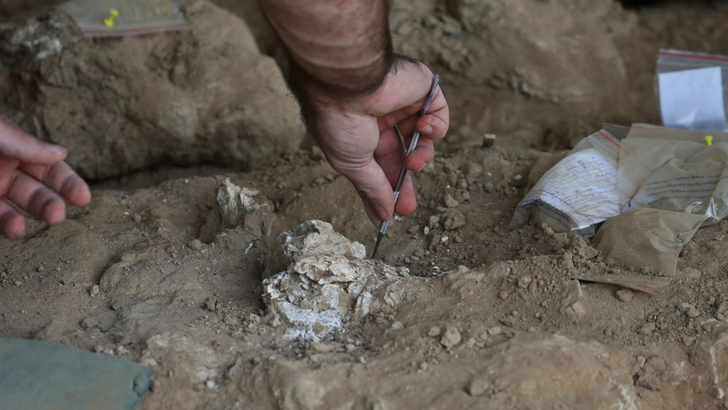
Shady's team has found sophisticated clay figurines, pearl pendants and carved bones, including one that looks like a human skull.
An impressive sculpture depicts the head of a woman with a unique hairstyle, her face painted with red hematite. These objects suggest that even with a small population, the community invested in cultural expression to maintain identity and cohesion.
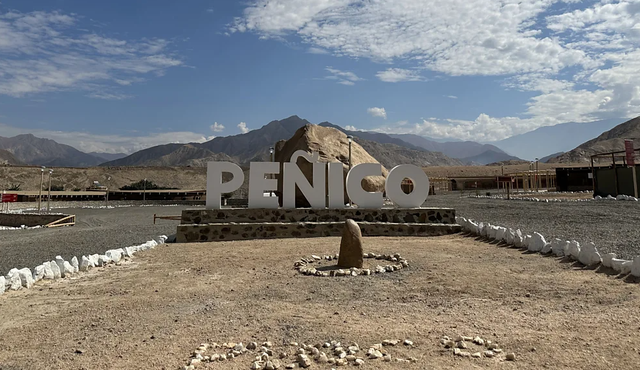
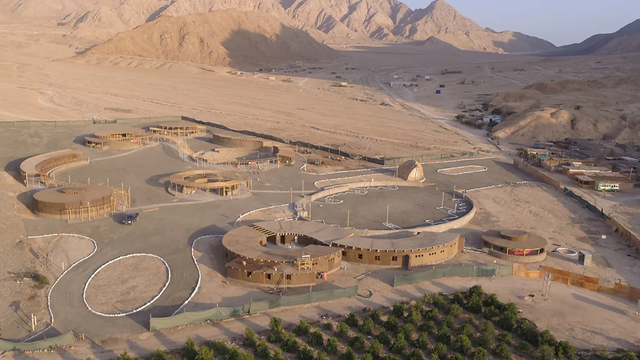
The site is now open to visitors who can explore the temples and residential complexes.
A new visitor center with exhibits has a circular design that reflects one of the most attractive features of Caral and Peñico, the circular central plazas. These plazas are located in parts of the cities that archaeologists theorize as administrative zones, evidence of a society that may have functioned on consensus, perhaps with a similar democratic structure to Greece some 2,000 years later.
Lessons from the past
Standing in the squares of Peñico, it is remarkable to think how an ancient society responded to the crisis with adaptation rather than violence. Their survival strategy, moving closer to water, maintaining trade exchanges, and maintaining art and rituals, is a 3,800-year-old reminder that cooperation creates survival even in times of extreme stress.
Today, Peru still relies on glaciers for its water supply, but has lost 56% of its tropical ice in the last 58 years.
“There are many things we need to do in the face of climate change,” Shady says of what he calls “lessons learned from Peñico.”
"We need to change the way we view life and the changes that are happening on our planet for human society to continue with a good quality of life and mutual respect."