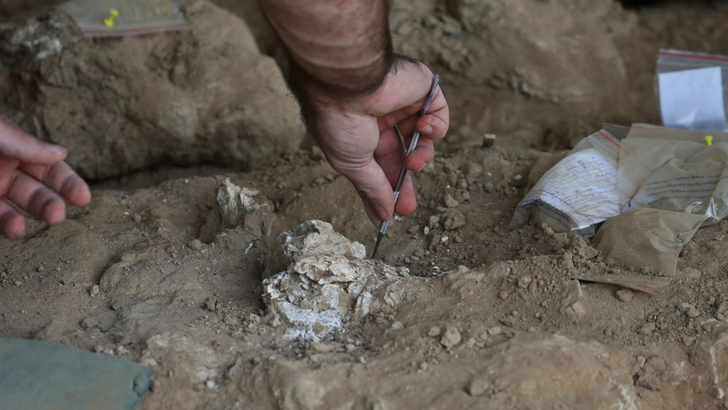
Is this police force professional and capable of handling violen...
/ 2026-10-16 18:54:07Focus


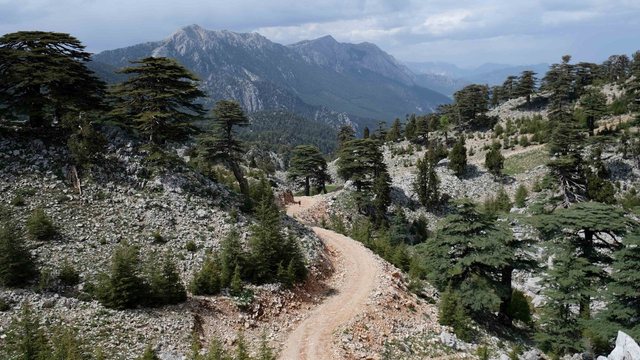
A 540-kilometer trail along Turkey's Mediterranean coast "leads" visitors in the footsteps of Lycia, an ancient maritime republic widely recognized as the first democratic union in history.
On a hot May afternoon, in the remote village of Simena on the Teke Peninsula, an old boat builder, Iskender, placed his beer bottle on the ground and asked me:
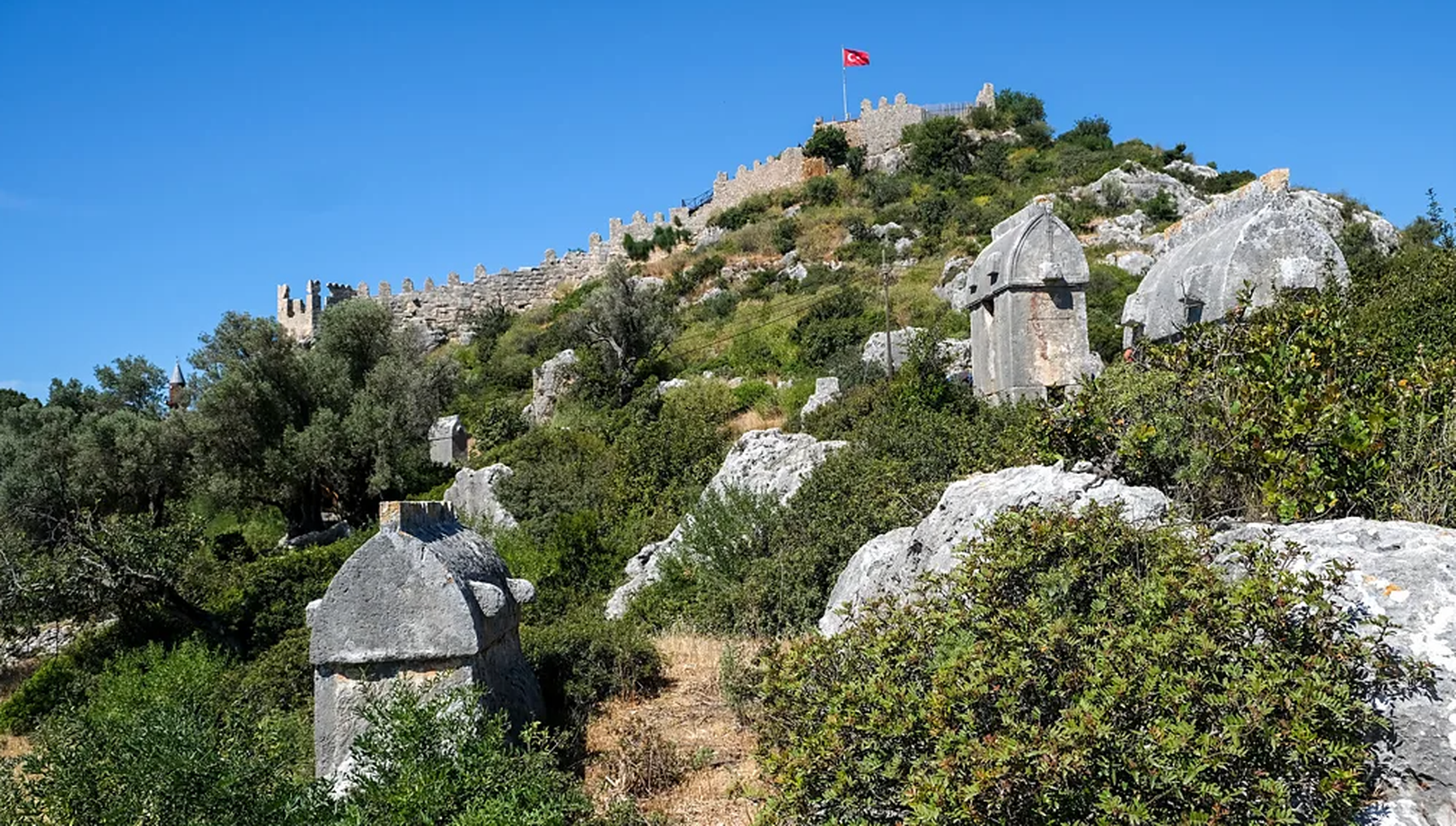
"Lycians? Who were they?" he said. "When we Turks came here, we saw only ruins and... what do you call them, places where the dead rest?"
“Tumba?” I suggested. He nodded.
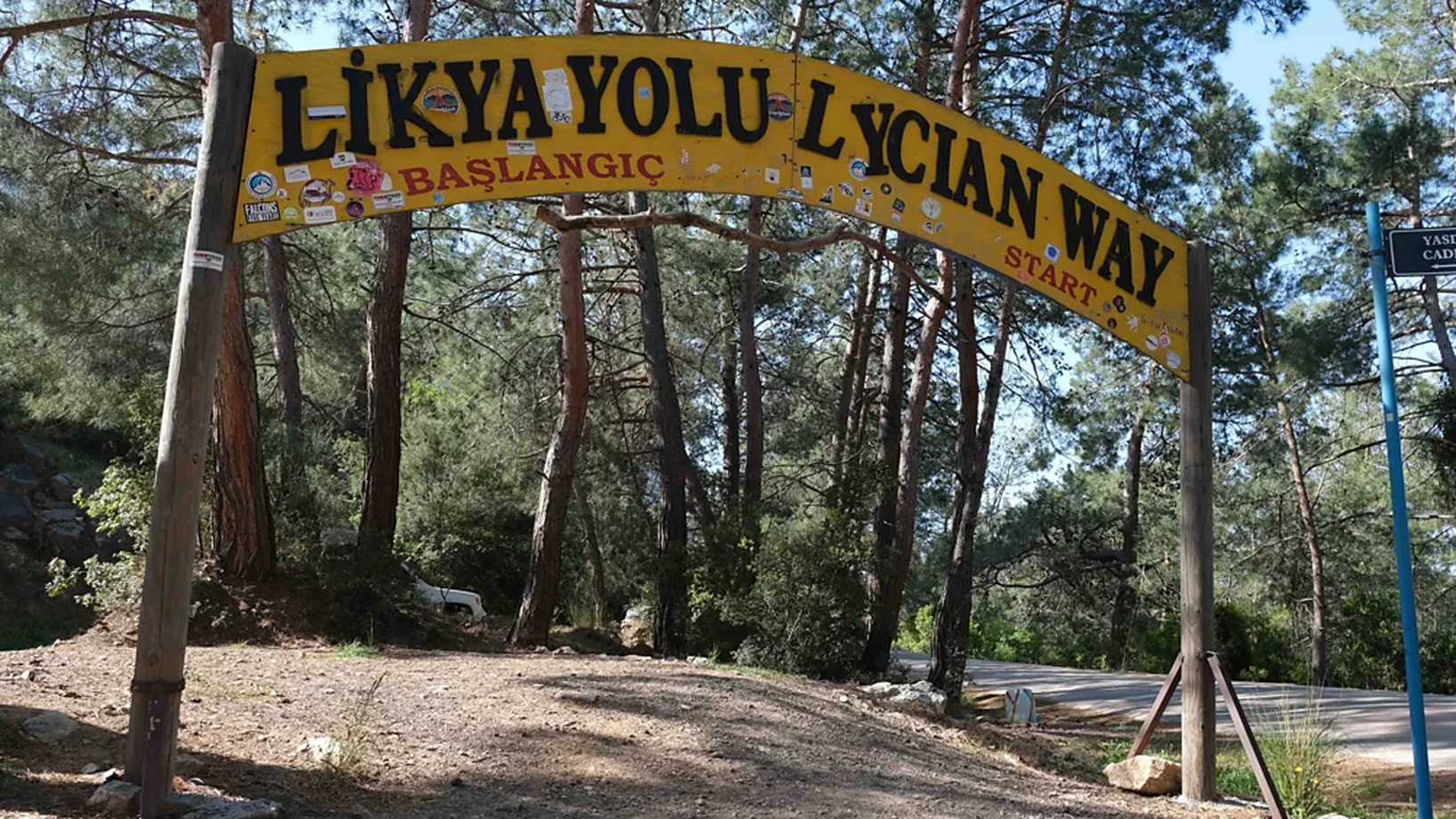
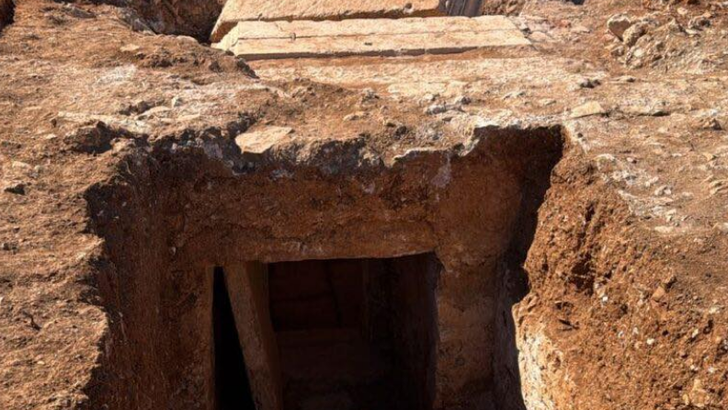
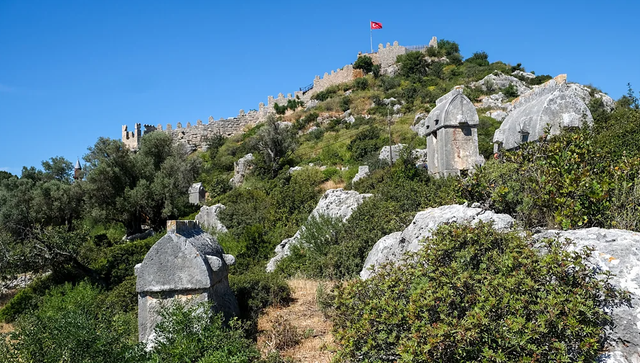
During two weeks on the Lycian Way, a 540 km route (or 760 km with secondary branches), connecting the cities of Fethiye and Antalya, traces of history appeared before me at every turn: ancient sarcophagi, forgotten necropolises, and an inexplicable feeling that the past here is not simply part of history, but part of the land.
The Lycians and their democratic heritage
Lycia, once a mountain stronghold of an independent seafaring people, is mentioned in the “Iliad” as the land of “the flowing river Xanthos.” The Greek historian Herodotus described their ancestors as coming from Crete, but modern scholars believe they were an indigenous Anatolian people who were Hellenized after the conquest by Alexander the Great in 333 BC.
Although their identity faded over time, their political influence remains alive. In June 1787, during the Constitutional Convention in Philadelphia, James Madison, who would become President of the United States, cited the Lycian League as an example of a union based on proportional representation, in contrast to the idea of numerical equality that dominated the confederations of the time.
The Lycian League, formed in the 2nd century BC, consisted of 23 city-states and is considered the first model of a democratic federation. Large cities had three votes in the Council, medium-sized ones had two, and smaller ones had one. Although they had no right to foreign policy, they elected a leader, the “Lycianarch,” as well as judges and administered common taxes.
Montesquieu described this system as “the most perfect constitution of antiquity.” According to Professor Anthony Keen of the University of Notre Dame, it was a unique fusion of Greek ideas about democracy with the traditional Lycian way of coexistence among independent city-states.
A legacy that walks with you
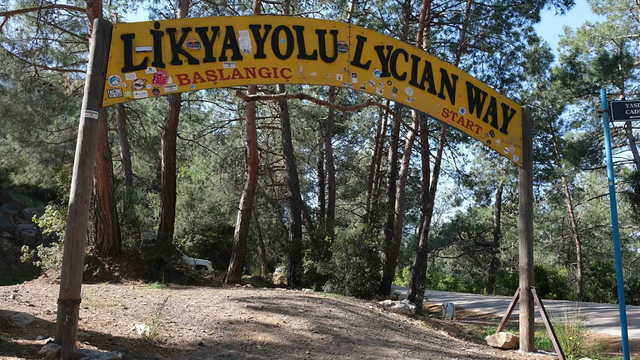
The Lycian Way, created in the 1990s by British researcher Kate Clow, follows the ancient roads that once connected Lycian cities. Clow has contributed to the preservation of this heritage and supports local cultural development, most recently, a building in the village of Sidyma was transformed into a cultural center by volunteers.
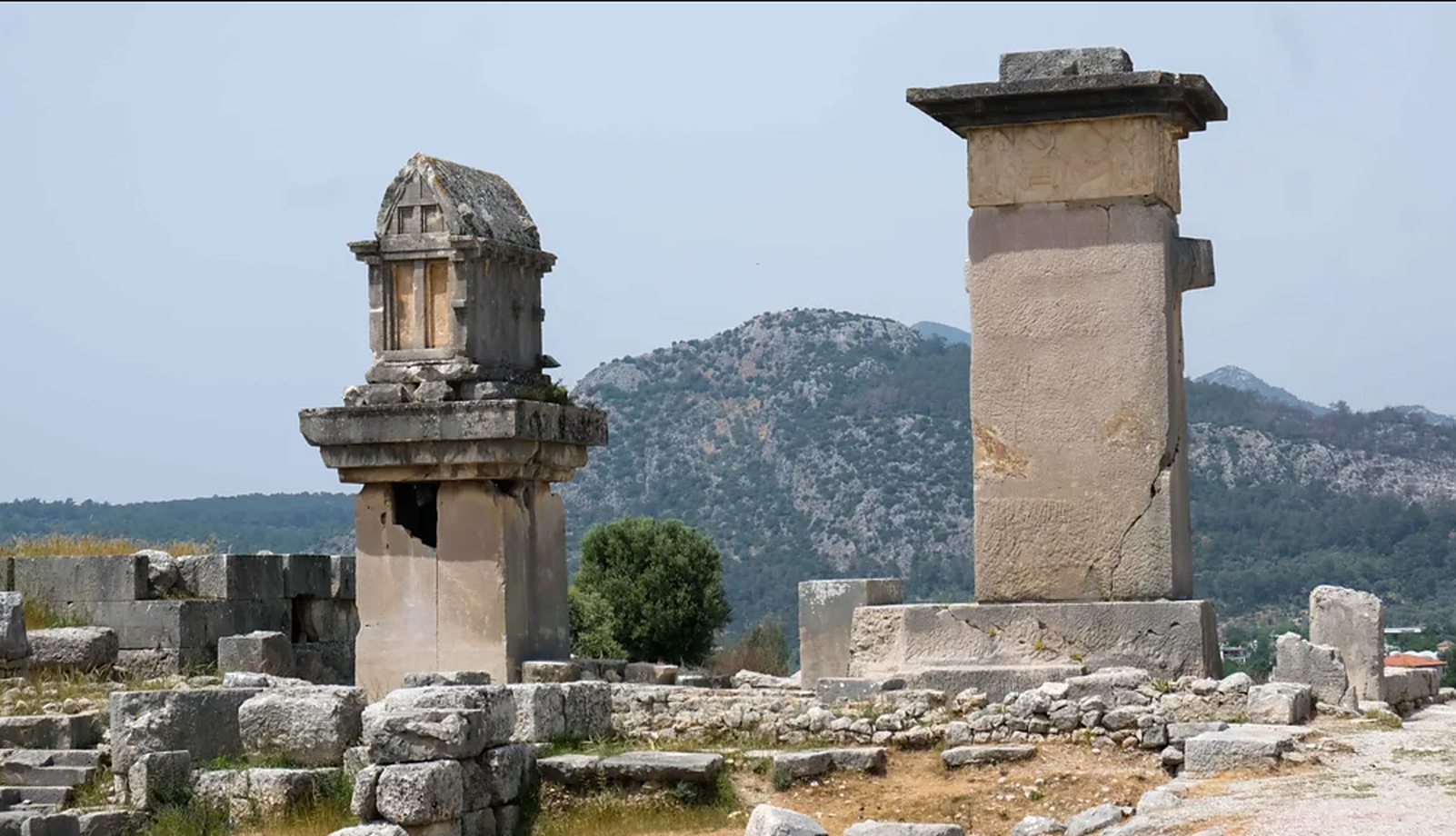
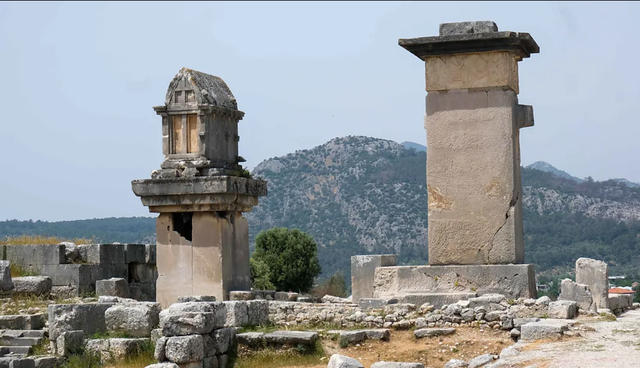
Along the way, the landscapes are intertwined with history: in Xanthos, the ancient capital of Lycia, two monumental tombs, the Tomb of the Harpies and the Lycian Obelisk, stand proud, although many of the sculptures and rich tombs were removed in the 19th century and are now in the British Museum.
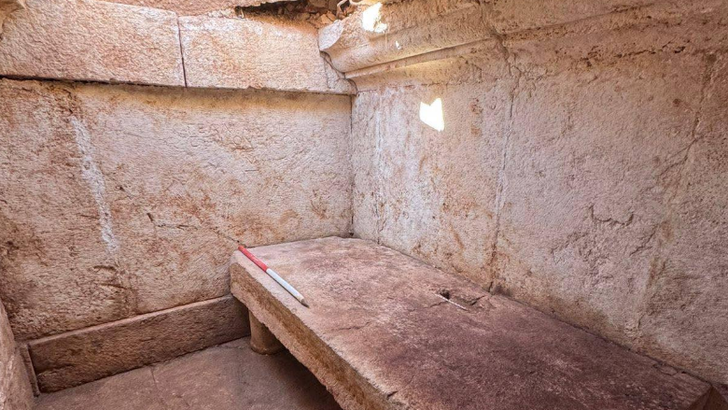
The most common form of tomb was the limestone sarcophagus, with a heavy roof-like lid. According to archaeologist Dr Catherine Draycott of Durham University, in these two-tiered tombs, the deceased was placed on top, while servants or family members were buried below, symbolizing the elevation of the important even after death.
From the ancient roots of the US, an idea that survived
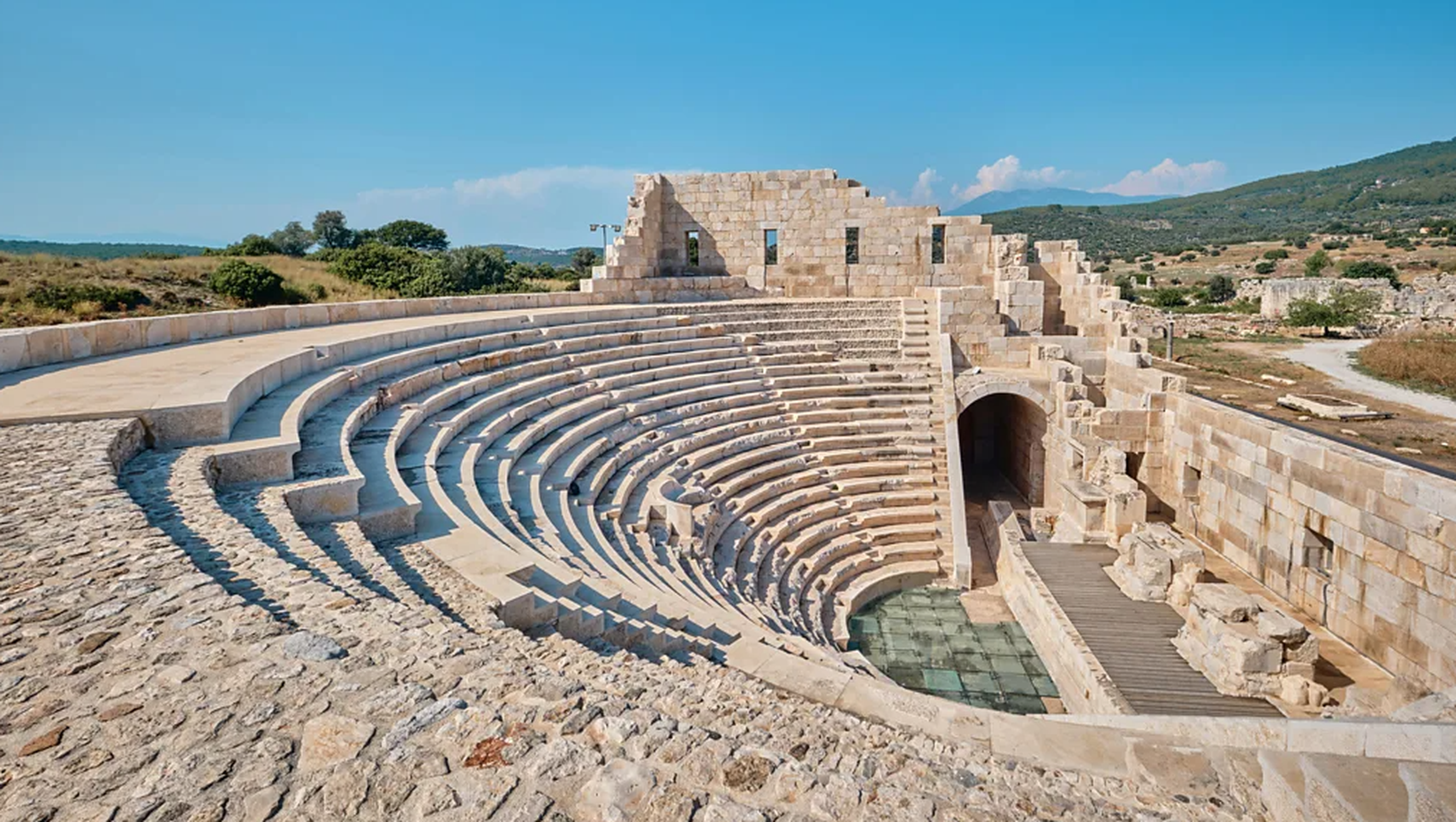
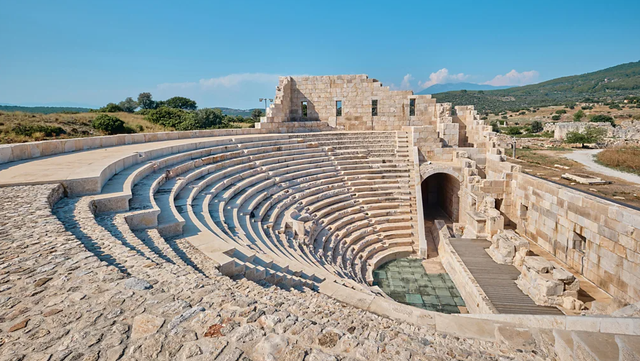
After the Roman conquest by Emperor Claudius in 43 AD, the Lycian cities began to decline. Patara, once the main port and center of the Lycian Council, is now a ruined city. But the Council building, recently restored, remains a vivid reminder of what was once a center of public debate.
Today, the Lycian League model lives symbolically in the United States, where the House of Representatives is assigned seats based on each state's population—a principle inspired by the ideal of proportional democracy that the Lycians practiced over two thousand years ago.
At the end of the day, as the sun sets over the Turkish coast and the wind plays with the branches of the pine trees, the memory of an ancient people becomes tangible, not through monuments, but through an idea that survived: the belief that the voice of citizens should weigh differently, depending on the size of their community. / BBC