Is this police force professional and capable of handling violen...
/ 2026-10-16 18:54:07Focus


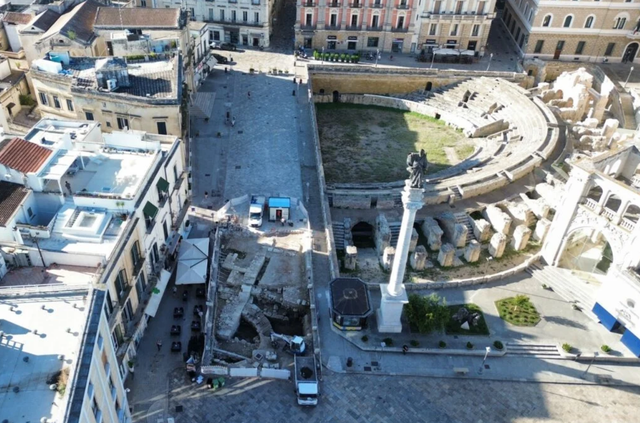
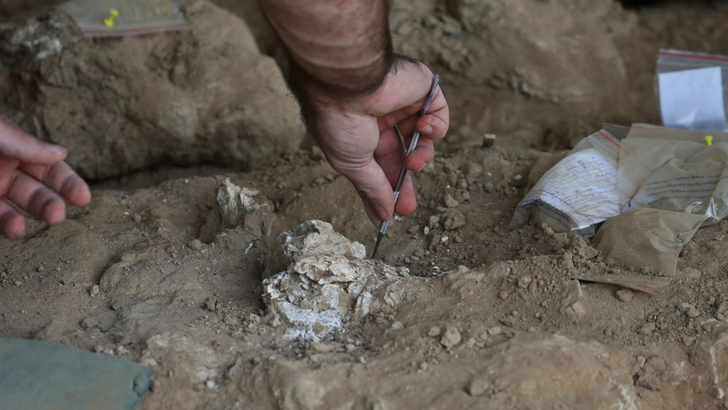
Urban archaeological excavations that have been underway since last June in the historic center of the city of Lecce, Italy, have uncovered new evidence of the city's history during the early Middle Ages.
Archaeologists hypothesize that this discovery, along with elements discovered in the last century, are part of a complex defensive structure built using the nearby amphitheater, considered by experts to be the most imposing building in Roman Lecce. During the early Middle Ages, the amphitheater would have served as a Byzantine fortress, a stronghold and the political center of the city.
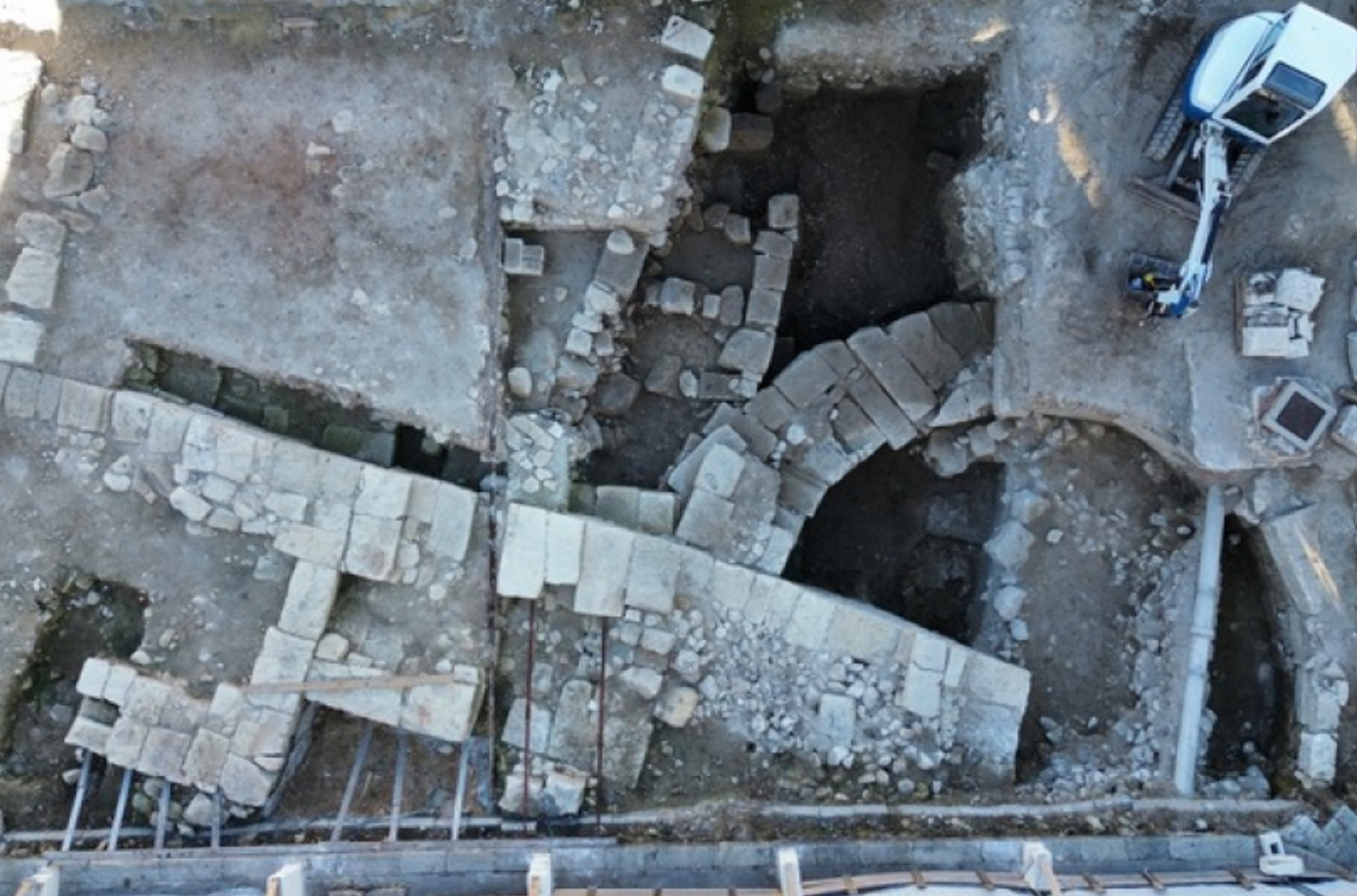
The excavation focused on an area between Piazza Sant'Oronzo and Via Alvino, where Roman artifacts had been unearthed the previous year, including part of a cavea, a ring wall, radial partitions, and three perimeter columns. As excavation continued, massive wall structures emerged adjacent to the amphitheater, outside the perimeter of the building, immediately to its north.
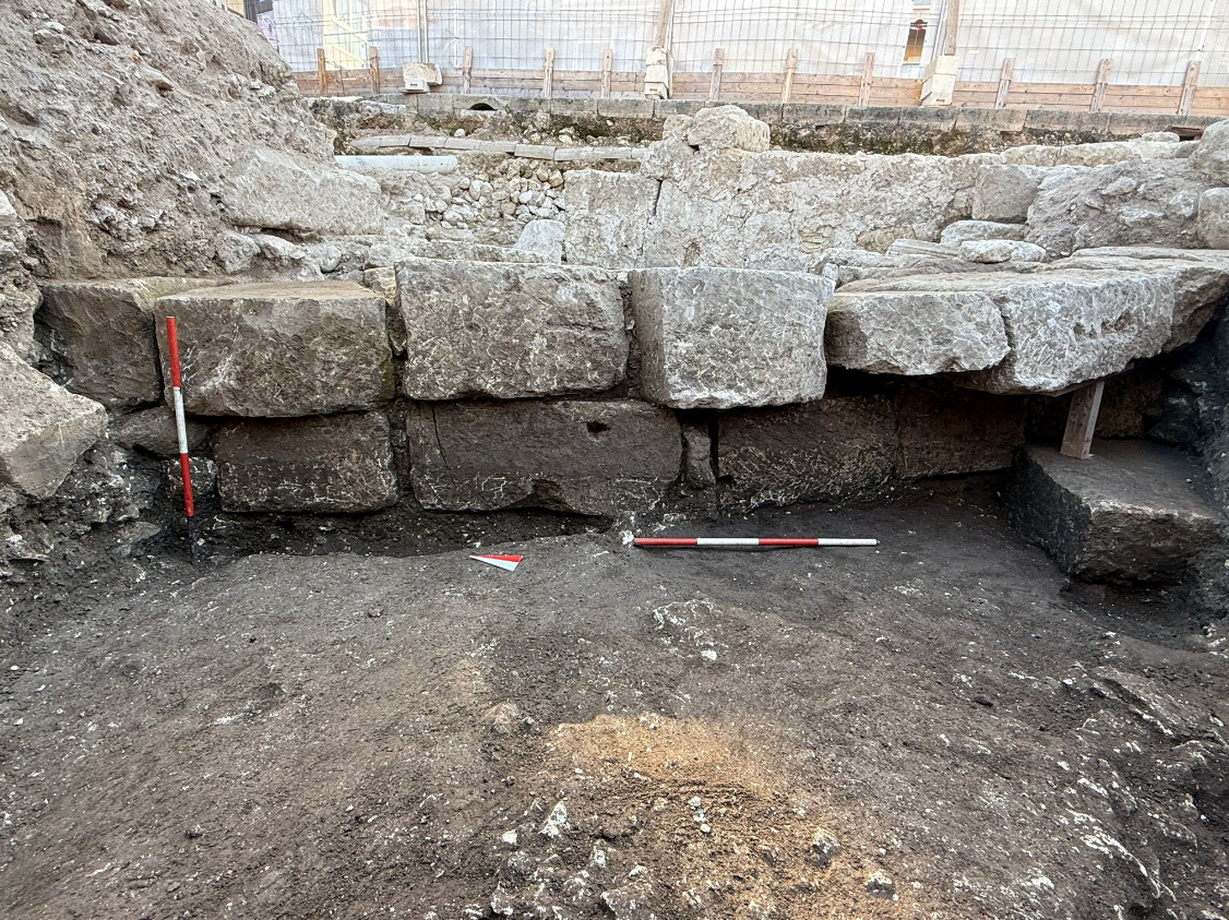
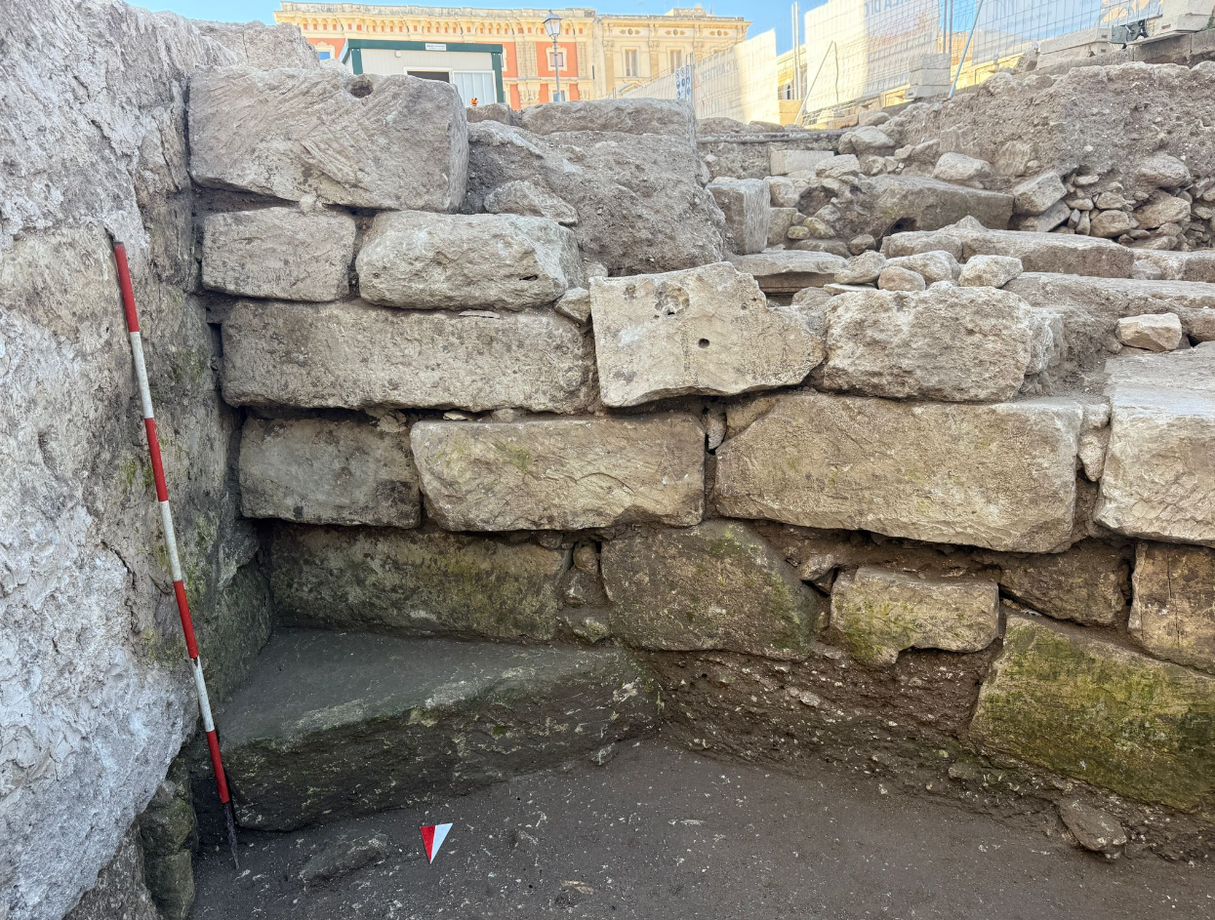
These structures were revealed to be part of an imposing fortification, built in two distinct phases, which utilized and apparently included the pre-existing Roman theater. The excavation revealed a massive wall, 3.7 meters wide and over two meters high in places, built using the "bag" technique, i.e., a fill composed of earth and stone fragments contained between two facades reused with large blocks from the dismantling of the nearby amphitheater and other existing monuments in the area.
The defensive system, built between the 5th and 6th centuries AD, was built in the 1st century AD. A particularly turbulent historical period from a political and military point of view, when the amphitheater had already lost its original function due to the progressive spread of Christianity and as a result of the decree of Honorius of the year 404 which prohibited gladiatorial games in the arenas.