Is this police force professional and capable of handling violen...
/ 2026-10-16 18:54:07Focus


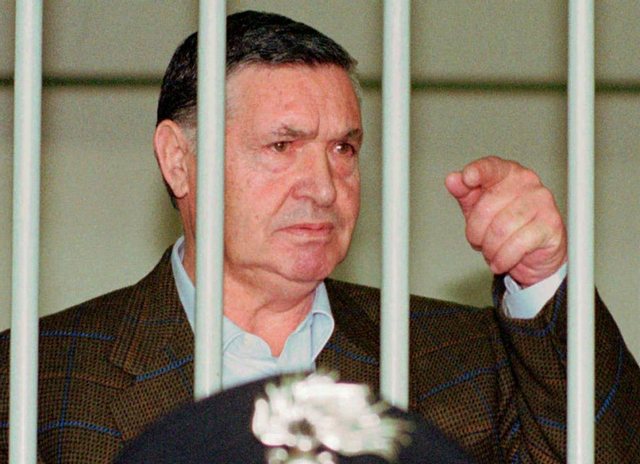
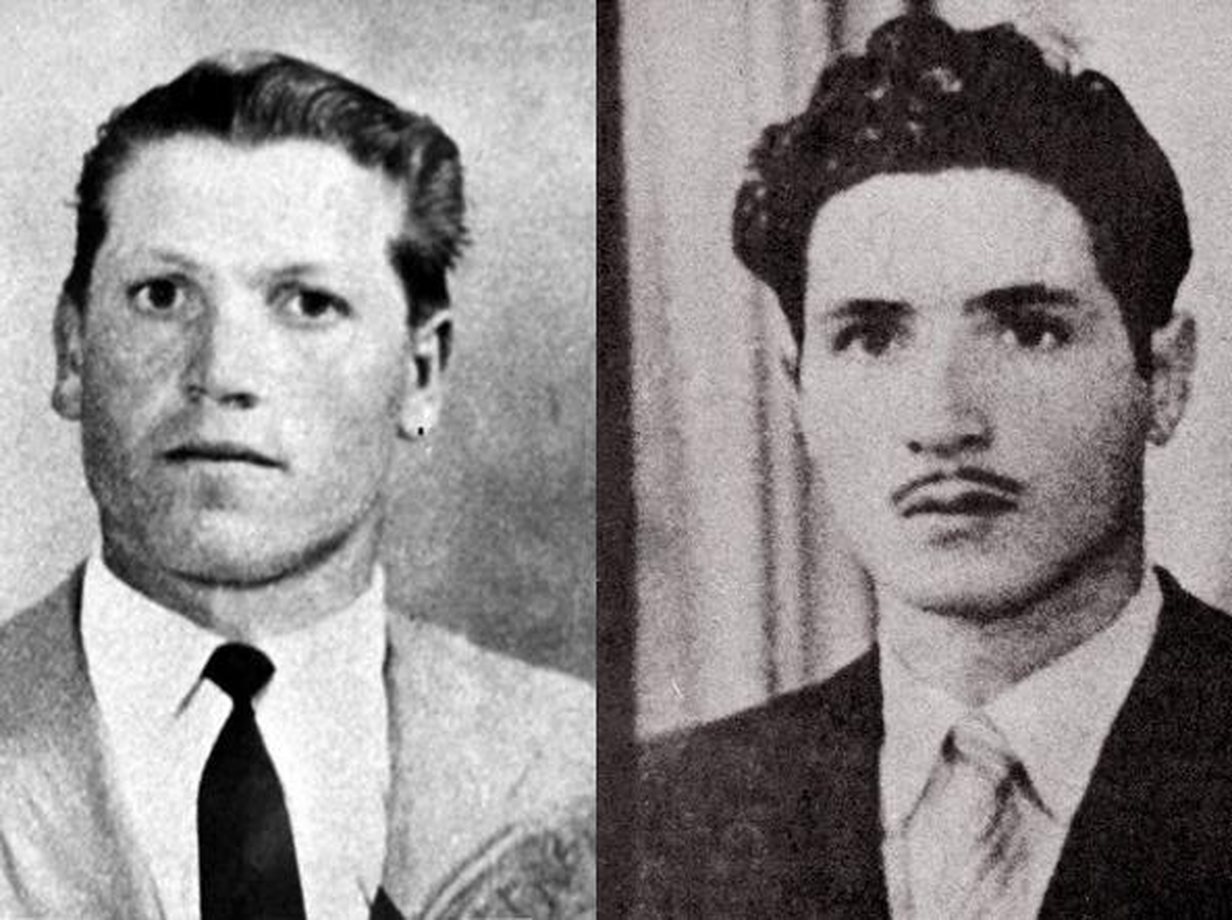
Salvatore Riina, known by everyone as "Totò", was born in the city of Corleone, near Palermo, on November 16, 1930. On November 17, 20017, at the age of 87, Toti Riina passed away in his cell.
He was the boss of the Sicilian mafia and became the most powerful capo that Italian history has ever known.
He got the nickname "The Beast" (La Belva) from his violent nature and the Short One (L curtu) from his short body. During his mafia career, he ordered the murder of hundreds of people.
“Do të duhen të kalojnë dhe 1000 vite që të lindi një tjetër Torro Riina. Kam bërë një gjë të madhe, jam bërë mbret”, kështu shprehej gjatë orës së ajrimit në burgun e Parmës bosi i mafies Cosa Nostra, Salvatore Riina në bisedat e tij me bosin e mafies pulieze Alberto Lorusso.
Dënimi i tij i parë i madh për të shërbyer iu dha në vitin 1949, kur ishte vetëm 19 vjeç, gjashtë vjet burg. Dënimi iu dha për shkak të vrasjes së një prej njerëzve të tij gjatë një zënke. Pas vdekjes së rivalit të tij, Riina u kthye në Corleone për të marrë një rol të rëndësishëm në shërbim të bosit Luciano Leggio. Në vitet e fundit klani Leggio u përplas me atë të Michele Navarra për dominim në vend, duke krijuar atë që më vonë do të quhet “lufta e Mafias”.
Toto Riina u arrestua përsëri në vitin 1963. Shërbeu disa vjet burg më pas u lirua pas dy gjyqeve kundër tij, të cilat u mbajtën respektivisht në Bari dhe Catanzaro. Gjatë kësaj periudhe u arrestua edhe Leggio, dhe Rinna zuri vendin e komandantit nga klani i korleonezëve.
Ai arriti të ngrinte sërish pushtetin ekonomik e financiar falë trafikut të drogës dhe tenderave në punimet e ndërtimit.
Pas pak kohe hoqi qafe bosin Stefano Bontate dhe mori të gjithë pushtetin në organizatën e Cosa Nostras. Urdhëroi disa vrasje dhe në këtë periudhë organizoi një fushatë agresive kundër shtetit.
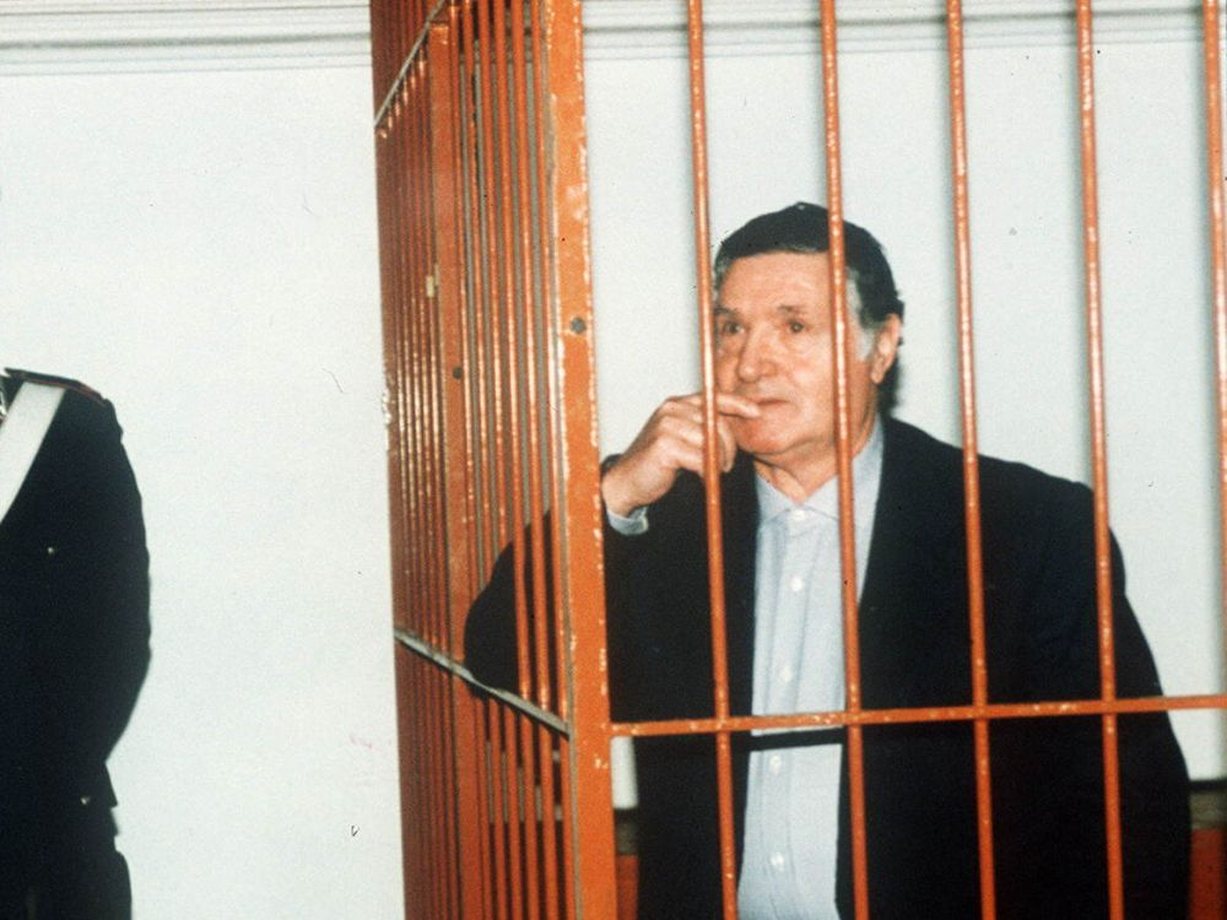
Më 15 janar 1993, Riina kapet nga Forcat Speciale të Karabinierëve. Arrestimi i tij u bë në qendër të Palermos, në kryqëzimin e parë të vilës së tij, ku Riina kishte kaluar 25 vite arrati.
Ai u mbyll në një burg të veçantë në Sardenjë, ku qëndroi deri në vitin 1997. Më vonë u transferua në burgun e Askolit ku futen personat që kanë kryer krime të rënda.
Më 12 mars 2001, atij iu hoq dënimi me izolim, duke lejuar mundësinë që të takonte dhe njerëz të tjerë, pra të priste vizita.
Më 17 nëntor 20017, në moshën 87-vjeçare Toti Riina ndërron jetë. I operuar dy herë në javët e fundit, ai ndodhej në gjendje kome në spitalin e Parmës.
Ai ishte i sëmurë prej vitesh dhe avokatët kishin kërkuar ulje të dënimit për arsye shëndetësore.
Rina ishte dënuar me 26 dënime të përjetshme për dhjetëra vrasje dhe sulme të përgjakshme, mes të cilave edhe atentatet në të cilat u vranë Xhovani Falkone dhe Paolo Borselino.
Arrestimi
Më 15 janar 1993 në Palermo u arrestua shefi historik i Cosa Nostras siçiliane, krimineli më i kërkuar në botë deri atëherë, Salvatore Riina. Ky i fundit është cilësuar edhe si mafiozi më i madh që ka pasur historia e mafias. Arrestimi i tij erdhi si rezultat i një hetimi të karabinierisë, Palermos dhe konkretisht i një skuadre speciale, në krye të të cilës ishte kapiteni Serxho De Kaprio, i mbiquajtur “Ultimo”, që do të finalizohej me kapjen e bosit të bosëve. Pas arrestimit të Riinas, falë punës së karabinierisë, Policisë dhe sidomos Prokurorisë së Palermos e Kaltanisetas do të bëhej e mundur identifikimi dhe kapja e të tjerë shefave mafiozë si Benedeto Santapaola, Leoluka Bagarela, Xhovani Bruska, Pietro Alieri, Salvatore Kancemi, Antonino Xhufre, Rafaele Ganci, Bernardo Provencano, Salvatore Lo Pikolo, etj.
Rruga drejt mafias
There are still mysteries surrounding the life of Salvatore Riina and his family. Many films have been made about his life and activities, the most prominent being the series "Il capo dei capi".
Riina was born in the village of Corleone in 1930, and his activity as an "honorable man" began one summer day in 1958, when, near his village, Luciano Lixho, massacred the director of the hospital, doctor Mikele Navarra, with machine gun bullets. who was the boss of the mafia in the country. Next to Lixho, they also shot a group of young people, among whom was Salvatore Riina. Initially, Riina was the deputy of Lixho, the all-powerful boss of the Corleonese Mafia, who replaced Navarre. During this time he collaborated with Bernardo Provencano.
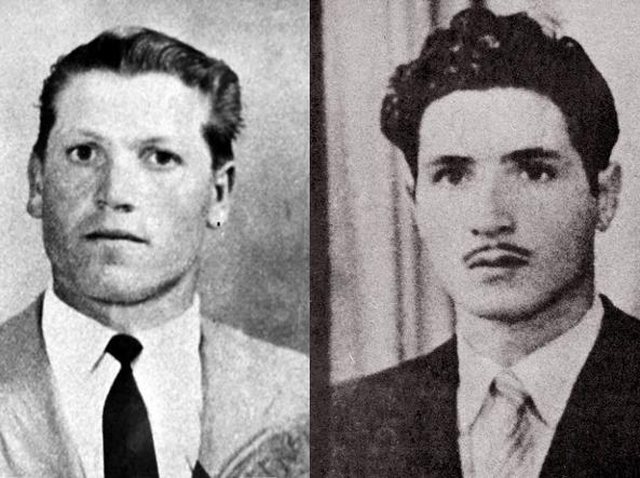
Salvatore Riina begins to become very powerful after the fall of the boss of the "Corleones", Luciano Lixho, who is arrested in May of l974. Don Toto's power, as some regretful people discover, reaches all the way to the USA, where in a few years, the Corleone boss manages to make alliances with some of the most powerful "families" of the American Cosa Nostra.
Prosecutor Xovani Falkone also spoke about Riina's power in his investigations. He does this after returning from a short trip to the USA, where he had gone to meet the New York prosecutor, Rudolf Zhuliani, and the Manhattan prosecutor, Ricard Martin.
"But the boss of Cosa Nostra was no longer Luciano Lixho, but Salvatore Riina. It is he who, from the place of escape, led the largest drug traffic in half of the world. And he is always the one behind every bloody event," wrote Falkone.
Ascent
Investigators explain the scale of Toto Riina's official ascent to the top of Cosa Nostra, which reached its peak in l981. It is the year of the start of the mafia families' war with each other for power. On one side is the "Corleonese" clan and on the other the bosses Gaetano Badalamenti, Stefano Bontade and Salvatore Inzerilo, who represented the Palermo mafia. In less than ten years, the chroniclers describe the scenes of a real madness, committed between the city and the province.
"It is a war of "families" facing interests. They are killed between them. After a few months, peace will come and everything will return to the way it was before. If it is fired at the moment, it is only a problem of alliances and division of territories. Upon reaching the agreement, everything will be forgotten," the investigators write. They seem optimistic.
They do not imagine that they will soon have to deal with the "Corleones", this group of mafiosi originating from Corleone, that the Palermo bosses will define as "villagers", that is, those who come from the countryside. The first to signal the war with the "Corleones" are Don Gaetano Badalamenti, the historical boss of Cinisi, Tomazo Busheta, of the Porta Nuova "family" and Stefano Bontade, who in Cosa Nostra was called the "Prince" of Villagrazia. It's the early 80s. The first to end up in the crosshairs of Toto Riina's killers is Stefano Bontade. It is the evening of April 23, 1981. Bontade is killed on the "Aloi" Street, a street that intersects with the "Regione Siciliana". Criminal police officers find Bontade's body inside his Alfa Romeo. The boss's face is disfigured by a large number of bullets. A 7.65 caliber pistol would have served him well, with the double magazine in his belt. "The murder of Stefano Bontade was certainly decided by the "Corleones", in cooperation with other people close to Bontade", said former boss Tomazo Busheta in l984, when he would start cooperation with the Palermo justice. Two life sentences are given for this murder, which would signal the beginning of the "war" between the Palermo and "Corleone" "families".
For this murder, Riina is sentenced to life imprisonment, while twenty-five other alleged accomplices of his, including the "Corleonese" Bernardo Provencano, are acquitted. But in the early 90s, the revelations of the penitents will arrive and the case of Bontade's murder will be reopened. The repentant Gaspare Mutolo and Xuzepe Marcheze will show details to the Palermo prosecutors, who clarify the details on the elimination of Stefano Bontade: "Stefano paid with his life for the project for a conspiracy against Riina". And Don Toto Riina was really sure that within a few years he would reach the top of Cosa Nostra. He would say in front of his colleagues that: "It is only a matter of time, it is enough to force some Palermo families to join us and what remains will be just a child's play".
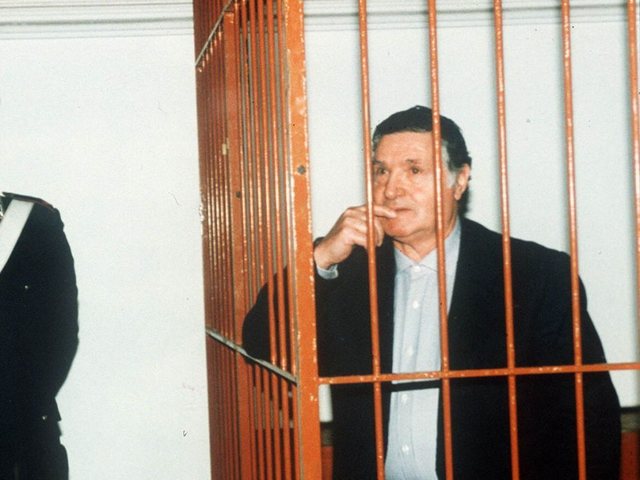
Visible murders
Riina's projects did not foresee only murder, or simply mafia execution. His objective was to kill visibly, to give signals, which leave no room for equivocation, so that everyone would understand.
For him, there could be no neutral "family": "If they are not with me, they are enemies", said the boss of the "Corleones", while imposing the death sentence on Stefano Bontade. The same end as Bontade, would have Salvatore Inzerilo, mafia boss of the Palermo neighborhood in "Passo di Rigano". Eighteen days after Bontade's murder, the well against Inzerilo would take place. It is May 11, 1981. It was a little past 12:20, when the voice of an anonymous man will inform the police that there is a corpse of a man on "Bruneleski" Street. When the agents of the homicide section of the criminal police arrive at the location specified by the mysterious caller, they will find the body of Salvatore Inzerilo. In his chest was a 357 Magnum revolver. The boss's face was unrecognizable, disfigured by bullets.
"And there are two", say the investigators. The police and the carabinieri put the two murders in a relationship and quickly realized that both Palermo bosses were killed by the "Corleones", because both murders were part of the same criminal project: the Bontade murder is read together with that of Inzerilo. They would be eliminated because "they are obstacles in the ascent of Riina". Even for the murder of Inzerilo, about thirty mobsters will be investigated and sent to trial, including the usual Toto Riina.
But the madness doesn't stop there. The repentant Mutolo will talk about the murder of his boss Rosario Ricobono of the Partanna-Mondello family and six other people. Mutolo tells the investigators that the group connected to Riçobono will first be strangled with a rope and then their bodies will be extinguished in acid. A forewarned murder of Rikobono.
Toto Riina would never have forgiven the decision to break away from the "Corleones".
Riina and Provencano had their eyes fixed on Palermo and on a large number of businesses from the Sicilian capital intertwined with the rest of the world, above all for drug trafficking, as well as the millions of dollars "combined" with the US, South America and Italy .
The same fate as Rikobono would await all other "disloyal" bosses.
Filipo Marquise, head of the "Corso dei Mille" family, Pino Greco, Mario Prestifilipo and Pietro Mesikati Vitale are massacred. But they are only a few of a large number of mafia people killed on the orders of don Toto Riina.
One of the last "honorable people" eliminated by order of don Toto Riina, would be Xovani Bontade, the brother of Stefano Bontade, who is destroyed together with his wife. It would really eliminate any obstacle don Toto Riina.
Where he couldn't do it himself, he "delegated" the man who, as prosecutor Xovani Tinebra says, was always on the same level as him: Bernardo Provencano, who with Riina had been Luciano Lixho's favorites. "Entrepreneurship kills you", headlined the front pages of Sicilian newspapers in the 70s. It is exactly like this, whoever opposed the system around which tens of billions revolved risked disappearing from circulation.
These are years of corruption, where hundreds of millions of money were circulated and laundered in seemingly legal activities. It is the repentant ones who explain to the Palermo magistrates what were the mechanisms used for awarding public undertakings. They also talk about the 15 percent rule, a fixed figure, a metaphor, that underlines the rule related to entrepreneurial activity. Basically, a system of bribery that for many years had kept the balance tight between corrupt politicians, businessmen and the top of Cosa Nostra headed by Toto Riina.
The boss of Cosa Nostra, would be the direct orderer of the killing of the people of the institutions that would hinder him in his criminal path, such as judge Gaetano Costa, prosecutors Roko Kinici, Giovanni Falcone, Paolo Borselino, police and carabinieri employees, general Carlo Alberto Dala Kieza, Emanuele Bazile, Nini Kasara, Boris Giuliano, Giuseppe Montana and many, many others.
The mysteries that took Toto Riina to the grave
The boss of the mafia group seems to have taken many secrets with him. All the mysteries behind a mafia strategy with which he fought the Italian state for years remained unsolved.
Toto Riina died without revealing the secrets behind the biggest crimes he ordered and admitted to organizing, which was revealed later in the wiretaps he was given in prison.
Behind these crimes is his mafia hand, Cosa Nostra's attack on the state. Even today, the executors of his orders wonder why he decided to kill General Larlo Alberto dela Kieza in 1982, before he could do any harm to his group. Why did he decide to kill Giovani Falkonen in a terrorist way and not, for example, in Rome, where he had sent a group of mobsters looking for him in the streets. Why did he kill Paolo Borselino only a short time later?
These mysteries that hide a mafia strategy, he took with him. Perhaps other mafia bosses or repentants will one day shed light on these mysteries.