How Belinda Balluku is fabricating the rumor about Top Channel's...
/ 2026-10-19 16:19:00Focus



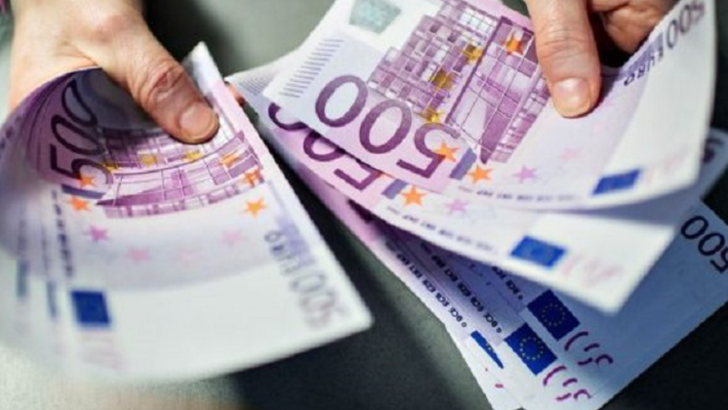
Bulgaria will become the 21st country to join the eurozone, with the plan to officially adopt the euro in early 2026. The country has passed a series of economic criteria and received approval from the European Central Bank (ECB) and the European Commission (EC).
"Today's report is a historic moment for Bulgaria, the eurozone and the European Union itself," said European Commissioner for the Economy, Valdis Dombrovskis.
"I would like to congratulate Bulgaria for the extraordinary commitment it has shown in making the necessary adjustments," said ECB Executive Board member Philip Lane.
Since joining the EU in 2007, Bulgaria has aimed to replace its national currency, the lev, with the euro. However, high inflation and political instability have hindered the process over the years.
Last year, due to rising prices following the energy crisis that followed the Russian invasion of Ukraine, entry into the eurozone was postponed.
The EC and ECB stated that Bulgaria now meets all economic criteria for admission to the eurozone, including inflation control, public debt levels, interest rates and exchange rate stability.
Only final approval from eurozone finance ministers is now awaited, with the decision expected to be made on July 8.
However, there has been no shortage of political tensions within the country.
Disinformation campaigns, both domestically and internationally, have fueled fear in some social groups, spreading narratives that adopting the euro will deepen poverty and fuel inflation.
Bulgarian President Rumen Radev proposed this month to hold a referendum on whether to adopt the euro, inciting Eurosceptic voices. The proposal was rejected by the pro-European majority in parliament, which accused Radev of acting in favor of Moscow.
Throughout the history of the eurozone's expansion, countries that have adopted the euro have experienced temporary increases in inflation. However, they have benefited from lower borrowing costs, increased foreign investment and easier cross-border trade.
Croatia was the last country to join the eurozone in 2023. With Bulgaria's accession, the eurozone will further expand its influence in the Western Balkans and Southeastern Europe.