Is this police force professional and capable of handling violen...
/ 2026-10-16 18:54:07Focus


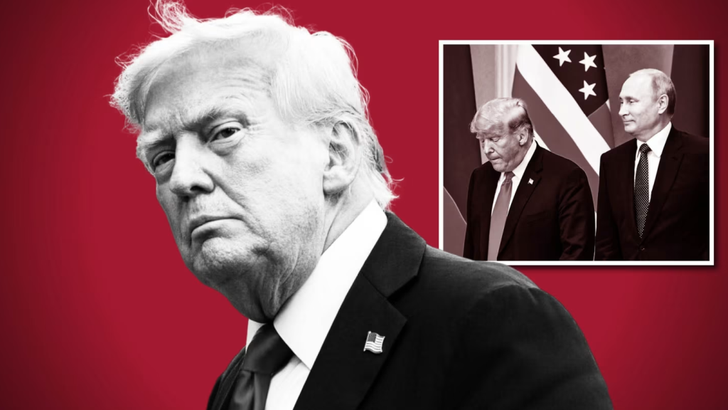
On Friday, amid the uncertainty that prevails in the West between the US, part of Europe and Ukraine itself, despite today's virtual meeting, the meeting between Trump and Putin will take place anyway. And it will be the first meeting between the US and Russian presidents since the start of the Ukraine-Russia conflict, which makes this "face-to-face" confrontation historic. In this semi-cold war situation, meetings between the leaders of the rival camps are historic. More or less like Nixon's visit to Mao's China, which changed US-China relations at the height of the Cold War, in the then successful American attempt to separate China from the Soviet Union. An effort that was worth it and of course yielded results. Today, in contrast, Trump's meeting with Putin is also seen as an attempt to separate Russia from expansionist China in the Far East. The chairs facing the US have changed, but not the goals.
But what is important is what this meeting can produce and why there is more reason to believe in it than to sabotage it. Now, after 3 years of war, neither side directly involved in the conflict, namely Ukraine and Russia, can win or lose this conflict. It is an almost paradoxical situation, which makes a peace agreement not only just but also reasonable. Just because this war has taken hundreds of thousands of innocent and guilty lives and has caused considerable economic damage on all sides, from Ukraine to Russia, and Europe to the USA! The only ones who have won are the Chinese who have bought oil and gas at low prices from Russia in need of liquidity. So a war that has no reason to continue, it is better to stop!
But this meeting is being held amidst normal Western democratic criticism. First, a significant part of Western leaders like Macron, Starmer and others think that an agreement that would recognize Russia part of the occupied territories would be unacceptable to them as it would legitimize the unprovoked invasion of Ukraine, in open violation of international law and the UN Charter. Forgetting, for example, that France or England themselves, not alone of course, have ignored international law in other cases, such as the Arab Spring, the matter comes in chronological order. Always under the justification of their national strategic interests. This is because the "order of international law" written with such passion by Immanuel Kant in "Perpetual Peace", remains a utopia anyway! In foreign policy, interests prevail and not dreams of perfect peace systems that are impossible. And this is just as true, as in the meantime Russia has violently ignored the UN and international law, i.e. the order established after World War II. And this is neither the first nor the last case since Vietnam to Korea, and from Afghanistan to the former Yugoslavia, that great powers exercise force before law. Well, in the end, what matters are the reasons that legitimize a war, not peace or war itself, they are simply means and not ends. Unfortunately, that is how it is! Therefore, this legalistic claim does not stand so firmly as long as history refutes it on occasion.
The second skepticism towards a US-Russia agreement has to do with the shyness of the same EU countries about encouraging Russia's appetite to attack other countries, if the agreement foresees any kind of territorial concessions to Ukraine. But even this distrustful opposition has a "medicine". An agreement that would release territories in Ukraine, if it were clear for immediate prohibition and for other Russian appetites in the Baltics or Moldova, is quite possible. And Trump has shown that he is not one of those presidents who jokes about "red lines". It is enough to remember his history with Iran or the 10 thousand ready forces installed during his first term, precisely in Poland. Or the successful pressure itself to increase the defense budgets of the European NATO countries, which constitutes a clear deterrent against Russia. And of course, the Russians are not naive enough to play with American fire.
Së treti, pretendimi se nuk mund të ketë marrëveshje pa pëlqimin e Ukrainës është edhe i drejtë por po aq i diskutueshëm për sa kohë nuk është e qartë se çfarë kanë parasysh ‘skeptikët” Macron & co me “pëlqim të Ukrainës”. Nëse bëhet fjalë për ushtrim të plotë të sovranitetit të Ukrainës në negociata, kjo është thjeshtë e pamundur. Sovraniteti është i lidhur pazgjidhshmërisht me fuqinë dhe pozitën e saj në këtë konflikt. Ukraina nuk po përballet e vetme në konfliktin me Rusine, por me mbështetjen miliardave, pajisjeve, logjistikës dhe inteligjencës kryesisht amerikane e më pak evropiane pas krahëve. E ka shkruar Tuqididi 23 shekuj më parë se “shtetet e mëdha bëjnë atë që duan, të voglat atë që duhet”. Ukraina ka qëlluar të jetë fatkeqësisht “I vogli mes dy të mëdhenjve” si përballë Rusisë e aq më tepër në takimin e Alaskës. Ndaj Trump si udheqës konservator, pra realist, e di se pikëpamja e Tuqididit në marrëdhëniet ndërkombëtare është parim themelor. E për këtë shkak është irrituar jo pak herë me Zelenskin. Amerikanët kanë një shprehje shume kuptimplotë në këto raste, “stand at your seat”, pra “rri ulur në karrigen tënde”. Skena absurde e Zelenskit në Shtëpinë e Bardhë që u soll si shef në zyrën e Trump ishte një gabim i madh që do ishte e udhës mos ti kthehet në ves edhe virtualisht në Alaskë. Për sa më lart, zërin kryesor në anën perëndimore të tryezës së takimit do e kenë SHBA. Kjo është pak, por e sigurtë!
Së katërti, mes palëve që janë refraktare ndaj një marrëveshje të mundshme dhe Rusisë, duket se qëndron dhe një keqkuptim i madh kulturor. Rusët për shkak të historisë së tyre që nga koha e Ivanit të Tmerrshëm, zgjerimin nga lindja në perëndim, e konsiderojnë si mbrojtjen më të mirë ndaj rreziqeve të jashtme. Rusët në subkoshiencën e tyre vuajnë prej shekujsh sindromën e të qënit një vend “i pushtueshëm gjeografikisht” për shkak të mungesës së barrierave gjeografike, për shkak të madhësisë së territorit dhe relievit fushor. Dhe në më shumë se në një rast ata janë ndjerë të kërcënuar nga mongolët në kohë të hershme, e më pas otomanët, japonezët, polakët, suedezët, francezët e gjermanët së fundmi në Luftën e Dytë Botërore. A ka lidhje zgjerimi i NATO-s dhe BE në Ukrainë me rrezikun real të cënimit të sovranitetit të Rusisë?! Dukshëm jo, të paktën nga pikëpamja perëndimore. Por çështja është se çfarë mendon lidershipi rus për këtë çështje! Ata i marrin vendimet nga pikëpamja e tyre dhe jo e francezëve, gjermanëve e anglezëve. Ndaj rusët kanë vetë-legjitimuar ndërhyrjen ushtarake në Ukrainë, dhe nga “ai vesh nuk dëgjojnë.” E në këtë kontekst deklaratat e shume liderave liberalë perëndimor për “fitore që do kurorëzohej me rrëzimin e regjimit të Putinit’, nuk e kanë ndihmuar konfliktin. Është e qartë se Rusia nuk ka qënë, nuk është dhe nuk do jetë kurrë një vend demokratik. Rusët adhurojnë kombin e jo individin me të drejtat e tij natyrore, politike e civile. Kështu ka qënë e kështu do të jetë. Ndaj pranimi nga administrate Trump e regjimit politik në Rusi si një fakt i pandryshueshëm, e jo një çështje që i përket amerikanëve, ka acaruar liberalët që ende besojnë tek globalizmi i varrosur nën rrënojat e Ukrainës dhe Gazës.
Së pesti dhe së fundmi, Trump përpara takimit rrëzoi edhe një tjetër akuzë të skeptikëve, të frymëzuar nga një narrativë idioteske e kundërshtarëve të tij brenda SHBA, se ai ishte i mpleksur me Rusinë. Dërgimi me shumë gjasë i mbushjeve bërthamore në Angli dhjetë ditë më parë dhe afrimi i dy nëndetëseve nukleare në ‘vende të duhura”, pas deklaratave agresive të Medvedev-it, tregojnë qartë se Presidenti Amerikan do paqe përmes forcës me Rusinë.
Së fundmi por ç’ka është shumë e rëndësishme mbase se pesë çështjet e mësipërme, takimi duhet parë dhe në optikën e oponionit publik në SHBA dhe sidomos Ukrainë. Sipas Gallup, 67% e ukrainasve nuk duan të luftojnë më por dëshirojnë një marrëveshje paqeje. Ndërsa amerikanët e diktuan me votë në zgjedhjet e fundit se investimi amerikan në konfliktin e Ukrainës është i paarsyeshëm. E meqë qeveritë demokratikë drejtojnë në emër të vullnetit popullor, marrëveshja e mundshme merr trajtën e “must be done”!
For all these reasons and more, the Alaska meeting would serve everyone involved in this conflict to come up with a draft peace agreement, where everyone keeps their place without being conditioned by peaceful paranoia, imaginary power and a war from which no one is winning. And now that Iran as an extended arm of China and Russia has been resized as a threat to the Middle East, the time has come for Europe to return to the lost peace as of 2022. And of course, this would mean that the efforts for a new world order proclaimed by China and Russia would be postponed indefinitely. And in the meantime, until then, perhaps Russia will not be on the wrong side of history.