Is this police force professional and capable of handling violen...
/ 2026-10-16 18:54:07Focus


The War Crimes Tribunal for the Former Yugoslavia, which was established in 1993, when smoke was still rising from burning houses in Bosnia, began investigations and arrests at a speed that, by international standards, was called a blitzkrieg.
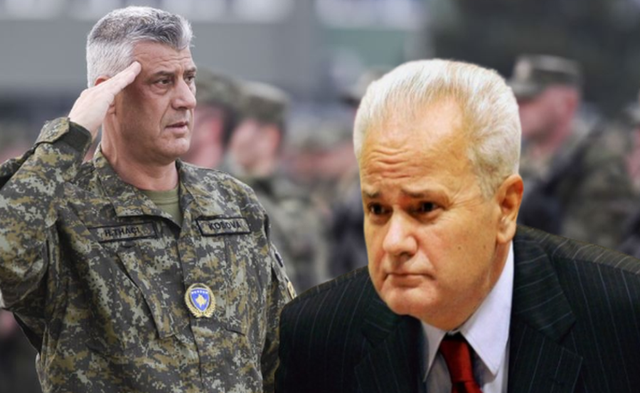
Slobodan Milosevic, president of Serbia, nicknamed the "Butcher of the Balkans", was arrested in 2001, the indictment was filed very quickly, and the trial began in 2002, just a year after his arrest.
Now we return to the Hague in Kosovo. It took more than a decade to set up a trial chamber and, even after the arrest of former KLA leaders in 2020, we are in the fifth year of waiting, with a process moving at the speed of a turtle.
At the Tribunal for Yugoslavia, heads of state, generals and architects of ethnic cleansing were tried for war crimes. In the Kosovo Special, it took us five years to verify whether a local commander was aware of the chain of command. And we are talking about the KLA, a self-defense movement against armed violence, and its leader Hashim Thaçi, described by former US President Joe Biden as the George Washington of Kosovo.
So, a tribunal tried those responsible for mass massacres in less time than this Hague chamber, which seems to have forgotten about the defendants in prison. At this rate, the sentences will end before the process is over.