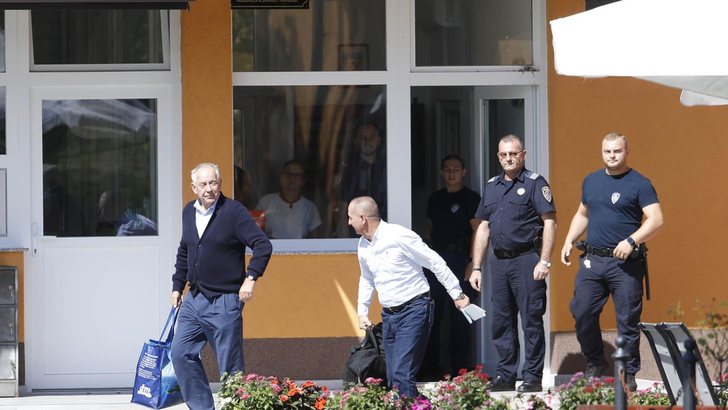
Is this police force professional and capable of handling violen...
/ 2026-10-16 18:54:07Focus


By Adrian Thano
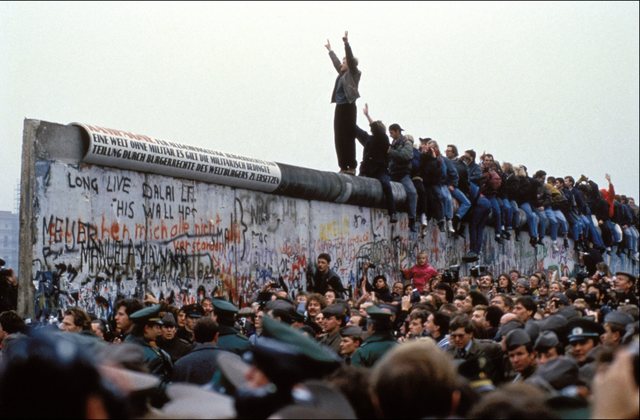
Today is "August 13th of the Berlin Wall".
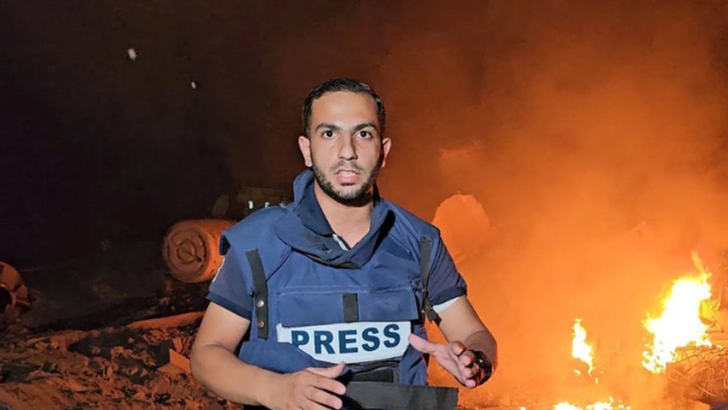
"We're better off 500 times with Enver Hoxha. Get up, my friend, get up. He was showing them the coffin. We were comfortable. We had roads, hospitals, but now people are dying on the streets. It's better for the dead to gather us here, where we're left. Is that okay, friend...?" - a resident of a remote village tells the journalist in a video that has gone viral on social networks.
The man in this video was told 34 years ago that freedom is sacred. They promised him that if he would give up the dictator, the irons of the authoritarian system, he would enjoy democracy, prosperity, and human dignity.
They gave him a key without a door. A promise without content. Three and a half decades after the fall of the communist regime, his country still wanders in the anteroom of Europe like an unwanted child.
Because democracy in itself is not a solution. It is only a tool. Dependent on culture, on the degree of emancipation, on the level of justice and institutions. Without these, democracy becomes a beautiful deception to legalize theft and extortion.
Peoples are stripped of their dictators to fall into the lap of a cunning elite of scoundrels, who do not crush them with tanks, but destroy them with emigration, cynicism, disappointment, and exclusion. If some societies are not ready to be free – not because they do not want freedom, but because they do not yet have the structures to cope with it – what is the greater crime: imposing a false democracy on them, or an evil dictatorship?
Maybe, just maybe, it's time to stop talking about "democracy or dictatorship," the two words our trench-wielding tricksters love so much. Let's talk about human dignity, real equality, and just order. Without them, any system, no matter what name we give it, is a farce.
The most poignant paradox of today's "freedom" is that they say: speak freely. But the consequences come silently, invisibly, insidiously, from a network of "not dictatorship", but equally effective, of punishment and isolation.
In a dictatorship, you knew: there are things that shouldn't be said. It was written, it was law. We called it censorship. It was violent, but direct. The boundaries were visible. Today, the boundaries are invisible, slippery, set by a system where control comes through economic dependence, clientelism, controlled public opinion, and the fear of being left alone. The dictatorship punished you, but it didn't lie to you.
Isn't it more honest to know your limits and challenge them with courage, than to be lied to with "freedom"?
Here's a simple question: Why doesn't any MP dare to criticize the party leader today, even when he kills and brags about the murder? When this captain with a huge salary, privileges, and high public status can't do it, how will an unemployed person do it? An administration employee who lives in fear of being fired? A journalist without a contract? An activist without support?
When a majority does not have the courage to kill the autocracy in government, how can it ask the people not to vote for a murderer? An opposition that does not have the courage to kill the autocracy within itself, how can it ask the people to kill the dictatorship it has on its shoulders?
When the "political elite" who has it all speaks with a grain of salt, how can the people be asked not to be afraid? When the "money elite" who has it all sells their souls and dignity, how can the poor be asked not to sell their votes?
In this climate, censorship no longer needs laws: people self-shut. Self-deafen. Self-hide. The reward goes to hypocrisy, not courage. When freedom becomes a trap, and speech turns into an invisible danger, we are no longer free — we are only more subjugated.
And perhaps, more manipulated than ever before.
Published in Dita