Is this police force professional and capable of handling violen...
/ 2026-10-16 18:54:07Focus


By Adrian Thano
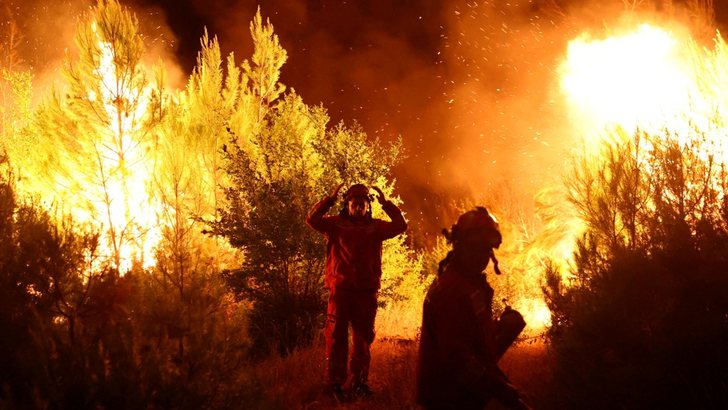
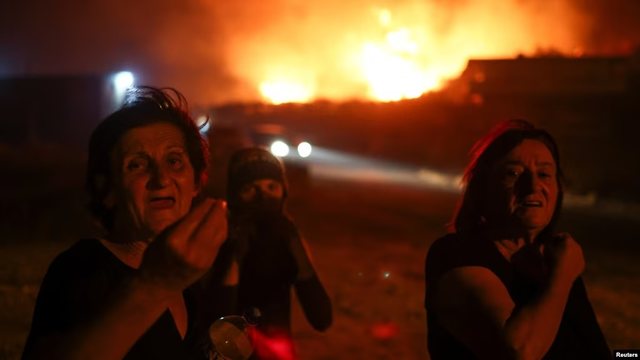
In the hills that were once green, ash reigns. Where a few days ago life was bustling, where families sat in the courtyards of houses with the smell of oregano and wild plum, today there are only burnt ruins and silence.
In Delvina – this summer's fires didn't just burn trees and wild animals. They burned dreams, shelter, lives.
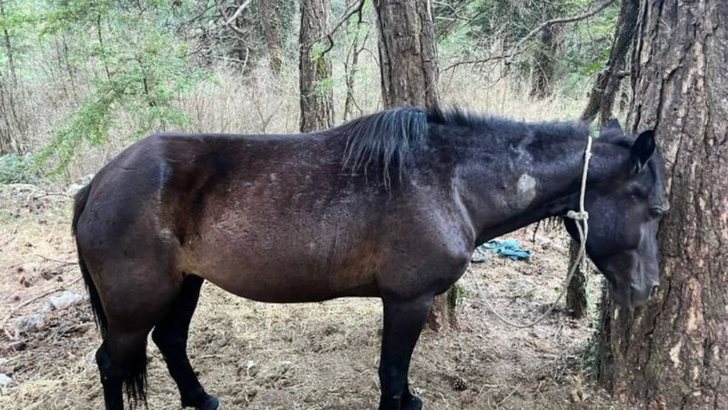
Someone had 120 heads of cattle. There are none left. They were burned in the mountains along with the grass, the forest, and hope.
An elderly mother, today sleeping in a cattle shed. The house is a few meters away. "Don't worry about me, just make sure the boys are okay." Her eyes look out over the ruins.
But the tragedy is not only natural – it is human and systemic. It cannot be extinguished with tears. Albania is burning worse and deeper every year because we are a country that pursues fires, not prevents them. Dozens of municipalities do not have a forest management plan, while a good part of the firefighting equipment is old, non-functional, or simply unsuitable for rugged mountainous terrain.
Today, the fires continue to spread with the wind. Tomorrow, when the fire has burned as much as it can and stopped, press releases will be distributed in the media with the reassuring phrase "the situation is under control." But the question is: Whose control? Not the fire's. Not the disaster's.
It is tragic that a country like Albania, exposed every summer to extreme fire risks, does not yet have a sufficient fleet of modern fire engines, nor helicopters dedicated to emergency aerial interventions.
When smoke rises over forests, villages, and even entire neighborhoods, the state is always late. The answers are the well-known ones: "we don't have the means, we don't have the logistics."
But at the same time, on our streets we see luxury cars of politicians, moving with escorts as if they are under threat of war. Cars with blacked-out windows, "full options" and sirens of arrogance are proof of a state that has decided to protect the comfort and image of the ruling caste more than the lives and property of its citizens.
What do they prove? That they are untouchable? Or that they are more important than the dozens of families who are sleeping on the streets today because their houses have been reduced to ashes? Instead of a helicopter to put out the fire, we have another one to land some strongman in luxury resorts by the sea. This is not only irresponsible – it is a blatant insult to human pain.
What needs to change?
First, prevention, not just reaction. It is no longer enough to wait for the fire season to react. We need a permanent strategy, with dedicated funds and concrete responsibilities for every municipality and institution.
This requires specialized capacities. Albania urgently needs new equipment, firefighters trained for mountainous terrain, monitoring technology, and helicopters that can extinguish fires from the air. We cannot be a nation that asks for help every August.
A tough law and strict enforcement for every arsonist, with real punishment – not just moral – is also necessary.
Another thing I see with pain while living in one of the areas at risk from fires these days is the lack of organization, the lack of community involvement.
The lack of a sense of public ownership and indifference to the common are among the most serious wounds that today's Albania inherits. For many, "care for the common" is seen as a relic of the communist era. Voluntary organization to protect the forest, river, mountain or beach is perceived with suspicion, sometimes even with contempt - as something "old", "collectivist", that "no longer belongs to us".
But the irony is painful: while the young rich are "liking" the environment and challenging each other with photos of burning bushes on Instagram, in reality, people don't even open the door for the firefighter trying to save a hill from the flames — because "they're not going to get into the brother-in-law's goats."
This is not just a cultural problem, but a major national alarm. In a society where everything is perceived as “mine or nothing,” there is no room for collective responsibility. And consequently, there is no hope for long-term protection against disasters like fires. We each remain in our huts, waiting for someone else to put out the fire — or to save only our property while the rest burns.
This is the greatest fire: not the one that burns forests, but the one that burns conscience.
Fires are not just natural phenomena – they are the result of a society that does not care about its roots. When we burn forests, we burn our heritage, our children, our future. When we let each other's homes burn, we have also burned our human spirit.
This is an appeal, not only to the state, but to all of us: we cannot continue to live in a place where, every summer, the sky turns red from flames and the soul blacker from pain.
If this is not the time to change, then when?
Published in DITA