"Condemned" protesters?! Who trapped Rama inside the Prime Minis...
/ 2026-10-23 16:02:00Focus


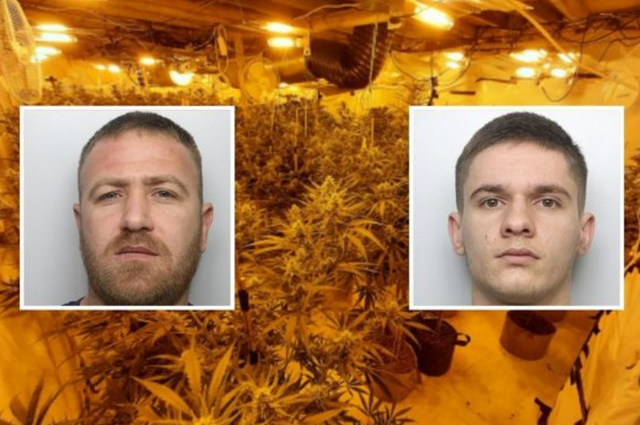
An "epidemic" of cannabis farms has caused an increase in the number of Albanians in prison, according to an investigation carried out by the British newspaper The Telegraph.
More than 100 illegal Albanian immigrants have been sentenced to more than 300 years in prison in just three months after being recruited by organized crime gangs to serve the rapidly growing number of cannabis farms.
Three-quarters (77) of the 101 Albanians jailed between August and October this year were convicted of offenses related to the production of cannabis on farms across England and Wales run by organized gangs, according to an analysis of the cases by The Telegraph.
The number of punishments is four times the normal norm for Albanians.
Many of the illegal immigrants were recruited by the gangs after the British government's crackdown on black labor made it difficult for them to find work.
The government has tripled fines for employers who hire illegal immigrants to up to £60,000 per worker, a fine that could put anyone who tries to hire outside the rules out of business.
A police operation targeting cannabis farms this summer ended with the seizure of up to 130 million pounds of cannabis plants and the arrest of almost 1,000 people. More than 180,000 plants have been discovered from raids in England and Wales.
Operation Mille targeted illicit crops which police believe are a major source of money for organized crime gangs who are also involved in other offenses such as money laundering, Class A drug smuggling and violence.
In the past five years, Albanian gangs have cornered the cannabis cultivation market, usurping the Vietnamese by importing their hydroponic expertise in growing Albanian plants to the UK and using illegal immigrants as "gardeners".
The number of Albanians crossing the Channel in 2022 in small boats rose to 12,301 from 800 in 2021, more than a quarter of the 45,755 total arrivals.
Among the prisoners this summer was Nard Nidri, 34, who entered the UK illegally last summer, took refuge in Birmingham and then moved to Swansea where he worked in a car wash before being recruited for a cannabis farm.
He was one of four "gardeners" jailed for a total of six years in August after police arrested them at a property in Neath, south Wales, where two rooms and a loft had been adapted and isolated to grow market-value plants of 85,000 lbs.
A kind of industry
As he sentenced them, Judge Geraint Walters said the cannabis farms run by Albanian criminal gangs had reached "epidemic levels" and, in his view, "had become an industry".
He suggested authorities should look at the rental housing sector, noting that while so-called cannabis "farmers" often appeared in court, landlords and others who received money from renting properties used to grow cannabis rarely did. ended up before justice.
Other Albanians have worked for gangs to pay off debts. Artenis Shehu, 20, was jailed for a year after working on a cannabis farm in the Norfolk Broads to pay off what he claimed was a £2,500 debt he owed an organized crime gang to pay for a medical operation for his father his.
Judge Andreë Shaë told Shehu that the £225,000 cannabis operation was a "sophisticated organisation" which had "all the hallmarks" of "serious organized crime". "It must be made clear that exploitation by criminal groups is not a get-out-of-jail-free card," he said.
Albanian gangs moved to cannabis because it was "very, very low risk", made a good profit due to high demand - Britons consumed 240 tonnes of the drug worth £2.4 billion in 2021 - and does not require dangerous transport cross-border because she grew up at home, according to the National Crime Agency (NCA).
This week, James Cleverly, the Home Secretary, signed a new deal with Albania to support the fast-track deportation and anti-immigration deal, which has seen the number of Albanians crossing the channel to Britain fall by 90% this year.