Is this police force professional and capable of handling violen...
/ 2026-10-16 18:54:07Focus


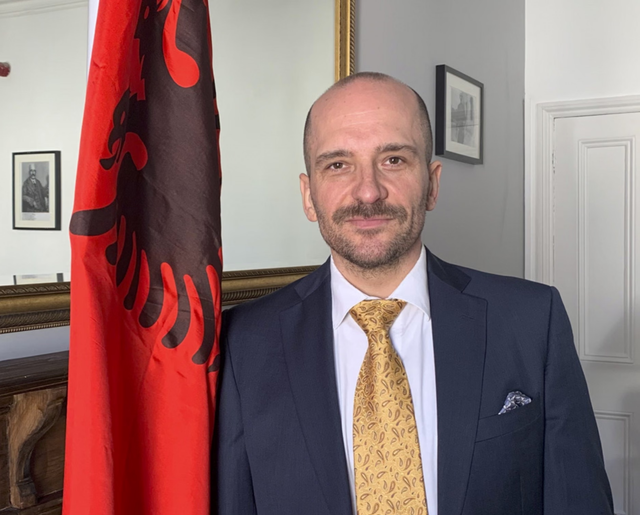
Albania's Ambassador to the United Kingdom, Uran Ferizi, has raised concerns that Albanians are being unfairly demonized by British media and politicians, especially those on the right.
In a letter to the prestigious British media outlet "The Guardian" , he criticizes the "obsession" with labeling Albanians as an immigration problem, emphasizing that this discourse has direct consequences for the Albanian community in schools, workplaces, and daily life.
Ferizi accuses the media of misreporting statistics and politicians of using Albanians as scapegoats in the immigration debate, comparing this phenomenon to the historical stigmatization of other immigrant groups in Britain.
The letter states that, "Albanians living in the United Kingdom are paying a heavy price in everyday life, in schools and workplaces, due to negative portrayals by the media and right-wing politicians."
Also in his letter, the Ambassador denounced the way in which some British media outlets, such as the 'Telegraph', have misreported statistics on the involvement of Albanians in crime.
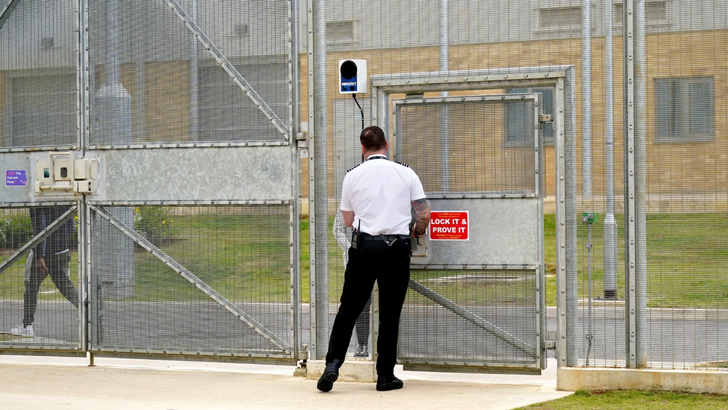
He cited a 2024 analysis that claimed that one in 50 Albanians in Britain was in prison, calling this a manipulation of the data.
According to him, when the statistics are weighted by the real number of Albanians and controlled for age, gender and income, the result shows that Albanians are imprisoned at the same rate as native Britons.
He also broadened the criticism, implicitly refuting comments by politicians with foreign backgrounds, including Mahmood, Suella Braverman and others.
"It is particularly disheartening to see politicians who are second-generation immigrants themselves attacking immigrants who followed them to Britain," he said.
Ferizi compared this phenomenon to the previous stigmatization of other immigrant groups in Britain, such as Jews, Irish, and Poles, saying that each time the narrative reflected the anxieties of the moment, not the character of the people.
The Ambassador emphasized that this negative discourse has direct consequences for the Albanian community in Britain.
He brought examples of Albanians who have experienced discrimination in the workplace, in promotions, or even in social life.
An Albanian woman in the technology sector said she hesitated to publish an activity on LinkedIn due to negative comments about Albanians.
Another said that her husband was judged as a "criminal" simply because he declared his nationality.
Ariseld Muca, head of a property maintenance company in London, reported that clients often refer to news stories about "Albanian criminals", which makes his job difficult.
A British Home Office spokesman said the government values the Albanian community and its long-standing partnership with Albania to combat illegal migration and crime.
He added that anyone who is in Britain illegally, regardless of nationality, will be removed as soon as possible.