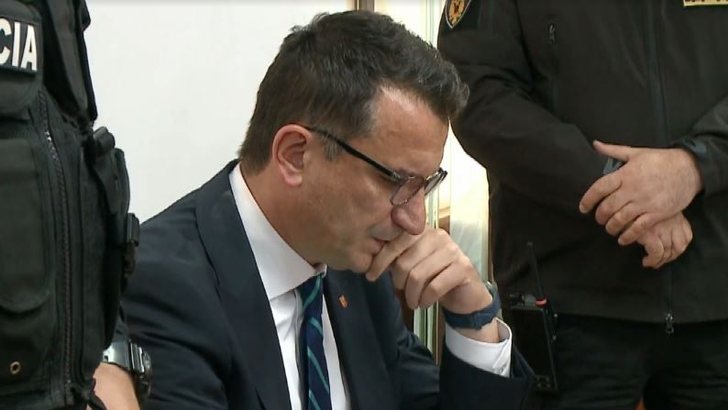
Is this police force professional and capable of handling violen...
/ 2026-10-16 18:54:07Focus


Prime Minister Edi Rama, during an interview with the Belgian media outlet UnHerd, commented on the protests, the development project in Zvërnec, the opposition's accusations of links to organized crime and claims that Albania is a "narco-state", or the internal clashes in the Socialist Party.
One of the main topics of the interview was the planned project in the Zvërnec area, which has been met with opposition and protests. Rama said that the government has no intention of withdrawing from the project, but announced a consultation process with the community.
The interview also discussed the opposition of some residents to the development of the coastal area. According to the material published by UnHerd, the debate is related to the fact whether this part of the coast should remain public land or be developed through tourism investments.
Rama also recalled previous protests during his government, saying that in one case he withdrew because the protesters, according to him, were right, while in another he chose to open a dialogue with them. According to him, today's situation has taught the government some things, but it will not lead to withdrawal from the Zvërnec project.
Meanwhile, Rama also commented on the clashes with former Foreign Minister Elisa Spiropali, saying that they are internal issues of the Socialist Party. The head of government was also asked about the Aruba meeting and the accusations of connections between government figures and people suspected of drug trafficking at this meeting, while Rama asked for concrete evidence.
"Where is it? Who, where? Where is the photo? Where is the document? Where are the tickets? Where, where?" he replied. "Then how would you respond," he added, pointing at me, "for example, an accusation that you were with some drug traffickers yesterday in the hotel where you are sleeping. How do you respond to that?", the interview highlights.
Excerpt from Prime Minister Rama's interview:
Dëshira e PPNEA-s është që plazhi dhe pjesa tjetër e vijës bregdetare të mbeten tokë publike, siç ishte që nga koha e Mbretërisë së Shqipërisë së Mbretit Zog. Por është një mall shumë i tregtueshëm, po aq sa për ata që e kanë kultivuar atë për breza me radhë, aq edhe për familjen Kushner. Dhe nuk është e qartë nëse vetë fshatarët dëshirojnë që vendi të mbetet i pazhvilluar, në vend që të përfitojnë nga bumi i turizmit që besojnë se Shehu ua ka vjedhur. Në Vlorën aty pranë, opinioni vendas është dukshëm më shumë në favor të projektit Kushner. "Këta njerëz [në Zvërnec] janë budallenj", më tha një shofer taksie në Vlorë. "Ata nuk duan të ecin përpara, por është një nga investimet më të mëdha në Evropë. Do të jetë shumë mirë për qytetin tonë. Shpresoj vetëm të jetë siç thonë ata dhe Izraeli të mos ndërtojë një bazë atje", shtoi ai. Megjithatë, ai më tha se mbështet protestat e Tiranës "sepse ato kanë të bëjnë me çmimet e larta. Shqipëria është ende një vend shumë i varfër dhe shumë i korruptuar". E pyeta se për kë votoi. «Rama, sigurisht», tha ai, duke më parë sikur të kisha bërë një pyetje idiote, «Çdo herë Edi Rama».
Për vetë Ramën, i cili u rizgjodh pak më shumë se një vit më parë për një mandat të katërt , protestat kanë ardhur si një tronditje. Në dokumentin strategjik “Besa” të publikuar së fundmi , emri i të cilit aludon në betimin e pathyeshëm qendror të kulturës tradicionale shqiptare, qeveria e Ramës deklaroi se “bulevardi flamingo” paraqiste “një pasqyrë që shoqëria na e mbante përpara” dhe provë se “gjithnjë e më shumë shqiptarë, përfshirë edhe ata më të vjetër, nuk e krahasojnë më Shqipërinë që kemi me atë që patëm në vitin 2013, por vetëm me atë që ata vetë besojnë se Shqipëria mund dhe duhet të jetë”. Pjesa më e madhe e dokumentit të Besës duket se mbështetet në vëzhgimin e de Tocqueville se momenti më i rrezikshëm për çdo regjim është kur pritjet në rritje që rrjedhin nga reformat e ndërmarra tashmë i bëjnë çdo padrejtësi të mbetur të duket e patolerueshme. “Qytetari që ka më shumë se dje”, shkruajnë autorët e strategjisë, “është një qytetar më i pakënaqur. Pikërisht sepse jeton më mirë sot se dje, ata gjithashtu besojnë se vendi i tyre është i aftë të bëjë shumë më tepër sesa bën sot.” Në një letër të hapur të kohëve të fundit , ish-anëtarja e Partisë Socialiste dhe besnikja e Ramës, Elisa Spiropali, e cila kohët e fundit u shkarkua nga roli i saj si Ministre e Evropës, deklaroi se protestat përfaqësojnë një “mobilizim politik dhe shoqëror, veçanërisht midis brezit të ri, që nuk mund të injorohet pa pasoja”. Në atë që mund të lexohet vetëm si një kritikë ndaj stilit të qeverisjes së Ramës, Spiropali pohoi se Shqipëria kërkon “jo më shumë personalizim të pushtetit, por institucione më të forta se individët”, “më shumë përulësi, më pak arrogancë”, “më shumë përfaqësim dhe më pak përqendrim të vendimmarrjes”, për të ndërtuar “një shtet ku ligji qëndron mbi pushtetin dhe ku pushteti nuk identifikohet me asnjë person të vetëm”.
Kur e pyeta Edi Ramën nëse letra e hapur e Spiropalit nxirrte në pah mosmarrëveshjet e brendshme brenda Partisë Socialiste, ai e mbylli pyetjen. “Kjo është një gjë shumë e brendshme, e brendshme”, tha ai. “Dhe duhet ta mbajmë për vete sepse nuk mendoj se duhet t’i eksportojmë gjërat tona të brendshme jashtë për audiencën, sepse atëherë bëhet si të ushqehesh me kuriozitet, të ushqehesh me gjëra kurioze, një audiencë që nuk është aspak brenda historisë, e painformuar ose asgjë.” Por opozita nuk kishte shqetësime të tilla, u përgjigja unë, duke shtuar se Berisha kishte bërë akuza shumë specifike se figura politike brenda rrethit të ngushtë të Ramës kishin marrë pjesë në takimin në Aruba me trafikantin e dyshuar të drogës Artur Shehu, dhe se qeveria kishte lidhje të pakëndshme me bosët e krimit të organizuar. “Ku është? Kush, ku? Ku është fotografia? Ku është dokumenti? Ku janë biletat? Ku, ku?” u përgjigj ai. “Atëherë, si do të përgjigjeshe”, shtoi ai, duke treguar nga unë, “për shembull, një akuzë se ishe dje me disa trafikantë droge në hotelin ku po fle. Si i përgjigjesh kësaj?”
Rama rejects the idea that Albania is a narco-state
He continued, “Yes, opposition figures can tell you a lot of things, but it’s not my job to tell you whether we are connected or not, it’s their job to prove that we are connected or not, because I am truly disgusted by the years that in this country... that the burden of proof has shifted to those who were accused.” Asked about the opposition’s characterization of Albania as a narco-state, Rama completely rejected the idea. “You can say whatever you want. But a ‘narco-state’, a narco-state that started closing the chapters of negotiations with the EU? It doesn’t fit in any way shape or form. If Albania has problems with corruption, Albania has never fought corruption like it has in these years. If Albania has problems with crime, Albania has never fought crime like it has in these years. And when it comes to crime, I’m telling you, we pay a big price in the Balkans, for the fact that people from the Balkans are very active in organized crime. Abroad. But the crime industry is not here. It’s there.”
Referring to the fact that I am a journalist, he added: “You know narco-states, I think, how they feel, you know poor corrupt countries, how they feel, you know middle-income countries, how they feel. I don’t think you need me or anyone else to tell you what kind of country you are in, with all the good and the bad… It doesn’t feel unsafe, it doesn’t feel like a poor country, you don’t feel all these things.”
I asked Rama if, having secured his place as one of the most important figures in Albanian history, he worried that an escalation of the protests might damage his legacy. “No, how can protests threaten a legacy?” he said. “I like the pressure.” He had faced two previous waves of protests, he told me, perhaps bigger than today’s, in 2013, shortly after he came to power, and also in 2018. “When it came to the first one, I backed off because they were right. They had a very strong point. I said, you’re right, we’ll stop. And that’s it, they got what they wanted. The second time, I didn’t back off. But I started a conversation with them and we did some good things. This time, I learned things, so we won’t back off the [Zvërnec] project, for sure. But we’ll do a [consultation] process.” In the end, he added, "I strongly believe that the project will completely close this chapter because it will be beautiful."