Is this police force professional and capable of handling violen...
/ 2026-10-16 18:54:07Focus


Park Hyatt Dubai, Armani Hotel Dubai inside Burj Khalifa, St. Regis Dubai The Palm, Anantara World Islands Dubai Resort, JW Marriott Marquis Hotel Dubai, Radisson Blu Hotel Dubai Media City (all hotels in Dubai). The list goes on…
With tourism frozen due to the current geopolitical situation, Dubai pauses and takes the opportunity to renew itself.
The hospitality sector is on hiatus. Many of the emirate's most popular and luxurious hotels are closing for renovations, taking advantage of this period of calm to update rooms, restaurants, spas and services, in the hope of soon bringing back tourists from around the world.
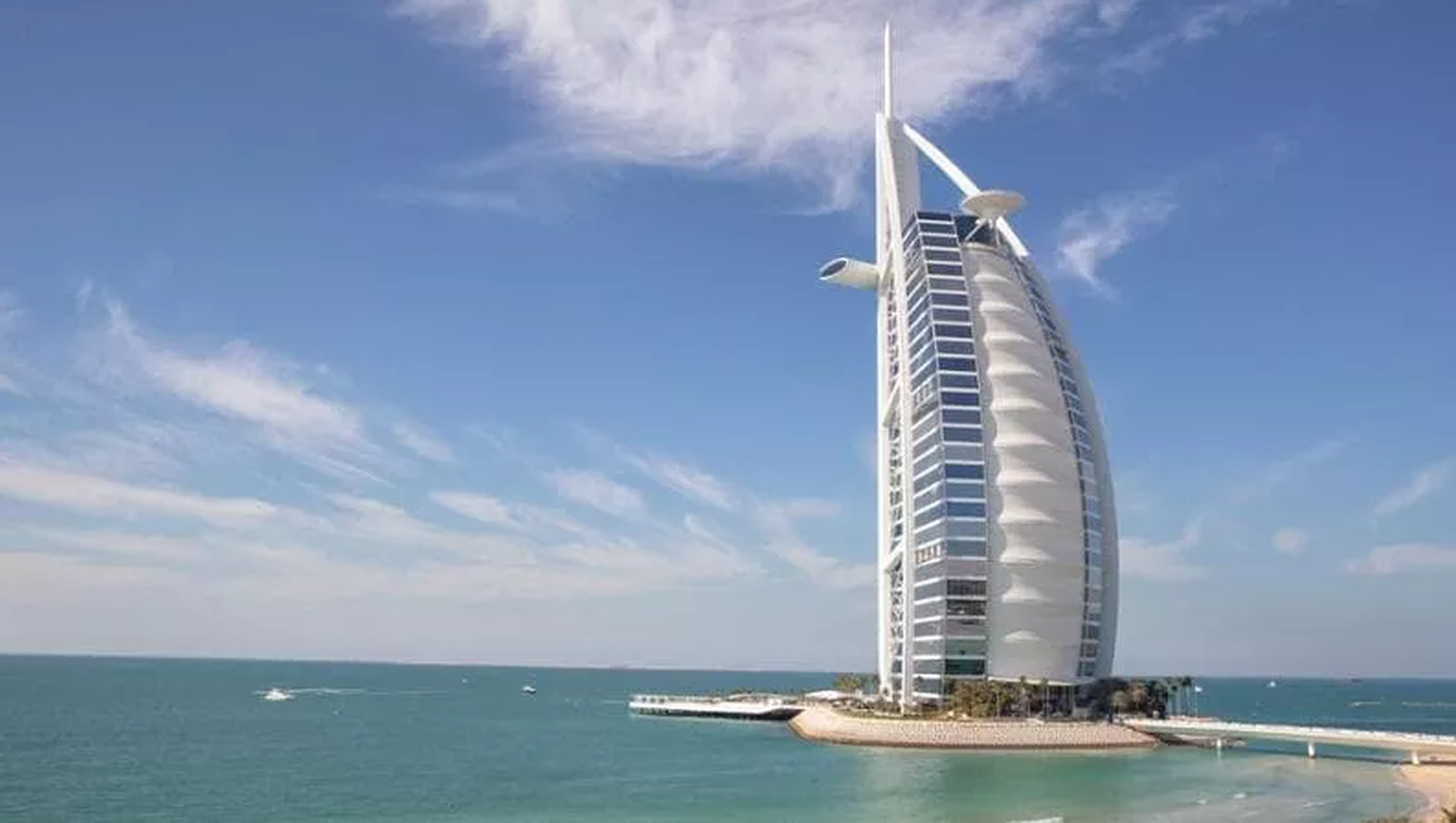
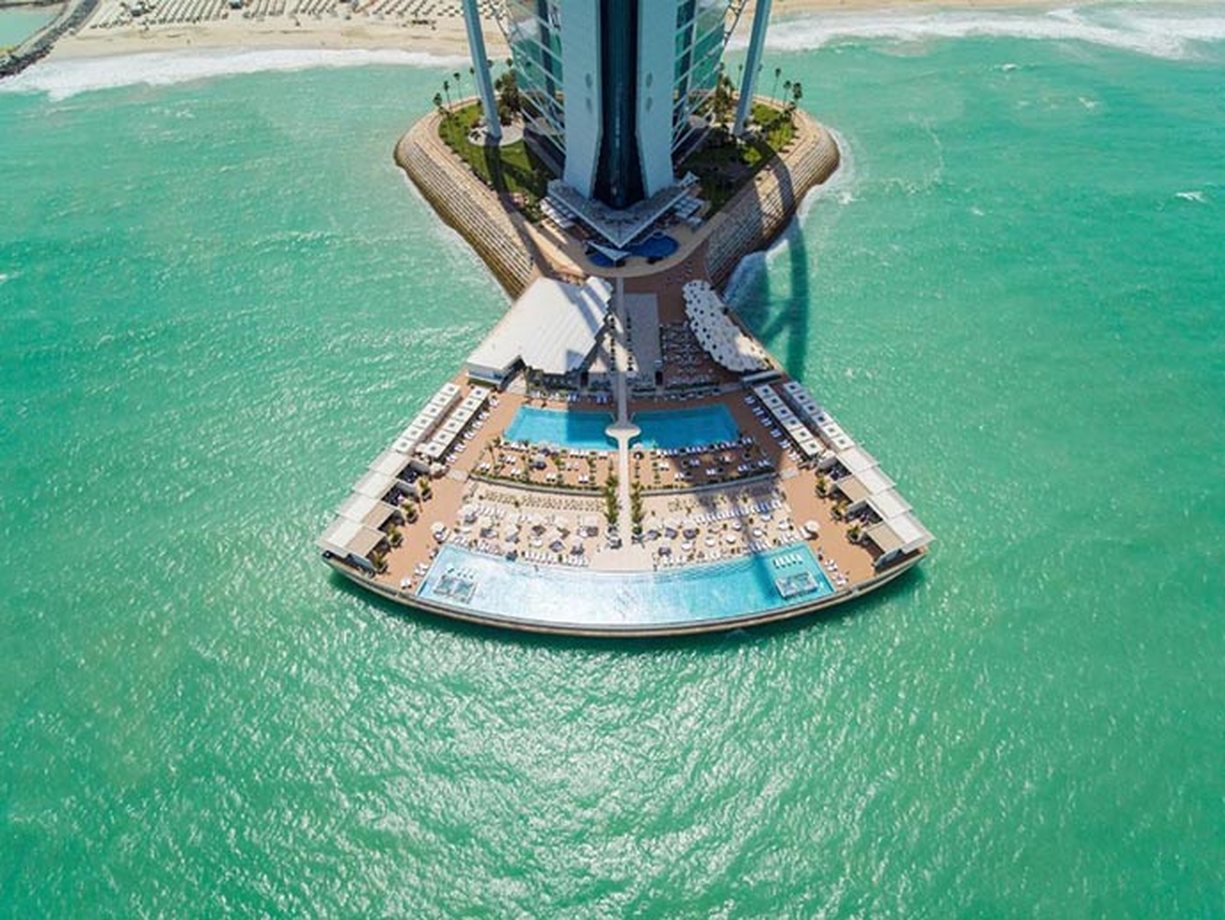
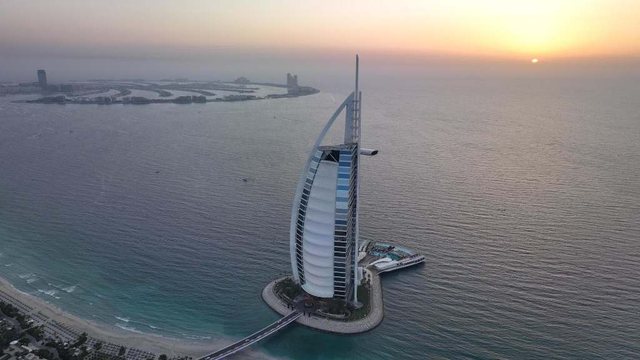
But the most talked-about renovation is that of the Jumeirah Burj Al Arab, a symbol of the city itself and part of the Jumeirah Group, which is closing for the first time since opening for a deep restoration of its spaces.
First time since opening in 1999
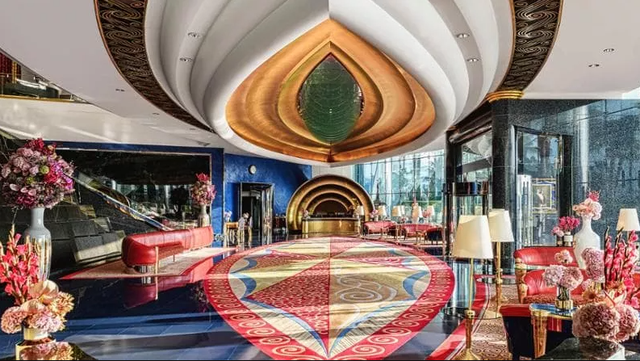
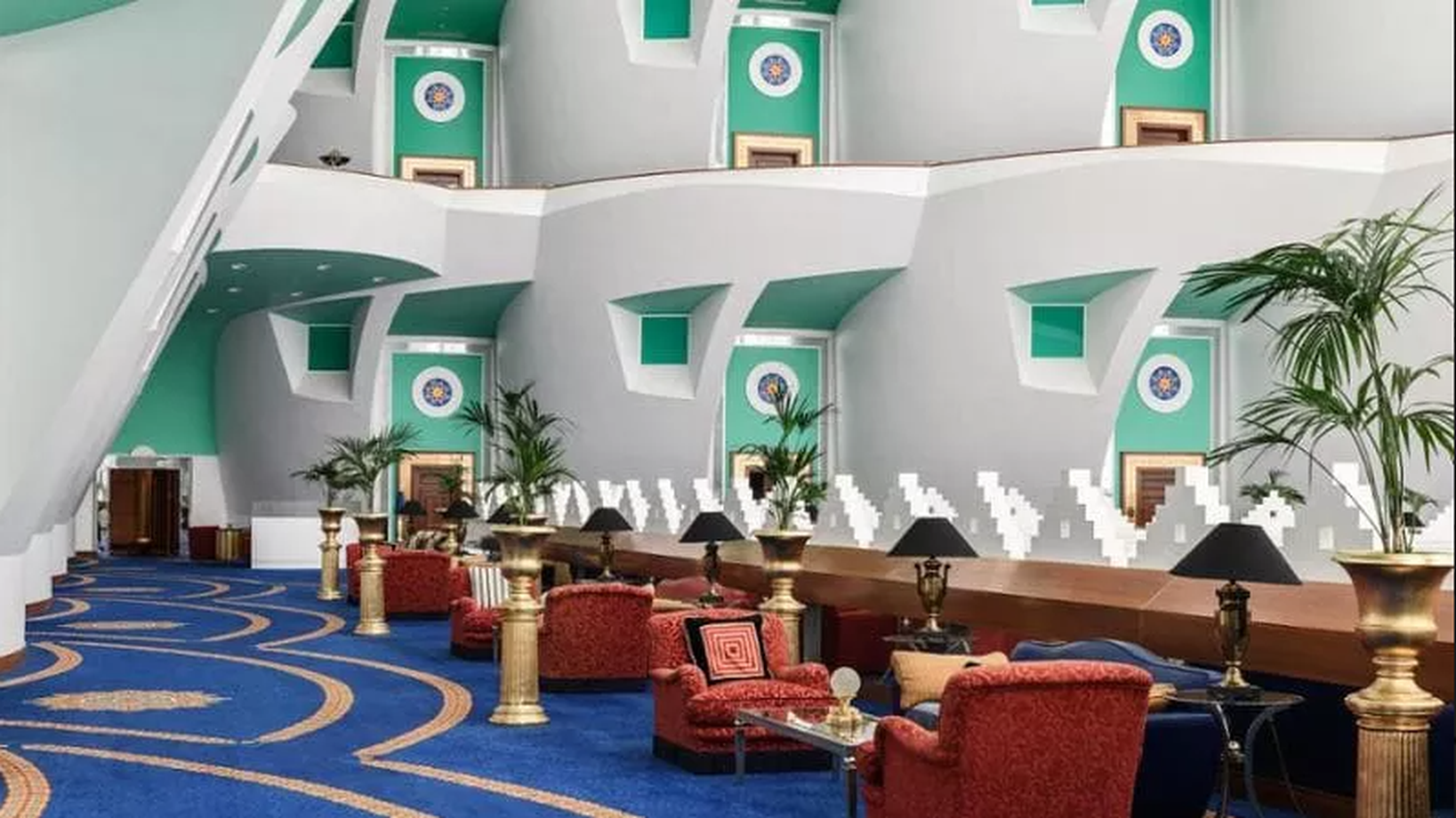
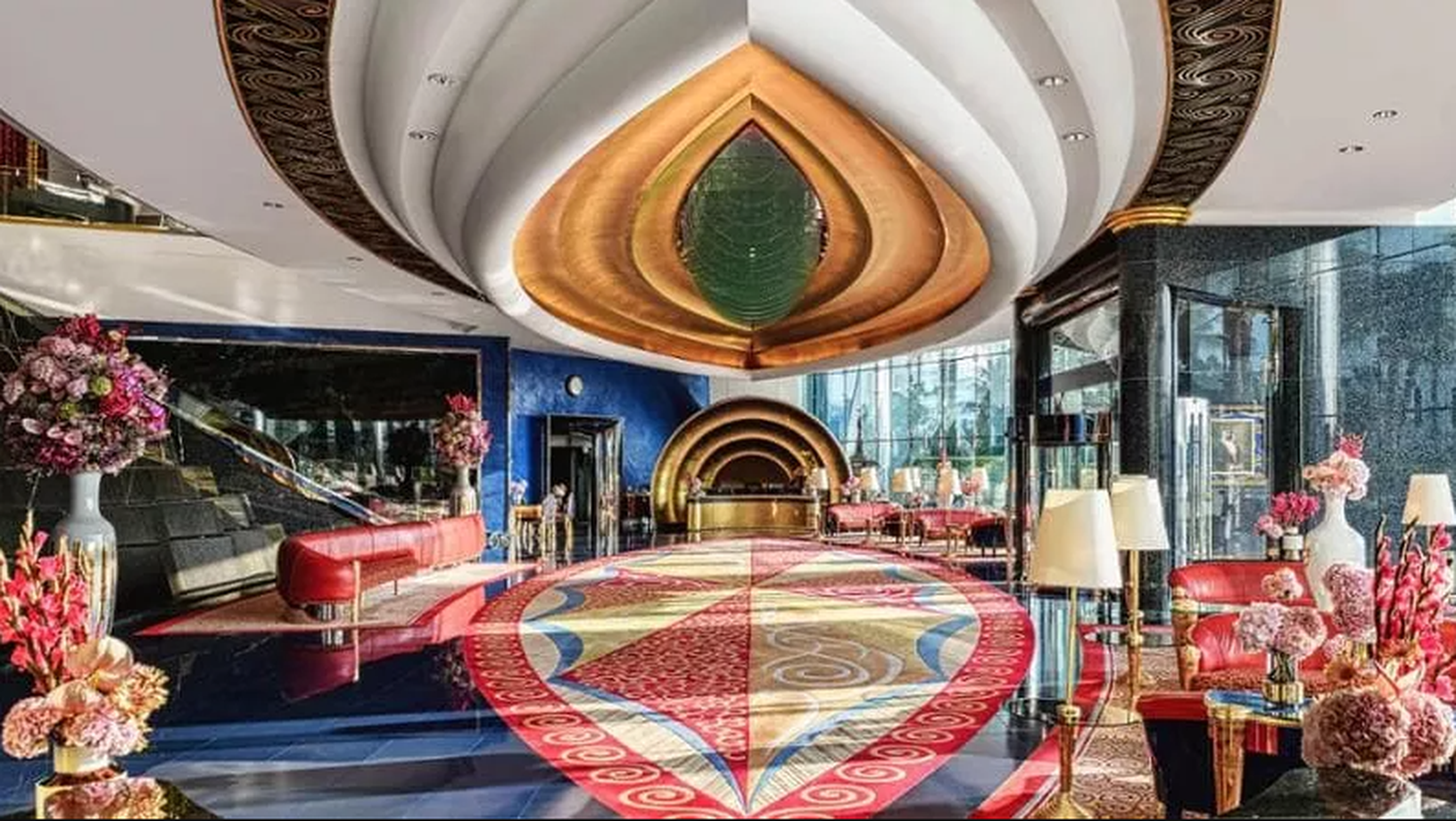
Opened in 1999, the hotel quickly became one of the city's symbols of luxury hospitality. With its sail-shaped structure, one of the most photographed in the world, and an interior design rich in marble and gold, it contributed to the transformation of Dubai's skyline.
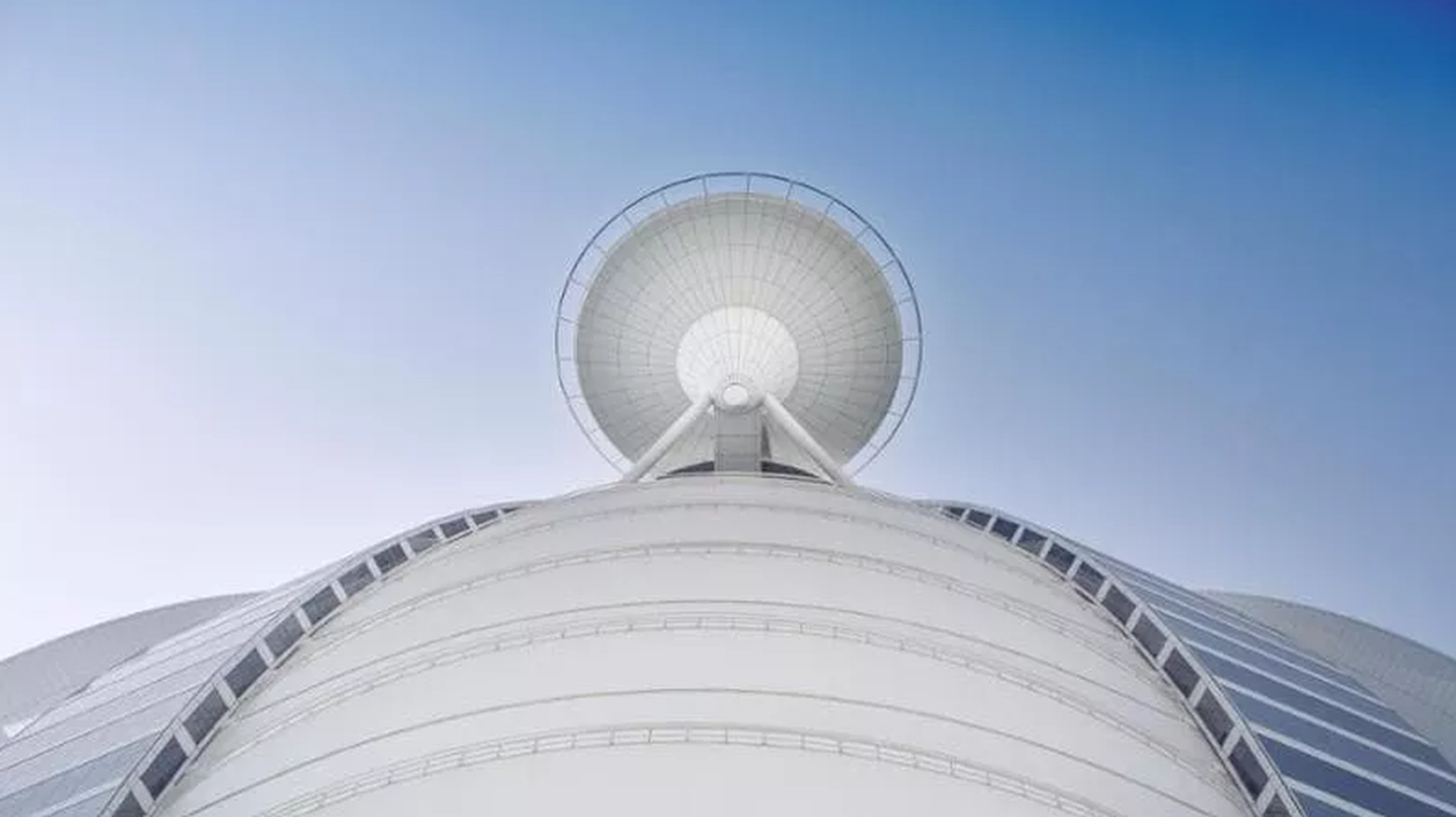
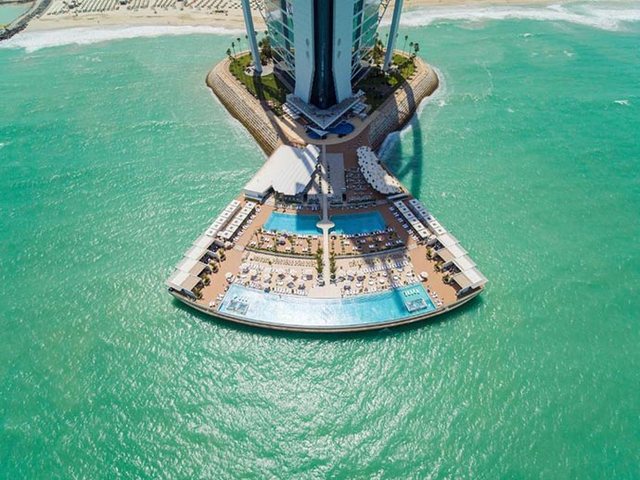
The giant 180-meter-high atrium, the underwater restaurant with aquarium walls, the helicopter pad, and the panoramic pool are just some of the elements that have made this hotel unique.
"Seven stars", why is it called that?
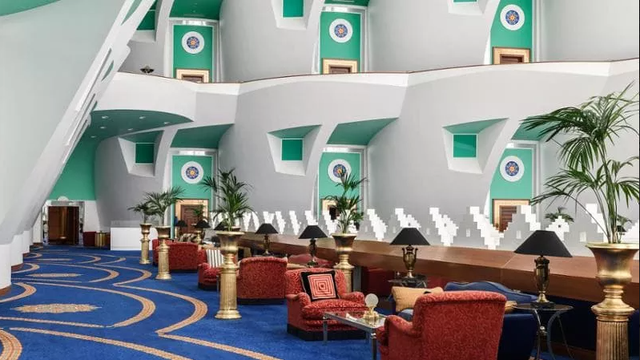
It is often described as a “seven-star” hotel, although such a category does not officially exist. Extraordinary luxury: about 1,790 square meters of 24-carat gold, over 86,500 hand-placed Swarovski crystals, and more than 30 types of rare marble cover the premises.
Purpose: long-term storage
Now this symbol of Dubai is shutting down for a restoration program conceived as a long-term intervention, more than a simple renovation. The goal is to preserve the architectural and cultural value of the building, with care similar to the restoration of a work of art.
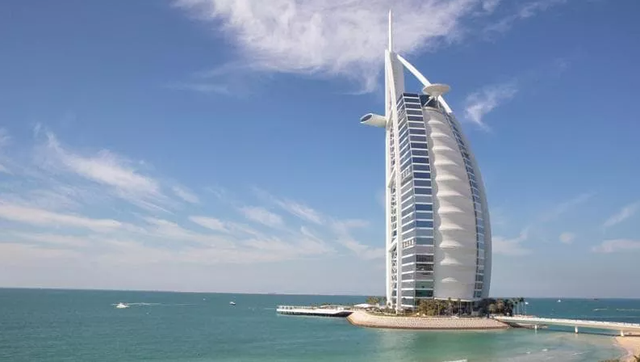
According to the head of Jumeirah, this intervention marks a new chapter for the hotel, which for decades has represented exceptional standards in the hospitality industry.
Between memory and modernity
The project led by interior architect Tristan Auer aims for a conservative restoration: preserving the original materials, identity and style, intervening only where necessary for updating.
The works will take around 18 months and will be carried out in phases, with the main focus on the interiors. The idea is not to transform, but to restore balance, while maintaining the luxurious style that has made the hotel a global icon.
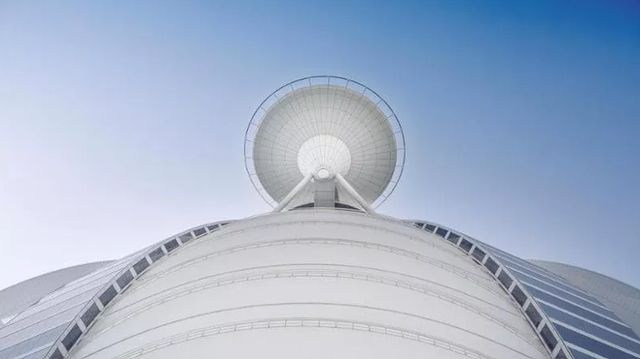
The reopening is expected at the end of 2027, with the hope that by then the situation in the Middle East will have stabilized./ La Repubblica