How Belinda Balluku is fabricating the rumor about Top Channel's...
/ 2026-10-19 16:19:00Focus


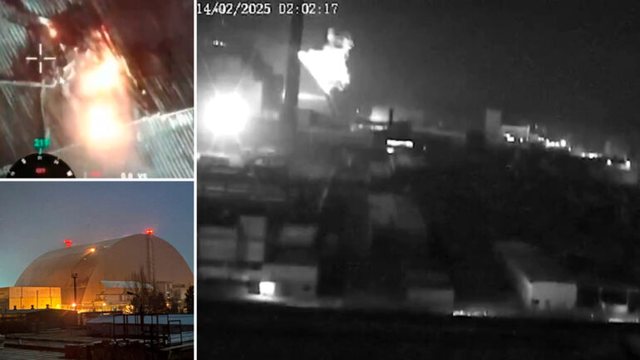
The International Atomic Energy Agency (IAEA) announced today that an explosion was heard last night from the new sarcophagus protecting what remains of the fourth reactor of the Chernobyl nuclear power plant.
According to the same source, the explosion caused a fire, but radioactivity levels inside and outside Chernobyl remain stable and normal. No casualties have been reported, the IAEA stressed.
In his post, Zelensky blamed the Russians for the Chernobyl explosion, saying it came from a drone carrying a high-explosive warhead. The Ukrainian president spoke of significant damage to the sarcophagus.
What is the new sarcophagus and why was it built?
According to DW, the protective shell installed in 2016 is considered an engineering feat, standing 100 meters high and capable of supporting Notre Dame in Paris or St. Peter's Basilica in Rome. It weighs a total of 36,000 tons. Its construction in the reactor area was considered dangerous due to high levels of radioactivity, so the steel "sarcophagus" was built a short distance away, to be transported by rail to its final destination.
The project's initiators hoped that the steel shell would prevent radiation leaks for the next 100 years, while also protecting the reactor space from moisture and extreme weather events. Already after the nuclear disaster in April 1986, the Soviet authorities had built a makeshift concrete enclosure, which, however, had dangerous cracks several years earlier. That is why the "new Chernobyl sarcophagus" was deemed necessary.
Last night, a Russian attack drone with a high-explosive warhead struck the shelter protecting the world from radiation at the destroyed 4th power unit of the Chornobyl Nuclear Power Plant.
— Volodymyr Zelenskyy / Володимир Зеленський (@ZelenskyyUa) February 14, 2025
This shelter was built by Ukraine together with other countries of Europe and the world,... pic.twitter.com/mLTGeDYgPT
The Kremlin denies the accusations.
Kremlin spokesman Dmitry Peskov stated that he did not have accurate information about the alleged incident, but that Russia does not attack nuclear infrastructure.
"The Russian military doesn't do this. They don't. This is most likely just another provocation," Peskov said.
Ukrainian President Volodymyr Zelenskiy and the UN nuclear energy watchdog said radiation levels remained normal after the incident, which came as top US, Ukrainian and European officials gathered at the Munich Security Conference to discuss the war in Ukraine.