Protests, violence, curfews: From France to Albania, why Europe'...
/ 2026-10-20 23:47:20Focus


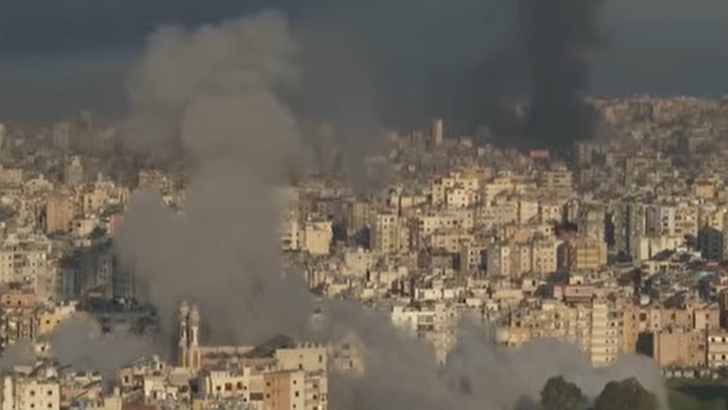
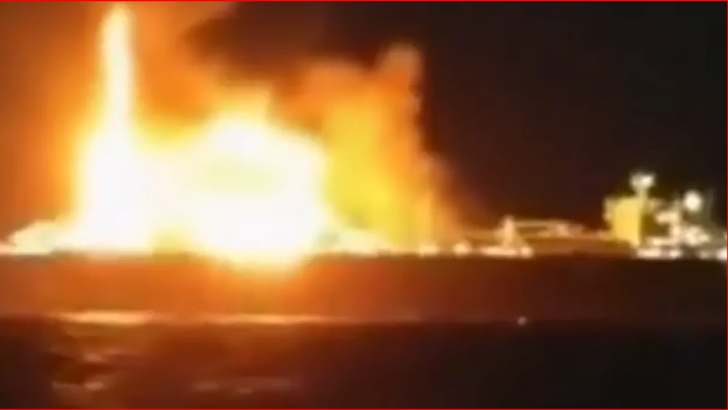
According to the scenario described by some international analysts, joint military operations by the United States and Israel would target the main power structures in Iran. In this context, the elimination of the country's Supreme Leader, Ali Khamenei, is also mentioned. After that, Tomahawk missiles would hit barracks, weapons depots, government buildings, television antennas and news agencies. Meanwhile, Israeli and US fighter jets would carry out up to 300 missions per day, on average one every five minutes.
The secret services, namely the Mossad and the CIA, according to this description would use wiretapping and advanced technology to identify targets. Even a single phone call could be enough to identify a person's voice and launch an operation to eliminate them.
This is not a science fiction scenario; according to the data cited in the analysis, dozens of important politicians and senior officers of the Iranian armed forces, including members of the Revolutionary Guard Corps, would have been eliminated within five days. However, even in such chaotic conditions, institutions seem to continue to function: politicians giving interviews or posting on social media, the army continuing operations, hospitals working, and the electricity supply not being interrupted.
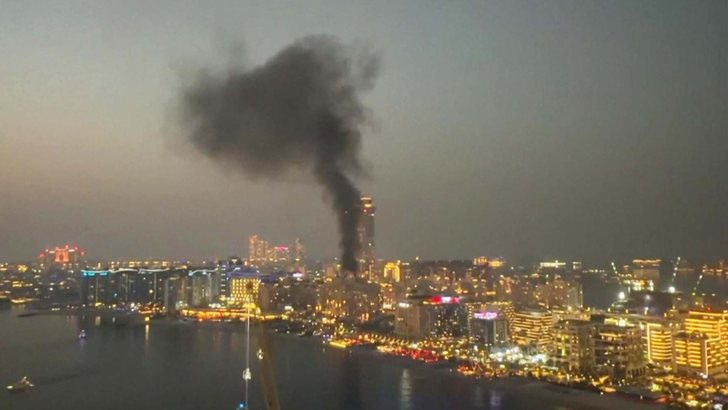
The activation of air raid sirens in countries such as Israel, Kuwait, Saudi Arabia, the United Arab Emirates and Qatar is an indication that Tehran continues to react and retaliate.
An example of this resistance is the case of Hamas, which has continued to function even after two years of intense bombing in the Gaza Strip. In that relatively small territory, the militants constituted a limited part of the population. In Iran, out of about 90 million inhabitants, it is estimated that at least one million are members of the paramilitary and security forces, while about 15 million are considered staunch ideological supporters of the Islamic Republic.
The experience of organizing power under attack dates back to the 1980s war, when Iran was bombed by Saddam Hussein-led Iraq. Over the years, the Iranian system has been perfected by creating decentralized structures. The Islamic Republic operates through a network of autonomous cells that can operate without direct communication with each other. This is often called a “mosaic structure,” where provincial governors are able to coordinate internal security, civil services, and military activities even without direct orders from the center.
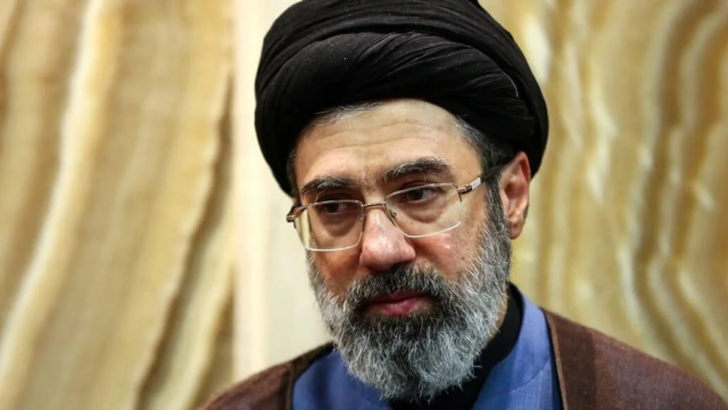
The power structure is even more complex. Iran has a formal government led by President Masoud Pezeshkian, but there is also a very powerful administration within the office of the Supreme Leader. For years, the practical leadership of this office has been held by Khamenei's son, Mojtaba Khamenei, who is often mentioned as a possible successor.
In addition to the government and the office of the Leader, the Islamic Revolutionary Guard Corps also plays a major role. This structure is not only military: it manages hospitals, power plants, import-export companies and banks, as well as paying salaries and pensions. In practice, a Revolutionary Guard commander often has more influence than a civilian minister.
According to Iran's constitution, in the event of a vacancy in the position of Supreme Leader, power temporarily passes to a triumvirate consisting of the president, a religious leader, and the head of the judiciary. However, in practice, there is also an "unwritten constitution," in which the office of the Leader and the Revolutionary Guard have greater power than parliament or the government.
In this complex system, real influence is often concentrated in a few key figures. Among them are Mohammad Bagher Qalibaf, currently the speaker of parliament and former commander of the Revolutionary Guard; Ali Larijani, secretary of the Supreme National Security Council and former speaker of parliament; and Gholam-Hossein Mohseni-Eje'i, head of the judiciary. These are considered among the most important figures in maintaining the functioning of the state apparatus.
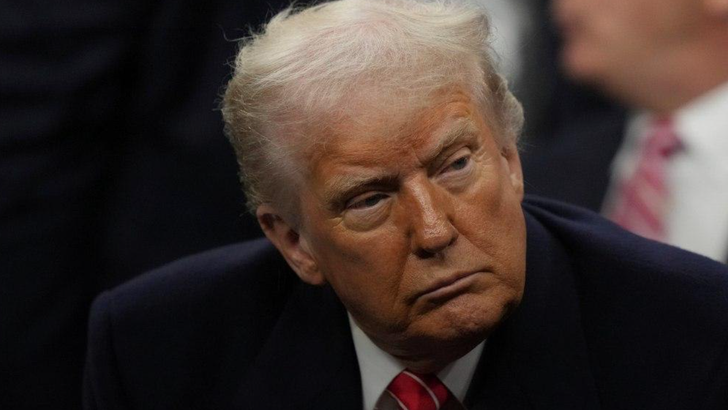
In this context, US President Donald Trump has stated that "in the worst case, someone even tougher than the current leader could come to power." According to some analysts, this possibility is not excluded in a system where the balance of power is distributed among several parallel structures./ Corriere della Sera