"Condemned" protesters?! Who trapped Rama inside the Prime Minis...
/ 2026-10-23 16:02:00Focus


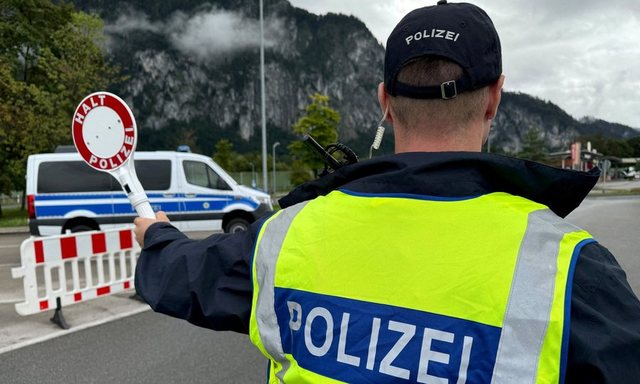
Germany restarted controls at its borders this Monday.
The German police will check not only the people who enter the eastern and southern borders of the country, but also the northern and western borders. This at least for six months. The new regulation affects border crossings from Denmark, the Netherlands, Belgium, Luxembourg and France.
Since Germany is located in the middle of the "Schengen area", additional controls can lead to difficulties in the movement of people and goods.
According to Reuters, the government in Berlin believes that this measure is necessary to curb illegal immigration and fight Islamic extremism.
The one in Kehl with France has been added to the list of border checkpoints with control, where Border Police officers were seen stopping cars.
"Checks are carried out on vehicles where illegal immigrants are suspected," Dieter Hutt, spokesman for the German Federal Police, told Reuters. "But we want to disturb others as little as possible."
According to Hutt, 15 Syrians were caught on Monday while trying to cross the train from Strasbourg to Kehl.
Controls within the Schengen area, which is normally an area of free movement of people, will last six months. The decision has been criticized by many EU member states.
Polish Prime Minister Donald Tusk criticized that Germany would endanger the entire Schengen system with its general controls. In fact, travel in the Schengen area is possible without identity checks and without waiting lines, the passport must be shown only at its external borders and at airports.
While the Greek Prime Minister, Kyriakos Mitsotakis, said that the controls would damage one of the greatest achievements of the EU.
While Hungary, which currently has the next Presidency of the EU Council, commented with some irony on the German border controls. For years, Hungary has been criticized and accused of its tough stance against illegal migration. "Now it seems that those who have always rejected our approach are following it themselves. It's funny how a few years and a migration crisis can change the mind," said a press release from the right-wing populist government in Budapest.