Is this police force professional and capable of handling violen...
/ 2026-10-16 18:54:07Focus


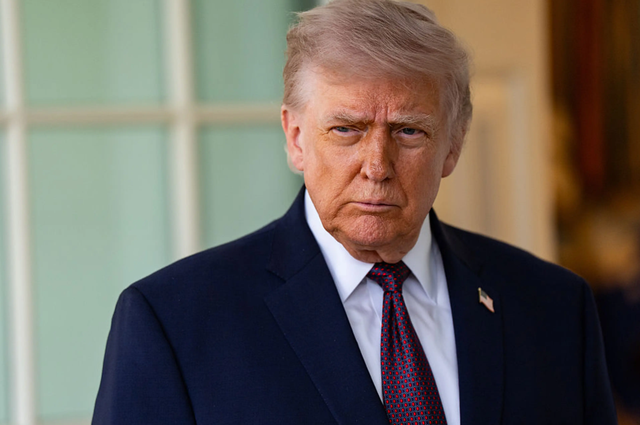
US President Donald Trump has given Iran a short deadline of three to five days to unify its domestic stance and return to the negotiating table, otherwise the ceasefire extended by Washington risks ending and the military option returning to the table.
According to US sources cited by Axios, the administration in Washington believes that an agreement to end the conflict and address the remaining issues of Iran's nuclear program is still achievable. However, the main concern is the lack of a clear authority in Tehran that can make a final decision.
Inside Iran, the divide between the military and civilian structures has become apparent. Generals of the Islamic Revolutionary Guard Corps (IRGC) have reportedly rejected key parts of the discussions held by civilian negotiators, creating a deep institutional stalemate. At the same time, Supreme Leader Mojtaba Khamenei has reportedly been uncommunicative, leaving a decision-making vacuum.
The clash became public when Foreign Minister Abbas Araghchi announced the reopening of the Strait of Hormuz, while the IRGC refused to implement the decision and launched open criticism of it. In the following days, Iran did not give a concrete response to the latest American proposal and did not confirm participation in a second round of talks in Pakistan.
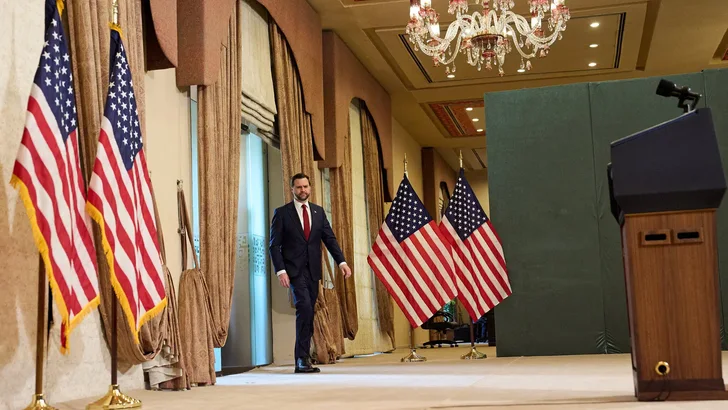
The developments have left the White House deeply frustrated. Vice President JD Vance had been set to travel to Islamabad to lead the negotiations, but the trip was canceled at the last minute due to the lack of a clear Iranian delegation. US envoys Steve Witkoff and Jared Kushner were also forced to change their plans.
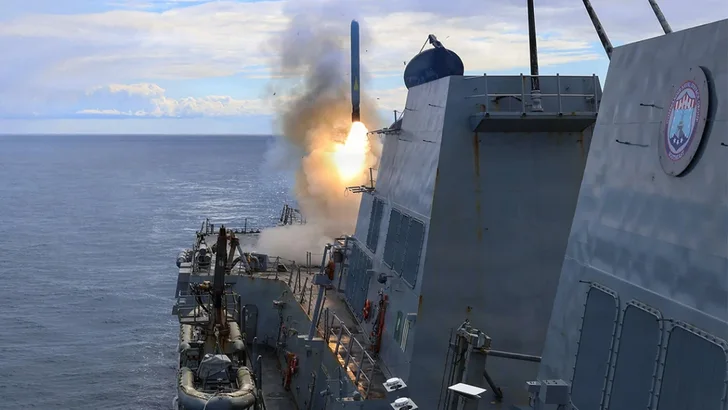
At a high-level national security meeting attended by key figures such as Marco Rubio and Pete Hegseth, Trump was faced with two options: military escalation against Iranian energy infrastructure, or further delaying diplomacy. He chose the latter, giving the negotiating process some more time.
However, the message from Washington remains clear: if Pakistani mediators fail to secure Iran's participation within this deadline, the military scenario will return as a real alternative.
One of the main instruments of American pressure remains the naval blockade. Trump has stated that Iran is facing serious financial difficulties and that the opening of the Strait of Hormuz is vital to its economy. According to him, Tehran seeks its reopening to ensure daily revenues amounting to hundreds of millions of dollars.
Now, attention is focused on the reaction of the Iranian supreme leader and whether he will give a clear directive to return to negotiations - a step that could determine whether the region moves towards de-escalation or a new phase of confrontation.