Is this police force professional and capable of handling violen...
/ 2026-10-16 18:54:07Focus


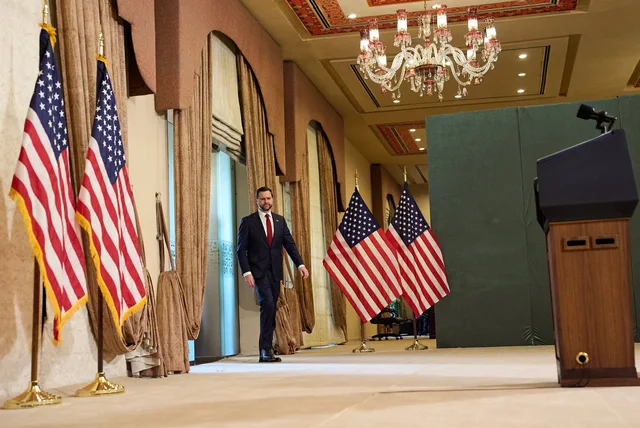
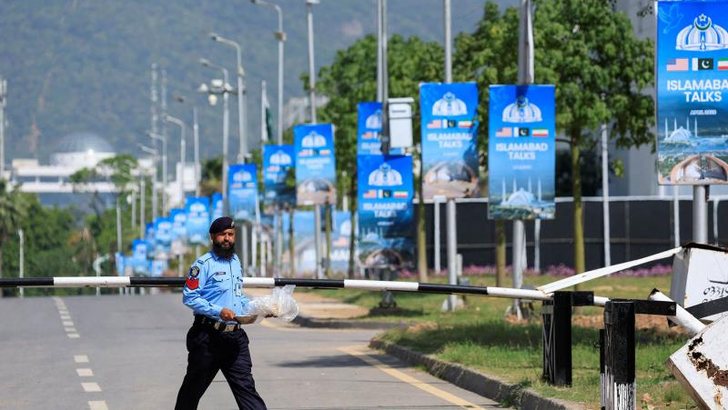
Diplomatic efforts to avoid a new escalation in the Middle East have suffered a major setback. The planned trip of US Vice President JD Vance to Pakistan for a second round of nuclear talks with Iran has been suspended. The reason for this deadlock, according to official US sources, is the lack of a response from Tehran to Washington's proposals.
This development comes at a very delicate moment, as the two-week ceasefire agreed between the two countries expires this Wednesday, leaving open the possibility of a return to military action.
Conflicting positions and expired deadlines
The cancellation of Vice President Vance's trip, which was scheduled to lead the US delegation to Islamabad, demonstrates the depth of the disagreements. While the United States is demanding a clear commitment from Iranian negotiators, official Tehran has thrown the ball in the American court.
Iranian Foreign Ministry spokesman Esmail Baghaei confirmed that Iran had not yet made a final decision on participating in the talks, expressing strong reservations about Washington's approach.
"This situation comes as a result of contradictory messages, inconsistent behavior and unacceptable actions from the American side," Baghaei told state broadcaster IRIB.
On the other hand, President Donald Trump has made it clear that the United States' strategic patience has limits. He stressed that he is not willing to extend the ceasefire without guarantees of a long-term agreement and stressed that the US military remains on standby.
"We don't have much time," President Trump warned in a statement to CNBC, hinting that the option of bombing remains open if diplomacy fails.
Hotspots, uranium enrichment and frozen assets
The recently proposed US document , which was intended to create a framework for negotiations, directly touches on the core of Iran's nuclear program. According to sources, the main sticking points include the scope of the uranium enrichment program and the fate of Iran's current stockpiles.
The options on the table are drastic: from the American demand for the complete abandonment of the program, to allowing a deeply limited civilian program under strict international supervision, including the idea of a multinational consortium for uranium enrichment.
In return, the United States is considering possible economic concessions. This includes the internal debate within the US administration about releasing some of the hundreds of billions of dollars in Iranian assets frozen by sanctions, as well as the possibility of broader regional economic integration with Gulf partners.
Market turmoil and geopolitical risks
The diplomatic standoff has sent shockwaves through the global economy. Oil prices have approached the critical threshold of $100 a barrel, driven by uncertainty over maritime traffic in the Strait of Hormuz, a vital artery for global energy supplies.
The ongoing US blockade of Iranian ports and incidents involving shipping have forced global actors to react. For the first time, Chinese leader Xi Jinping has publicly called for the reopening of the Strait of Hormuz, underlining the great damage this conflict is causing to Beijing's economic interests.
Meanwhile, the region remains a powder keg. In addition to the US-Iran crisis, the Israeli military has reported violations of a parallel ceasefire in Lebanon, blaming Hezbollah for rocket attacks, demonstrating that any setback in Islamabad could ignite a multi-front conflict across the Middle East.