"Condemned" protesters?! Who trapped Rama inside the Prime Minis...
/ 2026-10-23 16:02:00Focus


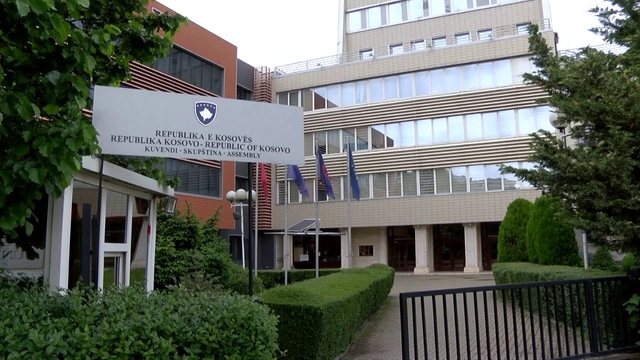
The latest failure to elect a new head of Kosovo's Parliament has raised fears of economic consequences, says Reuters, at a time when this country, one of Europe's poorest, has been stuck in a political stalemate for months.
Lawmakers have been meeting every 48 hours since mid-April to elect a new speaker of parliament, a necessary step before Prime Minister Albin Kurti, who failed to win a majority in the February 9 elections, can attempt to form a coalition government, the prestigious news agency continues.
The situation created, according to her, is not only hindering the creation of a new executive, but could also cost Kosovo hundreds of millions of euros in funds from the EU and the World Bank, at a time when the economy is in deep uncertainty.
"Albulena Haxhiu's candidacy is being insisted on, even though she has only received 54 of the 61 necessary votes," notes Reuters, which further cites experts who warn that the failure to elect the mayor could be reflected in important foreign funds for sectors such as health, education and green energy.
Thus, Lulzim Rafuna, the head of the Chamber of Commerce there, has claimed that “there are projects and loans worth 700-800 million euros that are suspended due to the crisis,” adding that “businesses are in uncertainty about reforms, fiscal policies and taxes.” Reuters also mentions the comment of the outgoing Deputy Prime Minister, Besnik Bislimi, who insists that the funds will not be lost and that the parliament should elect the speaker to vote on the financing.
Reuters also comments on Kurti's statements that "the opposition does not believe that I have 61 votes to become prime minister, and I am telling you: test me," noting that the incumbent prime minister has not explained "how he expects to secure the votes to form the government, when he is not even managing to secure them for the election of the speaker of the Assembly."