Is this police force professional and capable of handling violen...
/ 2026-10-16 18:54:07Focus



Archaeologists in Germany have discovered some of the earliest evidence of human use of clothing.
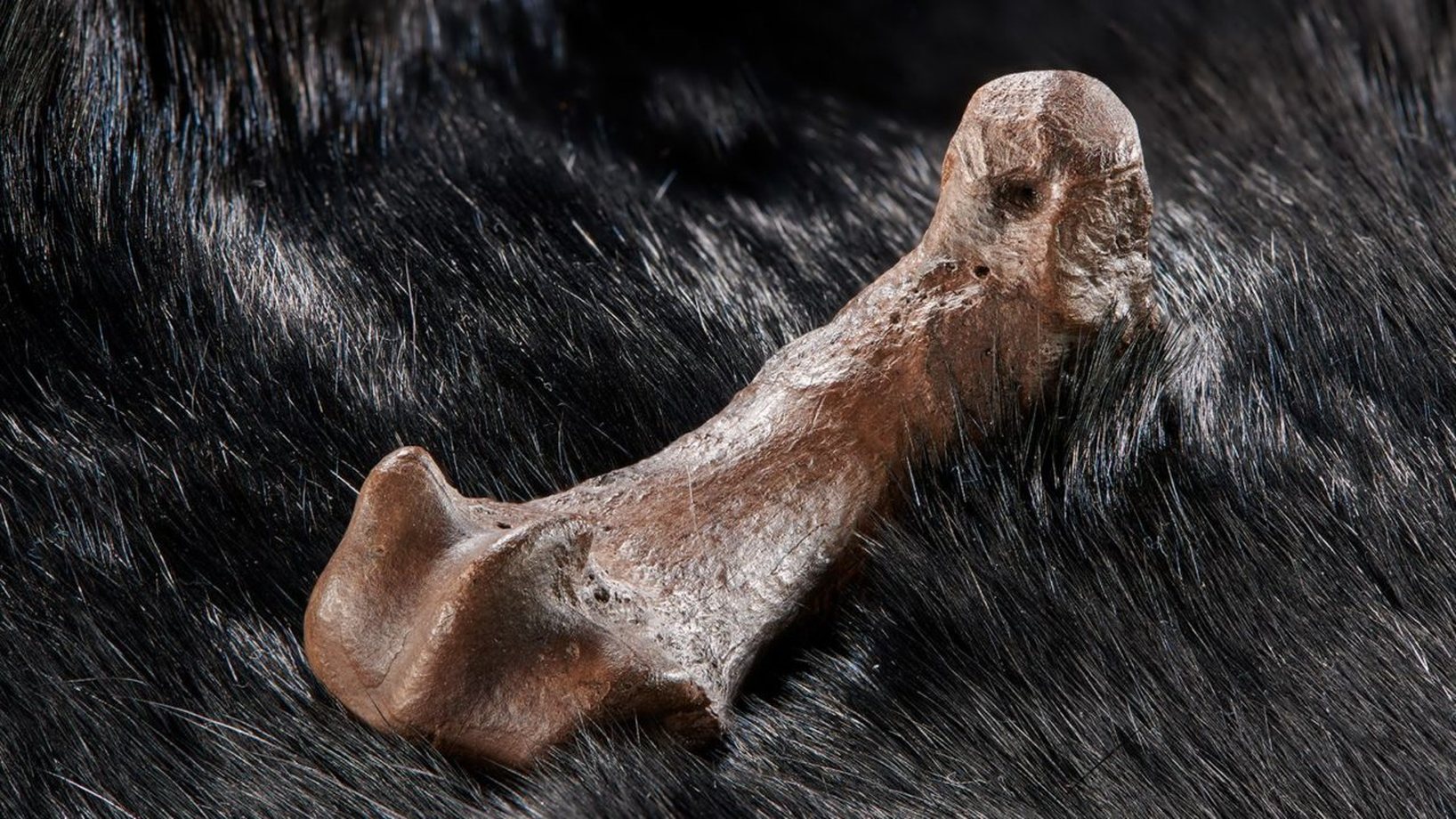
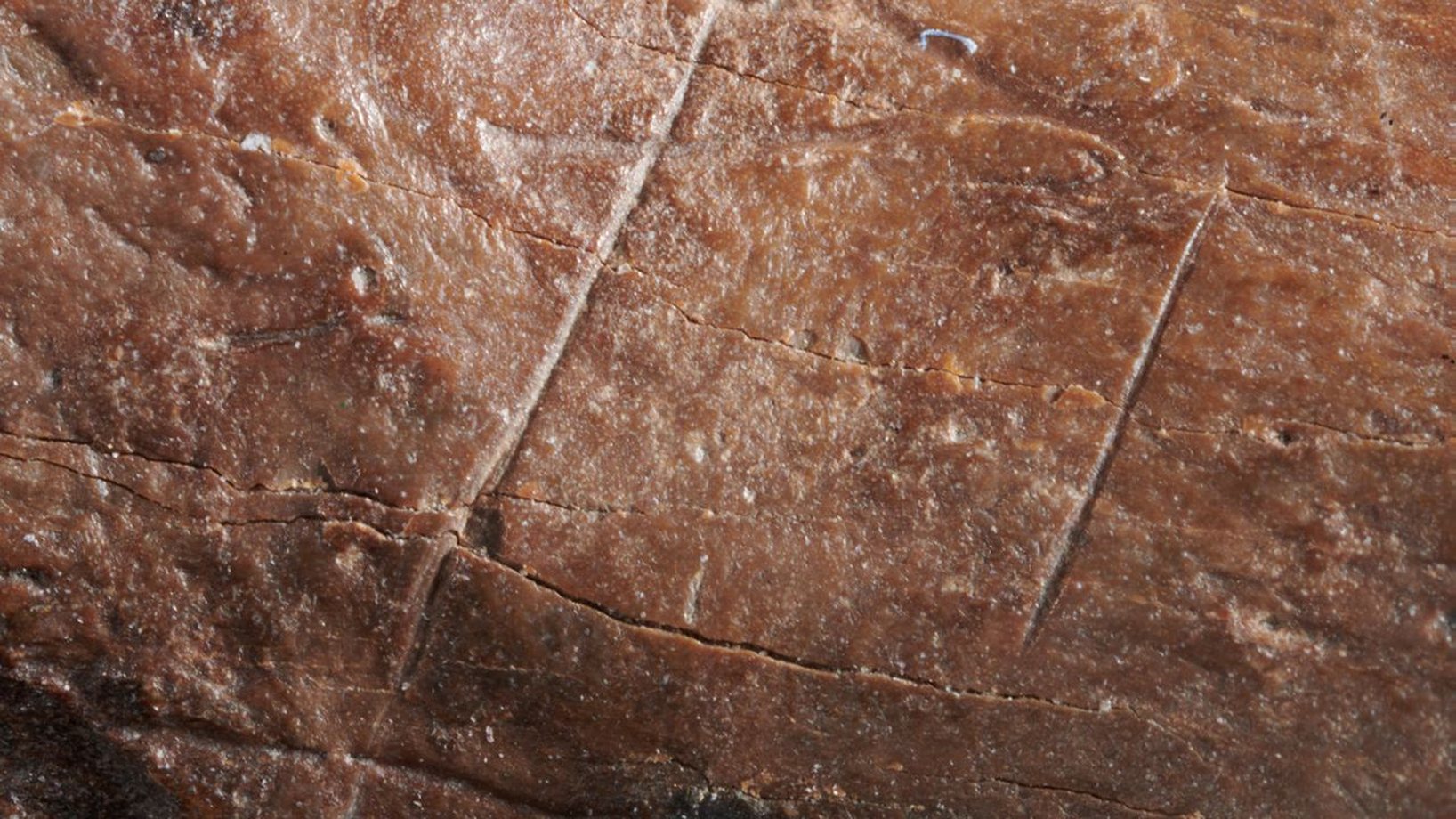
Cut marks on a bear's paw have recently been discovered, suggesting the animals were skinned for fur around 300,000 years ago.
The discovery in Schöningen, northern Germany, is significant because, despite depictions of fur-wrapped cavemen and women in popular culture, very little is really known about how early humans clothed their bodies and survived the cold winters. harshly
Wool, leather, and other organic materials typically do not survive more than 100,000 years, meaning that direct evidence of prehistoric clothing is scarce.
"The study is important because we know relatively little about how people in the distant past protected themselves from the elements. From this early time period, there are only a handful of sites that show evidence of bearskin, with Schöningen providing the most complete picture," said study author Ivo Verheijen, a PhD student at the University of Tübingen in Germany.
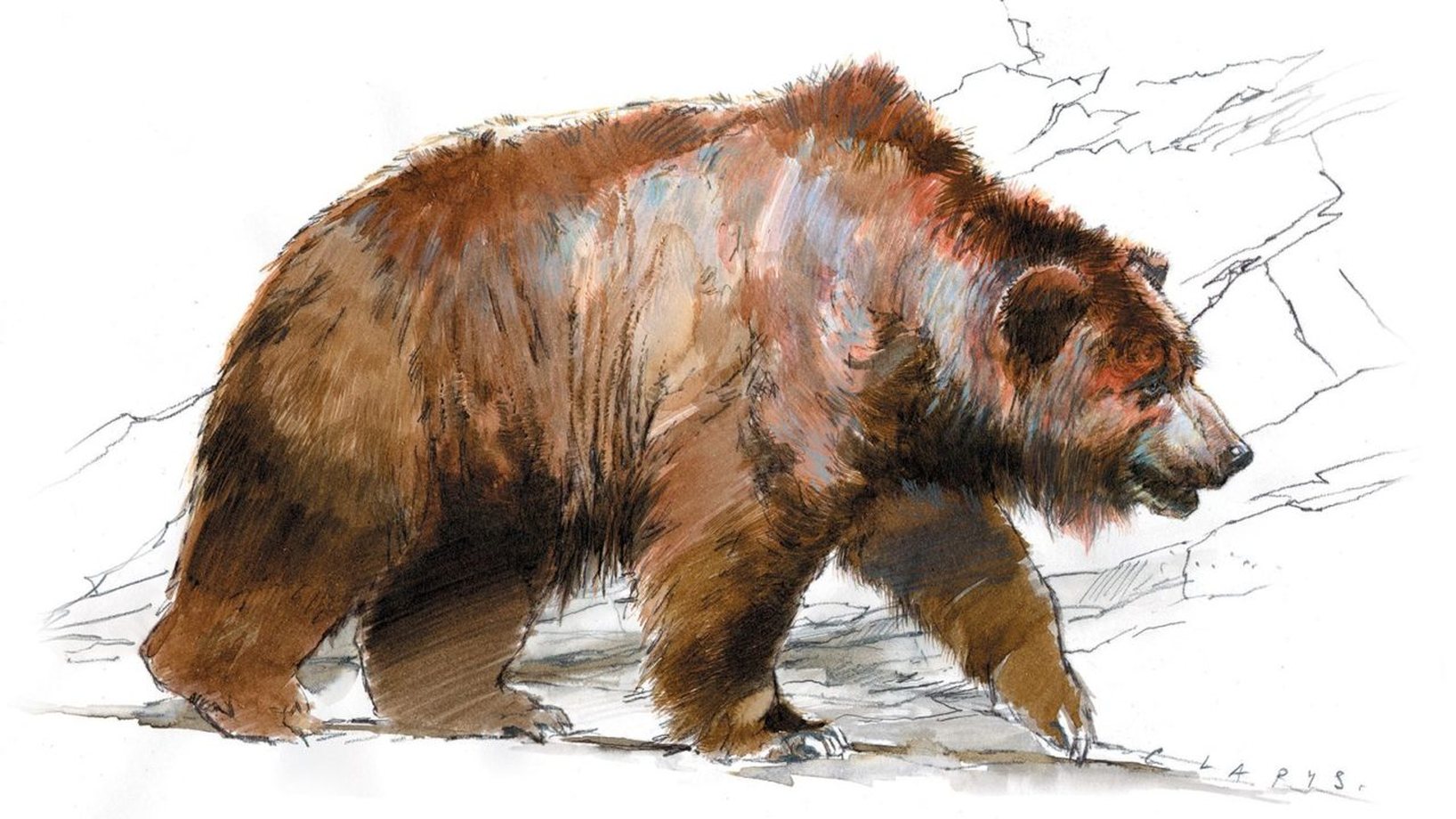
Cave bears were large animals, about the size of a polar bear, that became extinct about 25,000 years ago.
The cave bear's "coat," which has long outer hairs that form an airy protective layer and short, dense hairs that provide good insulation, was suitable for making simple clothing or bedding, according to the study published in the Journal Of Human Evolution on 23 December.
The clothes probably consisted of skins that were wrapped around the body without elaborate tailoring. Needles with eyes, needed to sew more intricate designs, did not appear in the archaeological record until about 45,000 years ago.