Is this police force professional and capable of handling violen...
/ 2026-10-16 18:54:07Focus


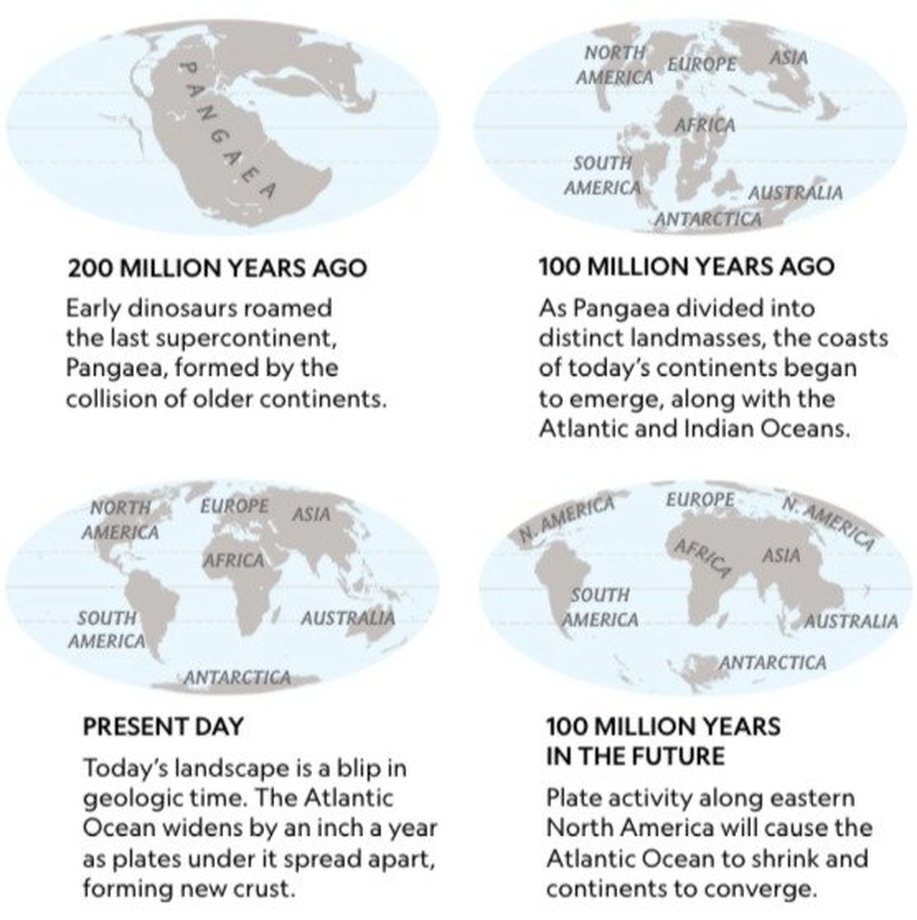
To us humans, the shape and location of the oceans and continents seem fixed. But this perception is created for us because our life is short.
If our existence spanned hundreds of millions of years instead of just a few decades, we would see with our own eyes how the land masses merge and separate again and again.
At least a few times in history, all the dry parts of our planet have joined together to form a single giant island in a single giant sea.
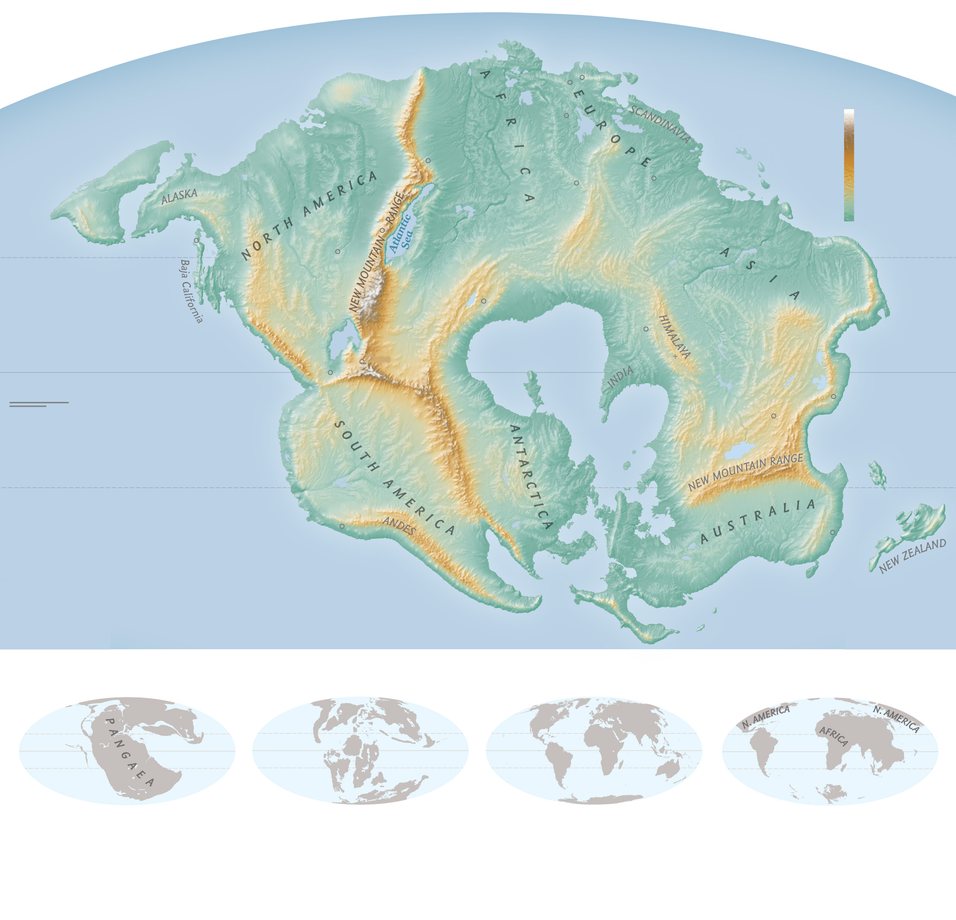
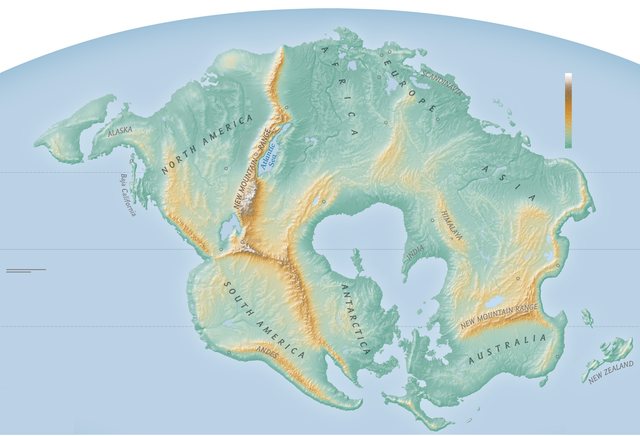
Approximately 200 million years ago we had the supercontinent Pangea. That profound history will repeat itself. In another 250 million years, we will have the next supercontinent. We already have the name ready: Pangea Proxima.
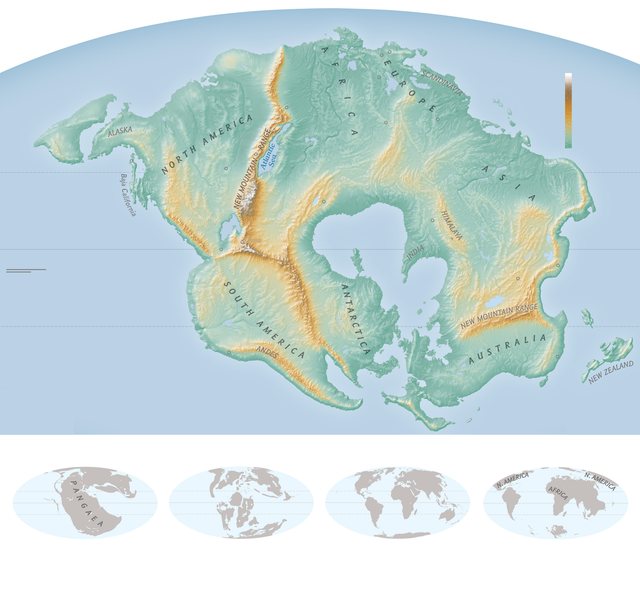
This is what our world will look like at that time: America connected to Africa in the north and Antarctica in the south; Africa collides with Europe and the Middle East; and Australia rises to the east of Asia. The giant continent is centered around the remnants of the Indian Ocean, now an inland sea that mirrors the former Mediterranean, with a boot-like India posing as a stand-in for Italy.
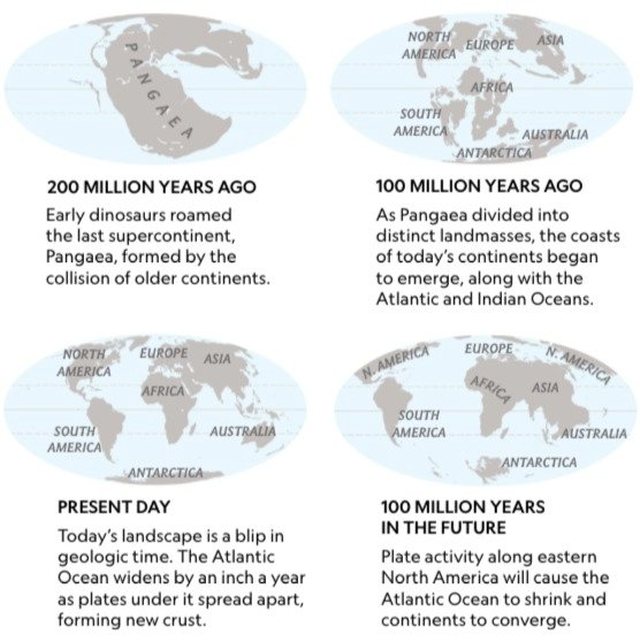
Where the continents have collided, new mountain ranges have risen. The world's new highest peak is no longer in the Himalayas, but in the as-yet-unnamed mountain range that arose where Florida and Georgia collided with South Africa and Namibia.
It is unlikely that there will be humans to witness the reunification of the world's land masses, but the map does include some present-day cities for reference.