Is this police force professional and capable of handling violen...
/ 2026-10-16 18:54:07Focus


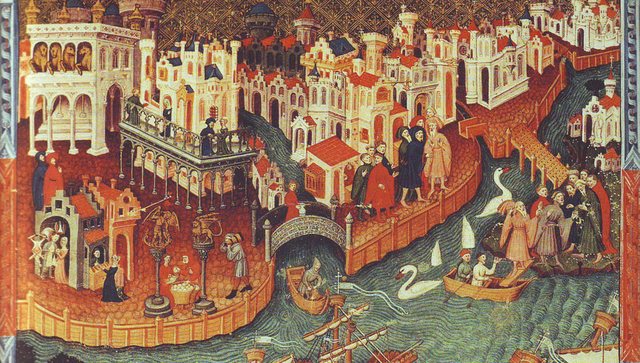
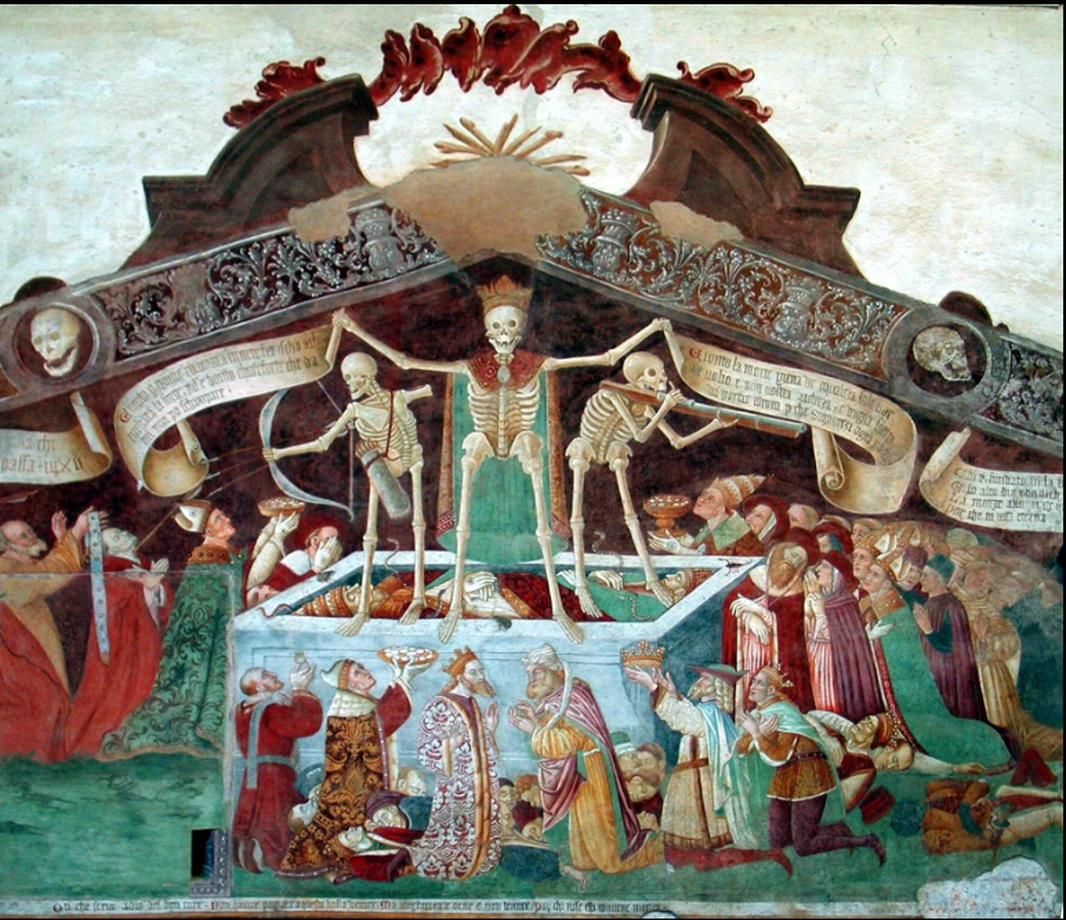
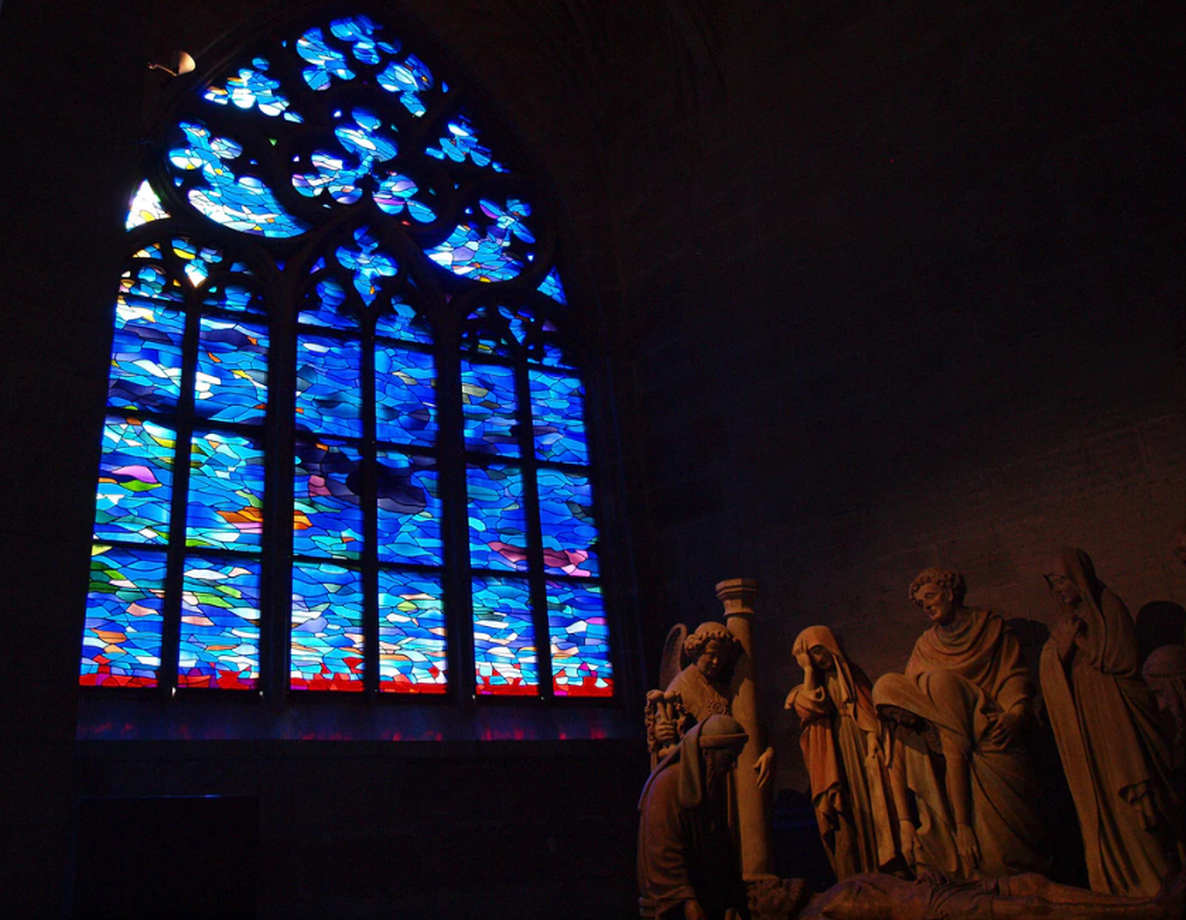
An era marked by the torture and ignorance necessary for the later splendor of the Renaissance? Not exactly. When it comes to the Middle Ages, it's easy to fall into simplifications. As in these 20 cases.
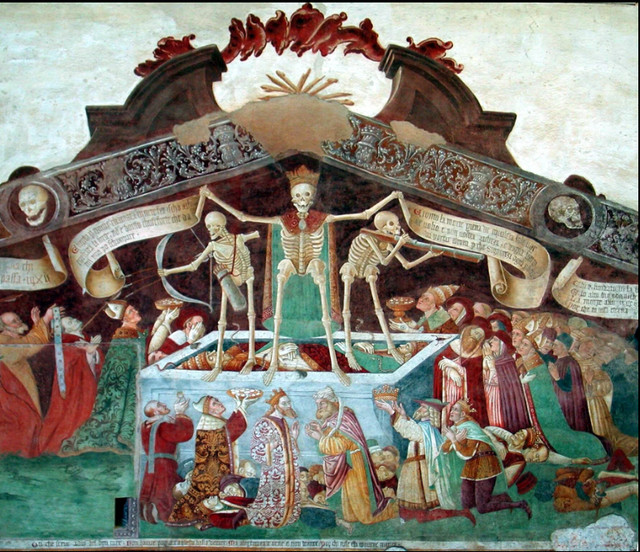
There were fears of the coming of the year 1000. The rumor arose from later reading of the chronicles of Rudolf Glaber, a monk and chronicler who in 1048 indicated a historical climate of uncertainty, speaking of signs interpreted as "apocalyptic," such as disasters and eclipses. at the same time also witnessing the will of a rebirth. But in reality there was no panic. Most people didn't know they were living in the year 1000, the years were counted according to the years of the kings' reigns, and the millennial movements heralding the end of the world spread after the year 1000, as well as the works of Rudolf Glaber, circulated a few decades later than the year 1000.

"Dark Ages"? It was the English of the eighteenth century who were the first to call it the Dark Ages. Since then, the expression "dark ages" has been used as a metaphor to indicate an era of crisis, which evokes the image of a people brutalized by hunger and superstition, of muddy roads, the barbarism of power, torture and terrible wounds. But the Middle Ages were also the time of Dante, cathedrals and the first steps of modern law.
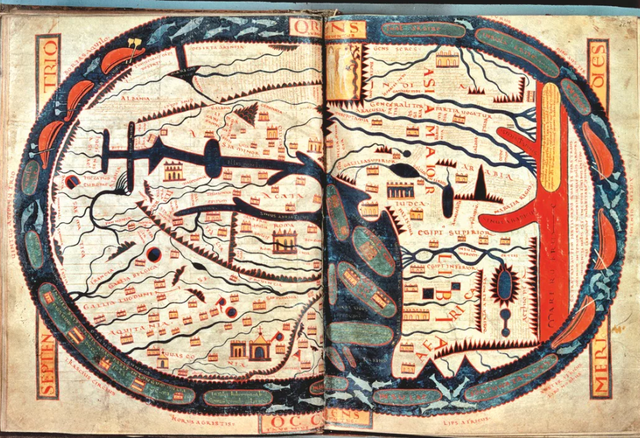
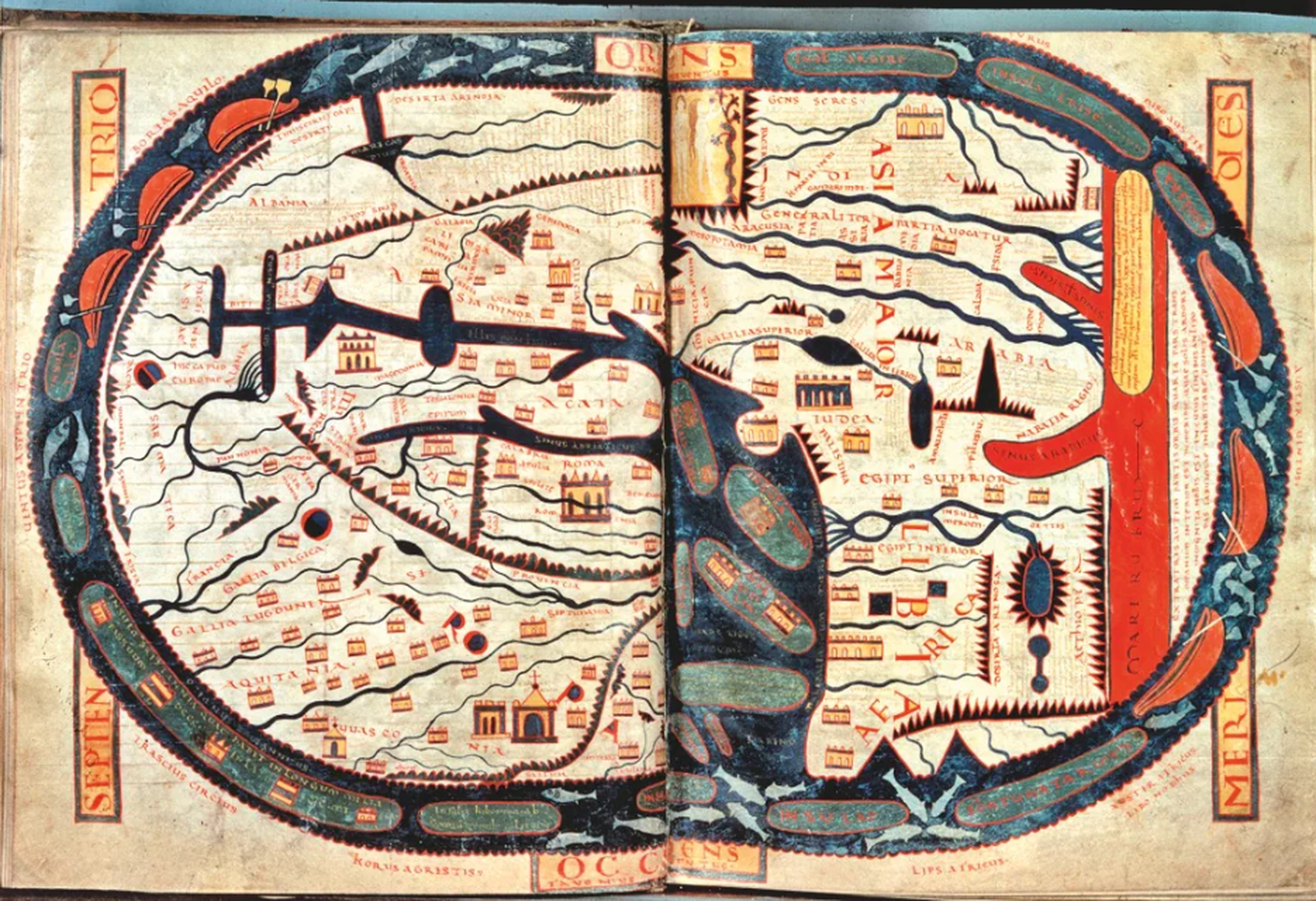
In the Middle Ages it was thought that the Earth was flat. Although it was the voyage of Magellan (1519-1522) that showed the world directly that the Earth is spherical, thanks to the first rotation of the globe, in various medieval treatises such as the Tractatus de sphaera, written in the first half of the thirteenth century, we read calculations that show the curvature of the earth's surface (data already known to the ancient Greeks). The cliché about this belief arose in the sixteenth century, when humanists saw in medieval circular maps a supposed proof of the ignorance of their ancestors. In the photo, a planisphere from the 11th century.
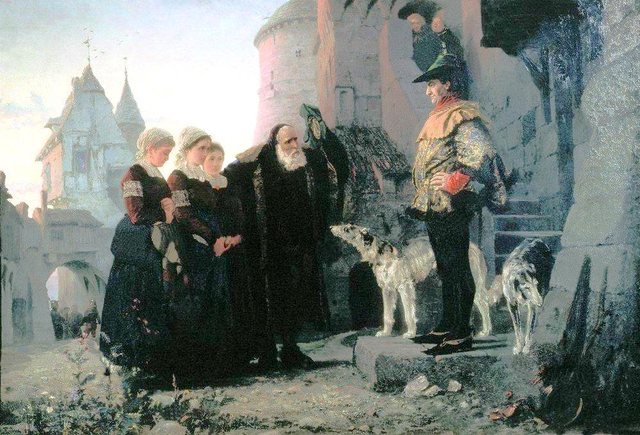
The nobles enjoyed "ius primae noctis" . Feudal lords had the right to exercise this privilege, but it was not the right to spend the night with newlyweds in their territory, but it was a tax (in money, not in kind) imposed by whoever controlled the territory in return for their consent for marriage. Likewise, castration belts didn't exist either. They are an invention of the 19th century.

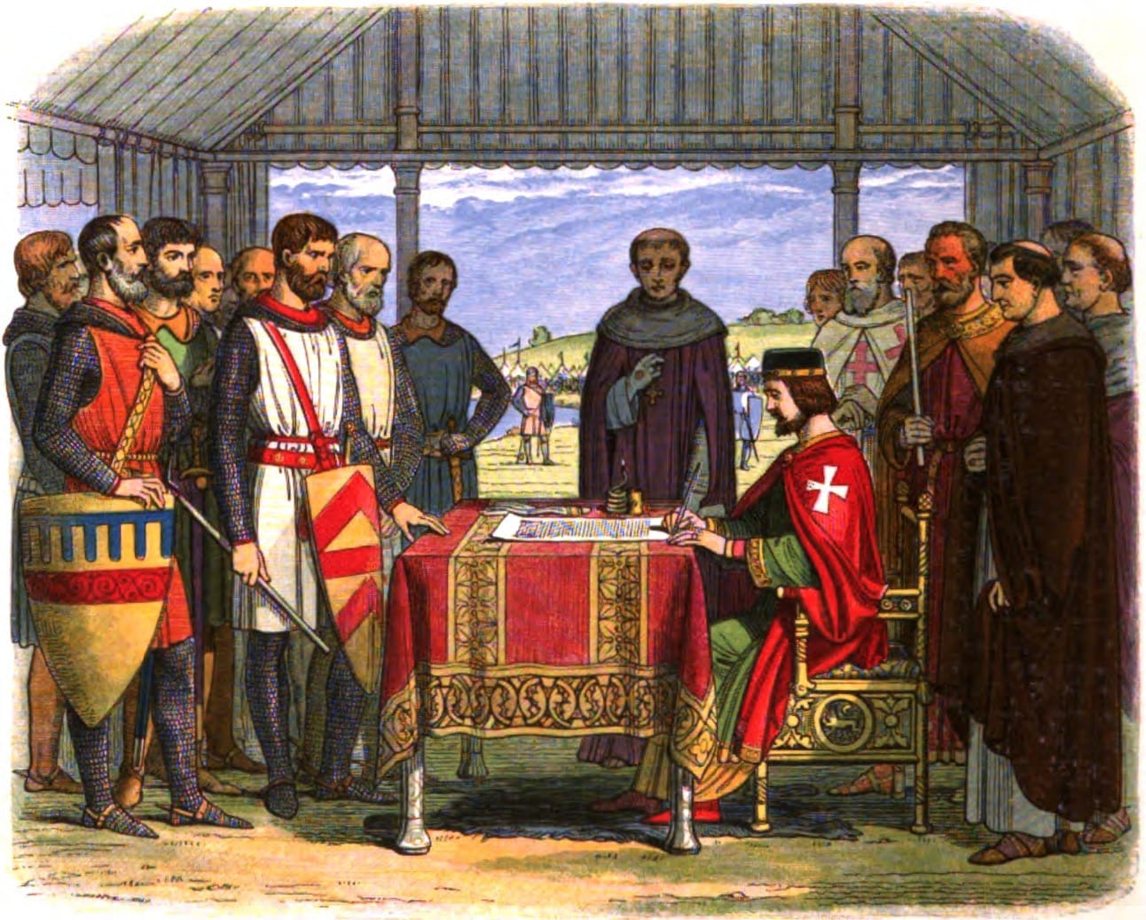
They lived without laws . Roman law was a thing of the past, but there was no shortage of laws in the Middle Ages. Examples are the Justinian Code (529-534), a collection of imperial constitutions reorganized by the Eastern Roman emperor, and the Edict of Rotary (643) and the written collection of Lombard laws. In the 12th century, the monk Gratian collected the sources of canon law in his Decree, and the English sovereign Giovanni Senzaterra gave his barons the Magna Charta, the first fundamental step towards universal recognition of the rights of citizens (constitutions). As for the people, since the year 1000 the peasants had moved to the countryside and these "bourgeois" began to claim a political role worthy of their economic influence. This is how the Municipalities and the first powerful lobbies were born.
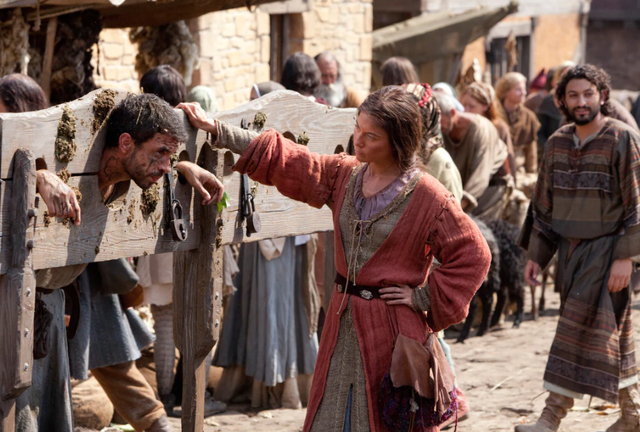
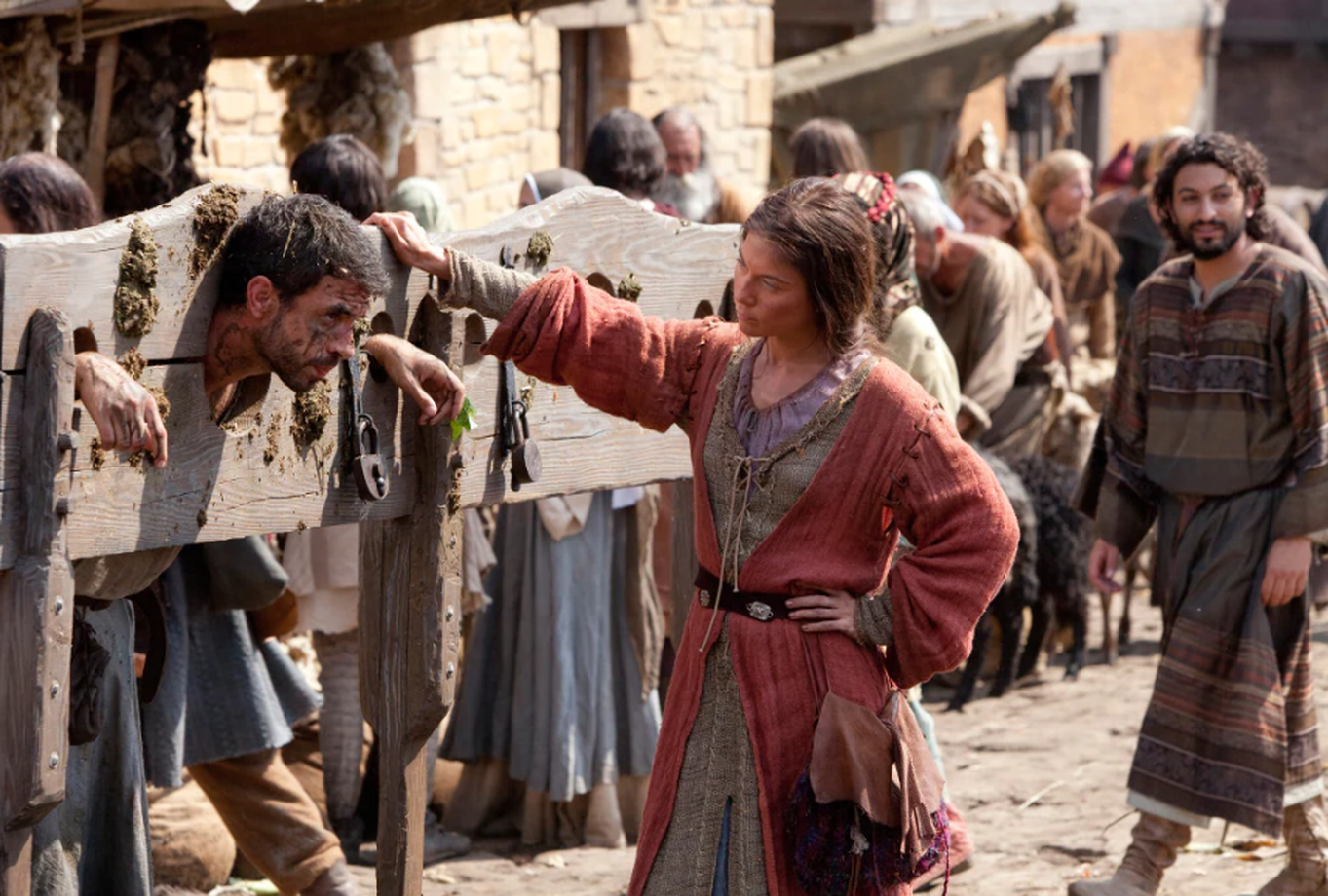
Torture was the order of the day. The Middle Ages was not the golden age of torture, certainly more widespread in the Renaissance. From the late Middle Ages (between 1000 and the discovery of America) it was no longer used indiscriminately. Confessions extracted through the use of burning coals and red-hot iron were discredited by the same ecclesiastical authorities in 1215, when Pope Innocent III forbade the tortures to be supported by blessing, depriving them of the sanctity they had enjoyed until then. The possibility of defense in court has been introduced for the accused. In England the criminal trial was born, with 12 arbitrators acting as a jury for the prosecution by presenting a list of crimes and suspects as part of the recognizance, an early form of judicial inquiry.
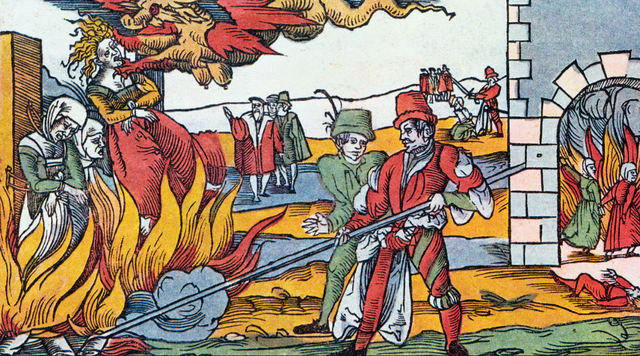
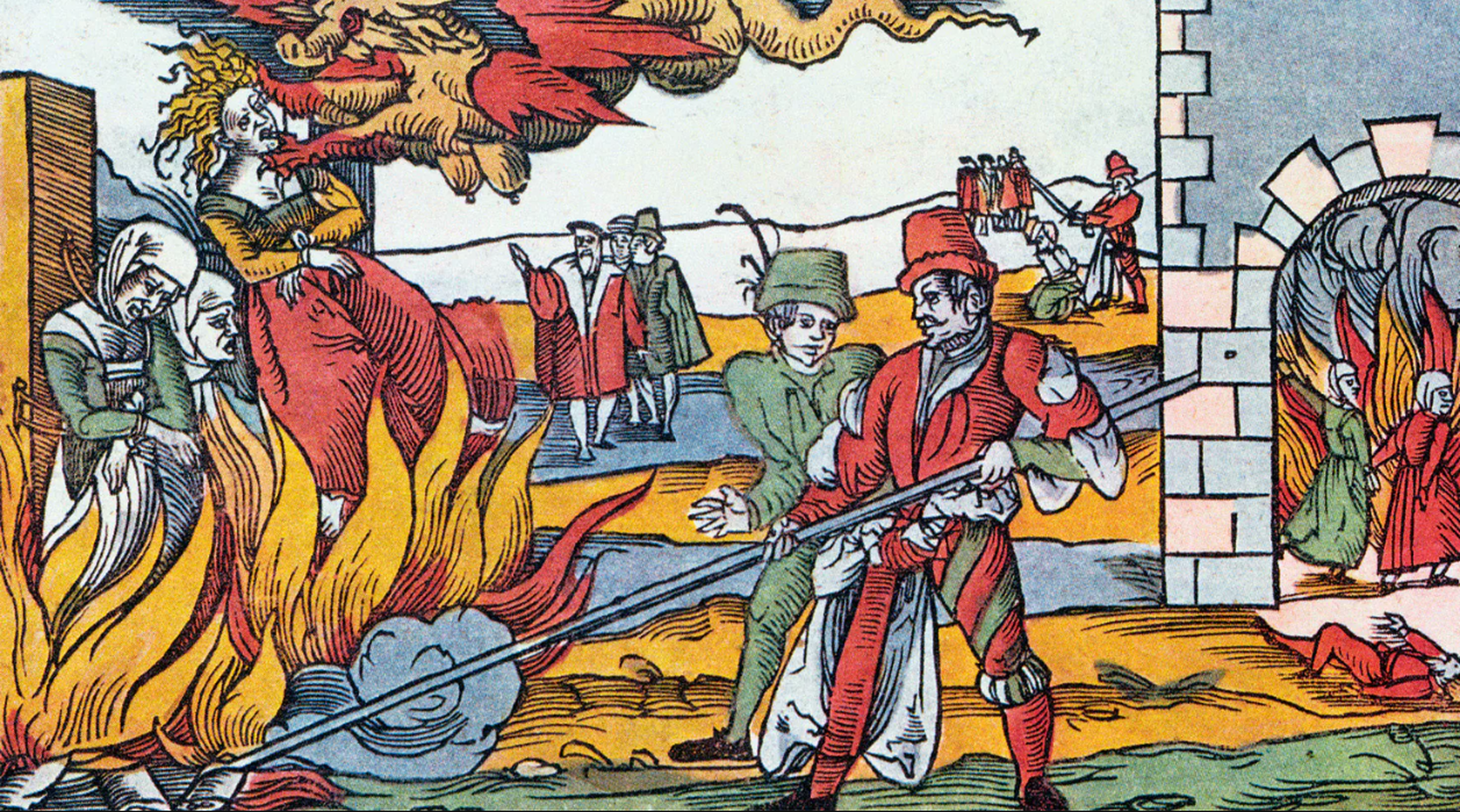
There was a witch hunt. It actually began at the end of the Middle Ages, around 1430, but was nurtured in the following centuries and only reached its peak of cruelty between 1600 and 1800, much later than the end of the Middle Ages. In three centuries of witch-hunting, thousands of women ended up on the gallows on trumped-up charges, condemned for their supposed dealings with the devil. On the contrary, with heretics, the Inquisition was merciless from the thirteenth century on, burning up the lives of those who did not relent to return to the path of the "right faith".

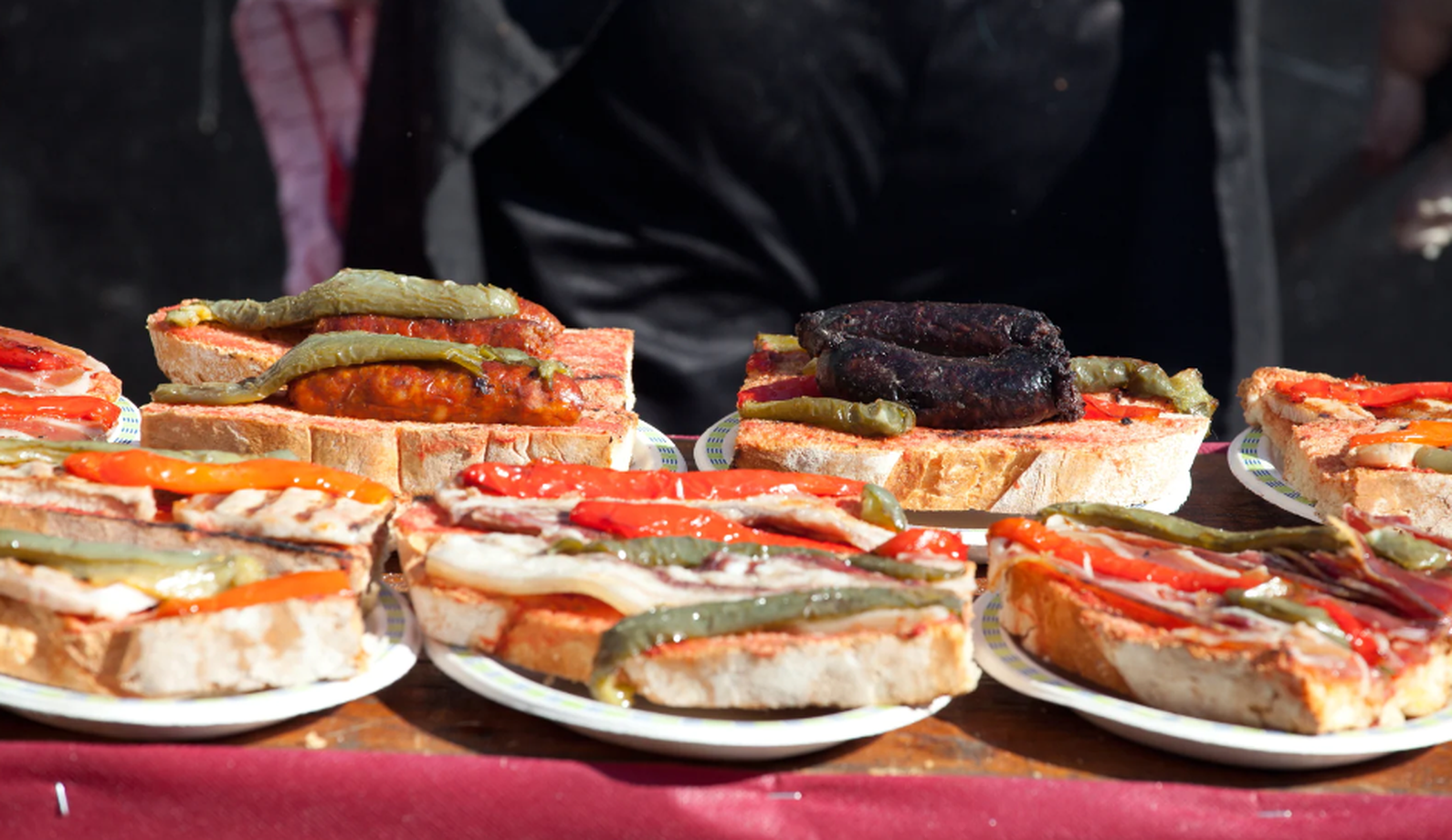
There was little food and always the same. Before the voyages to the New World, there were no bananas, tomatoes, potatoes. Until the 14th century oranges remained almost unknown and there was no chocolate! However, in the Middle Ages, people were not only satisfied with legumes and grains. There was also chicken and pork on the festive table. It must be said that they ate more or less the same ancient dishes, avoiding sweets, except for honey. Thanks to improvements in agriculture and the spread of the plough, food increased after 1000. But famine also reappeared and the population again experienced a demographic collapse between the 13th and 14th centuries.

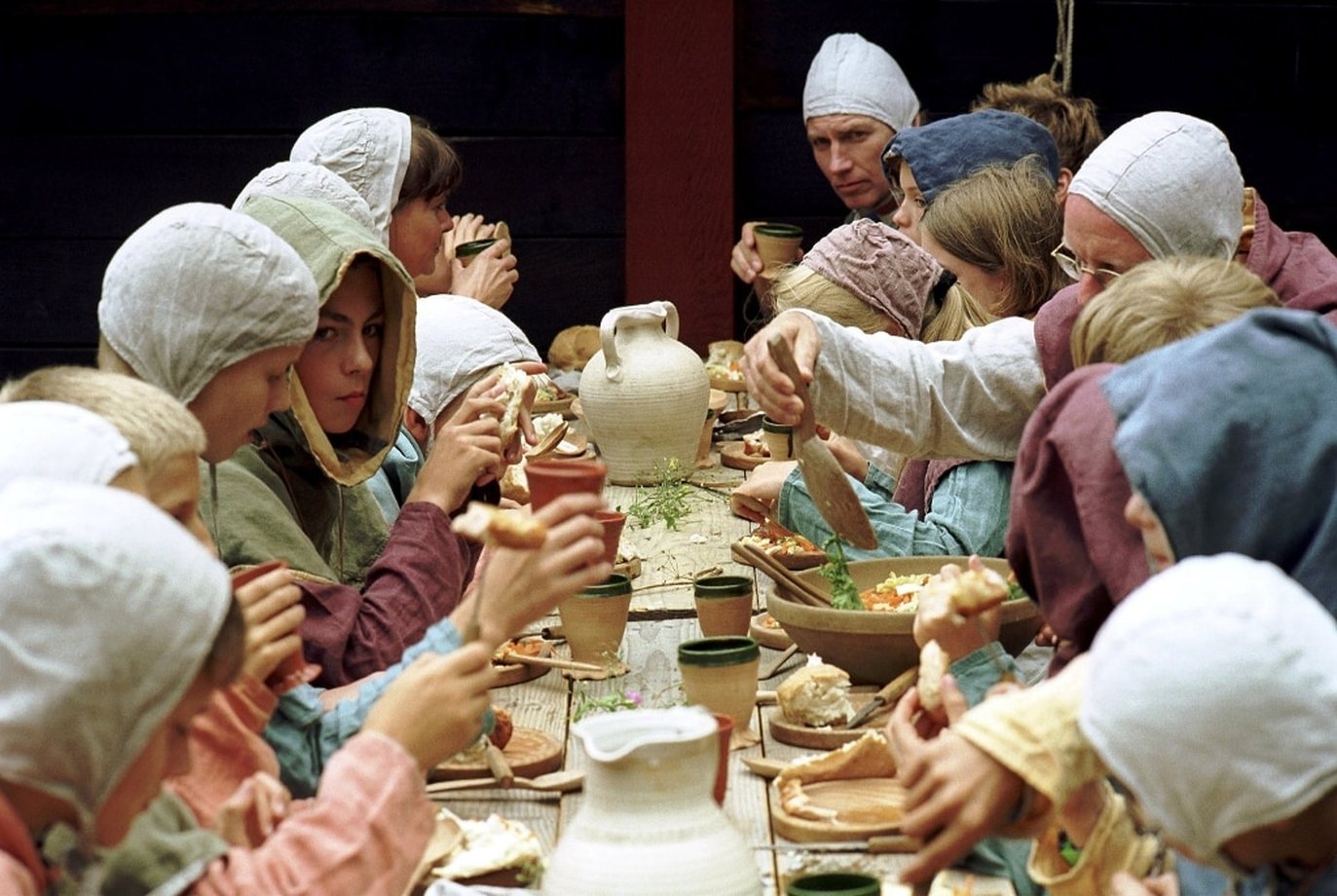
Nuk ekzistonin sjelljet e mira. Banketet e zhurmshme dhe jo shumë “bon ton” që shihni në filma dhe seriale televizive janë kryesisht legjendare. Edhe në tavolinat e mesjetës kishte disa rregulla shoqërore të përbashkëta. Për shembull, ishte një rregull i mirë që një shërbëtor të shijonte pjatat përpara fisnikërisë (për t’u siguruar që ata të mos helmoheshin, por edhe thjesht për një zakon ritual); ose që nëse dikush me gradë më të lartë e kalonte kupën, ajo pranohej si shenjë favori dhe pihej një gllënjkë me radhë dhe pastaj kthehej tek ai. Takëmet ekzistonin, edhe pse ishin pak të përhapura, nga ana tjetër në banketet më fisnike përdoreshin “shpëlarjet e duarve”. Tenxhere me ujë të valuar me barëra aromatike dhe të parfumuara, si sherebela, për të shpëlarë duart.
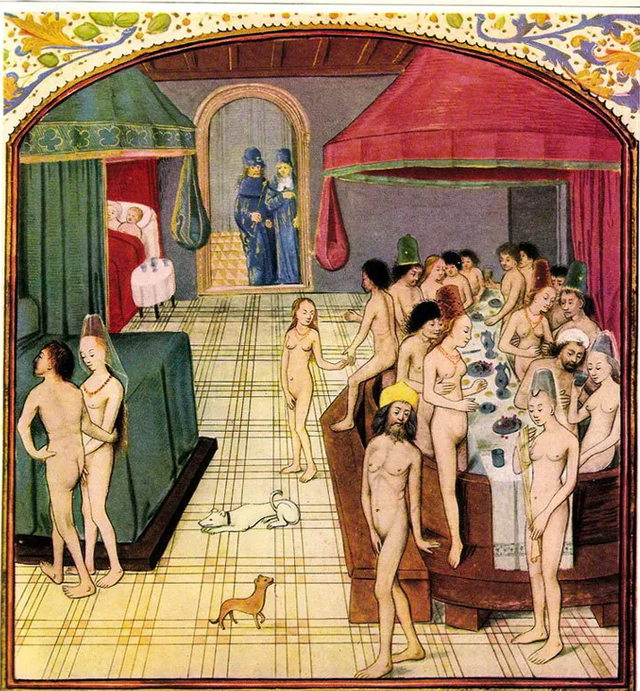
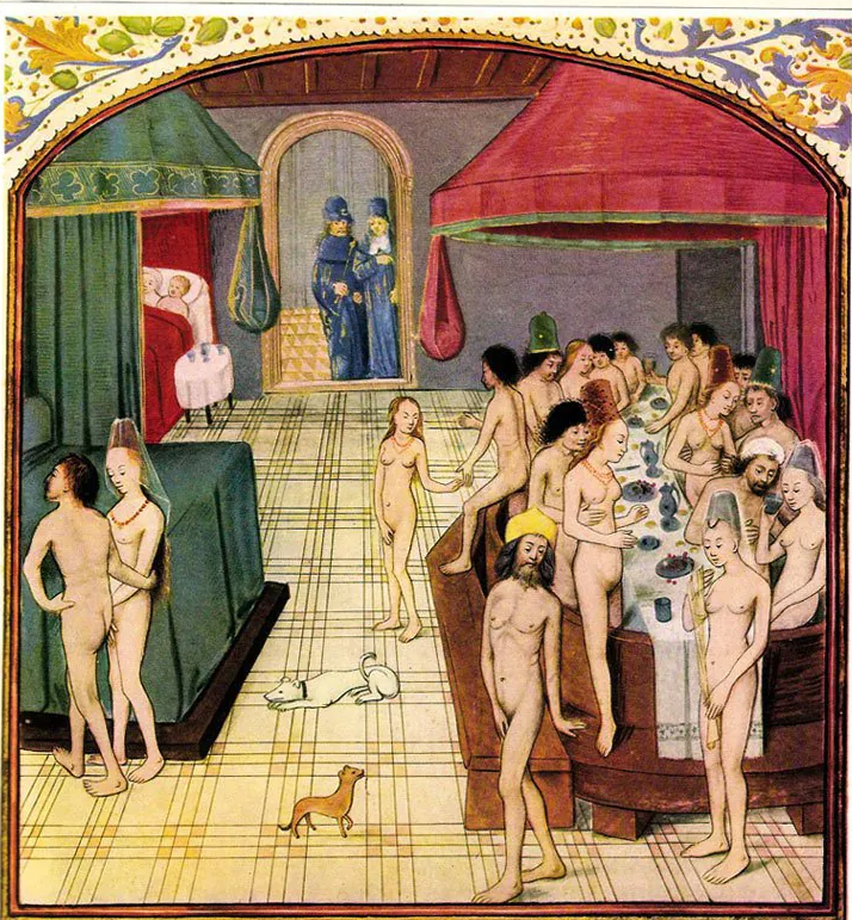
Nuk laheshin shpesh. Ndoshta në mesjetë njerëzit nuk bënin banjë çdo ditë, por vaska, edhe në formën e thjeshtë ishte e zakonshme. Gjatë verës ishin të shpeshta në lumë dhe banjat termale ishin shumë të zakonshme dhe shumë të njohura (në Parisin mesjetar të Filipit II, 1165-1223, kishte deri në 26). Në verë, edhe më të varfrit laheshin lakuriq në lumenj. Edhe zakoni i larjes së duarve para ngrënies ishte i përhapur, si dhe ai i larjes së këmbëve apo veshjes së të brendshmeve të pastra. Besimi se në mesjetë laheshin pak duhet të ketë lindur nga keqinterpretimi i disa rekomandimeve ironike.
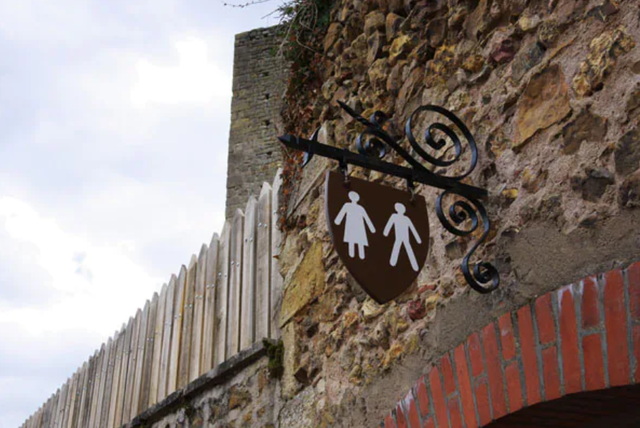
Rrugët ishin kanalizime të hapura. Rrugët e shumë qyteteve mesjetare shumë shpejt u asfaltuan dhe u pajisën me rrjete të mbuluara të ujërave të zeza. Për Regine Pernoud, autore e “Dritës së Mesjetës”: “aty ku nuk kishte kanalizim shkarkimi direkt, ishin krijuar komplekse kullimi, nga të cilat më pas plehrat derdheshin në lumenj (siç bëhet edhe sot) ose digjeshin”. Disa statute komunale të mesjetës, si ai i Marsejës, urdhërojnë pronarët e bizneseve të mbajnë të pastër zonën para derës së tyre dhe të parandalojnë që mbeturinat të arrijnë në port në ditët me shi, me rrugë të pjerrëta. Një shqetësim përfaqësojnë dhitë dhe derrat.

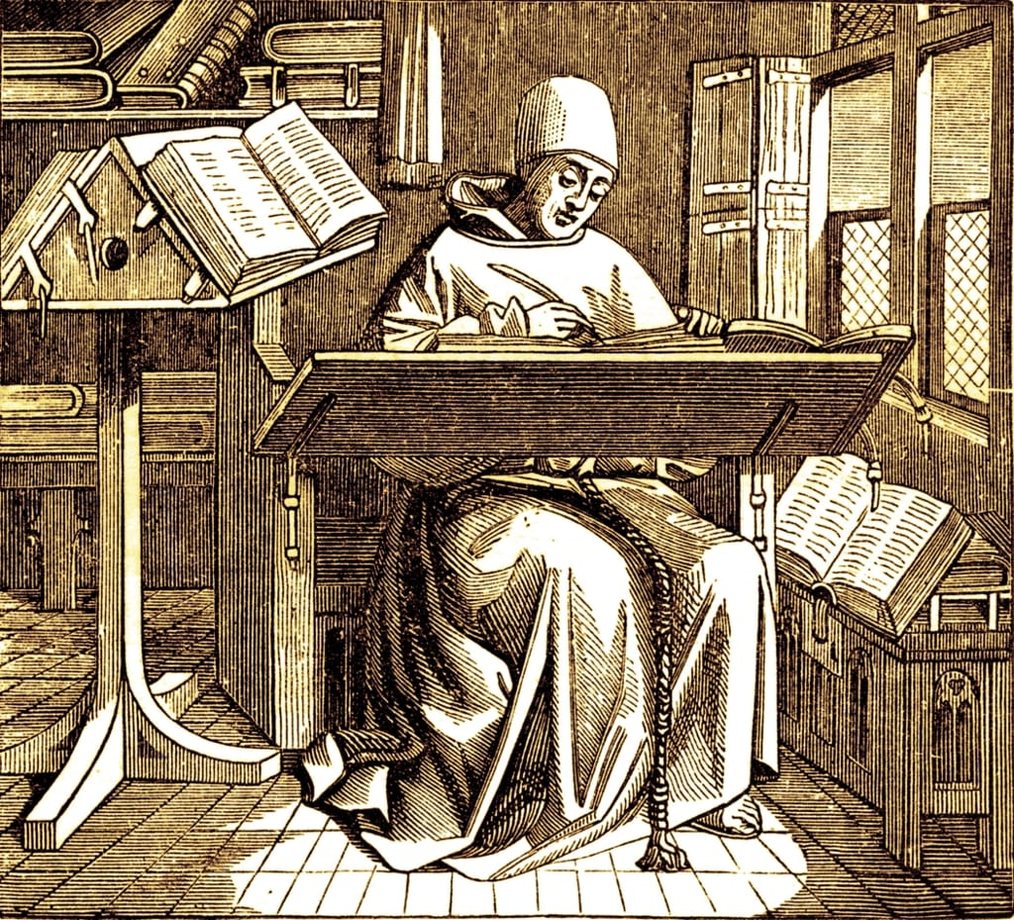
Ata ishin të gjithë injorantë. Pak dinin të lexonin, është e vërtetë, por shumë shkolla fillore kishin lindur në shekullin e 12-të, si në rajonin francez të Champagne. Pa harruar se manastiret ishin qendra të frikshme mësimore për fëmijët e fisnikëve, shpesh edhe për të tregtarëve dhe për të gjithë ata që hynin në rendet fetare. Kanë qenë pikërisht abacitë që na kanë transmetuar njohuritë e lashta.
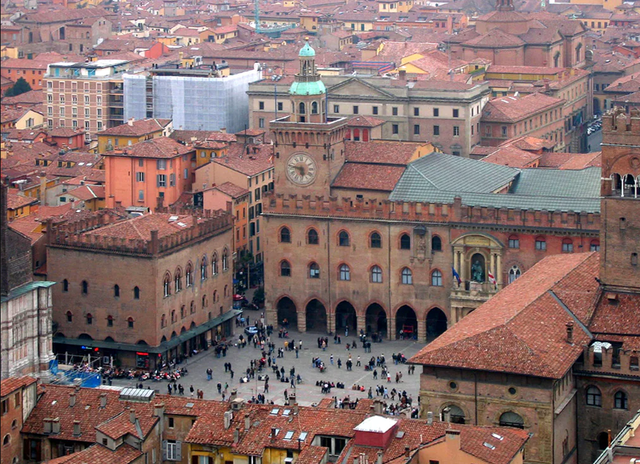
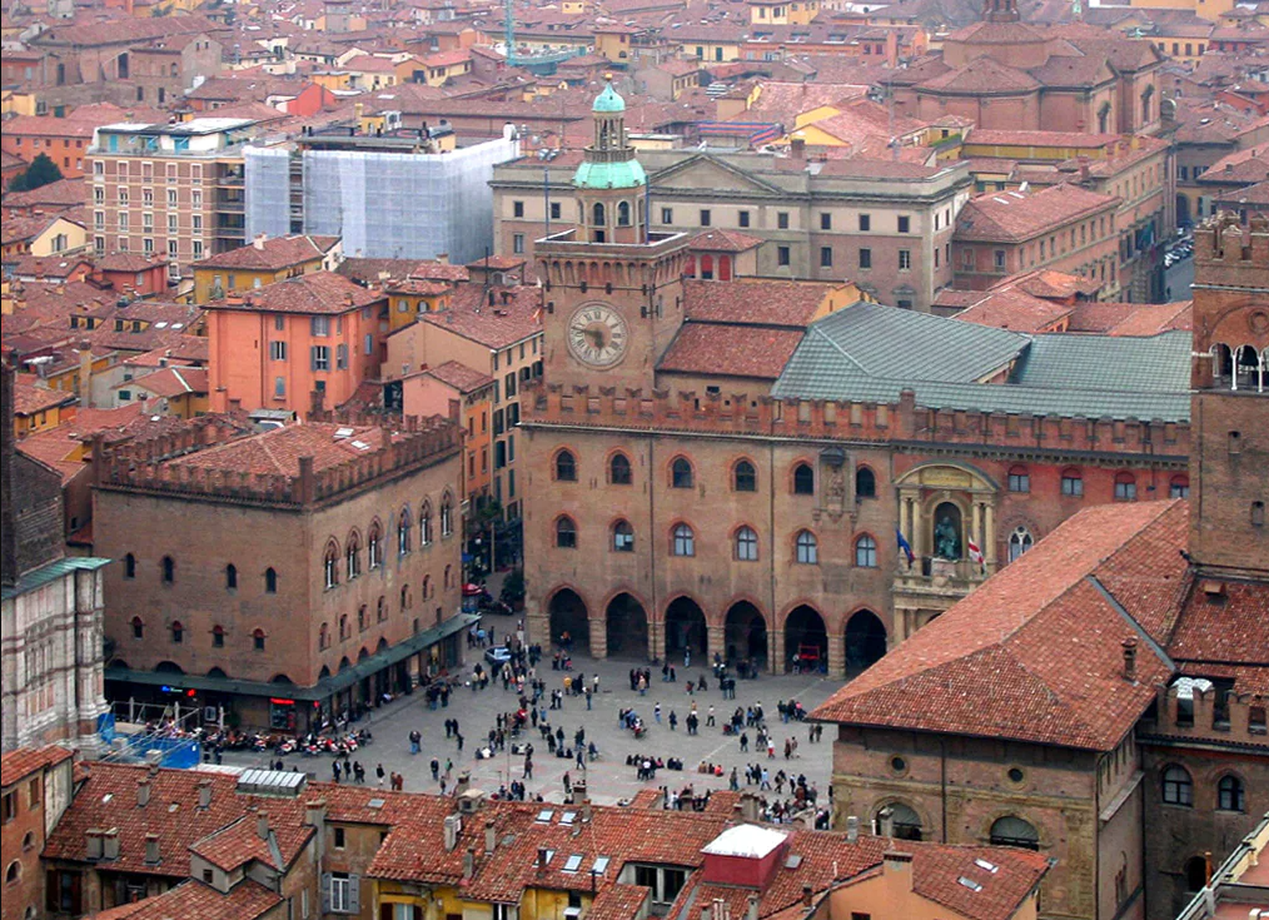
Kultura përjetoi një involucion. Në të vërtetë, universitetet kanë lindur në mesjetë (i pari, ai i Bolonjës, në 1088), shkollat e mjekësisë dhe ato të teologjisë. Fëmijët shkonin në shkollë, zakonisht pranë kishës dhe arsimi para Universitetit, për ata pak që e bënin, zgjati rreth dhjetë vjet. Nuk ishte e pazakontë që fëmijët e klasave të ndryshme shoqërore të studionin së bashku dhe për ata nga familje më pak të pasura, arsimi shpesh ishte falas. Filozofia skolastike e bazuar në rileximin e mendimit të Aristotelit u zhvillua midis qendrave kulturore universitare të Parisit dhe Oksfordit dhe u hodhën themelet për përpunimin e metodës shkencore që do të zyrtarizohej më vonë nga Galileo Galilei.

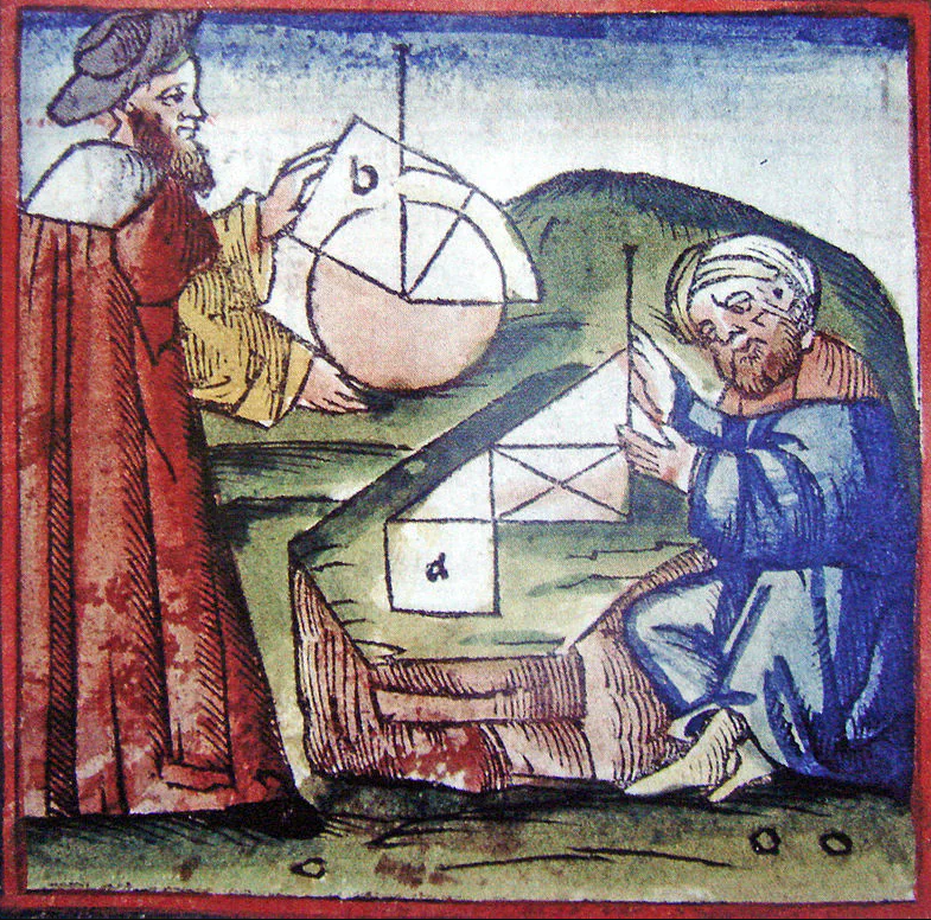
Kishte vetëm të krishterë dhe të bardhë. Natyrisht që nuk ishte kështu, por është e zakonshme të mendohet në këto terma të qytetarit mesatar të mesjetës. Në realitet, në zona të ndryshme gjeografike si në Gadishullin Iberik, ekzistonte një bashkëjetesë paqësore midis hebrenjve, myslimanëve, të krishterëve dhe përfaqësuesve të besimeve të tjera. Pikërisht kjo përzierje e njohurive shkaktoi kontaminime themelore shkencore. Mjafton të mendoni për njohuritë arabe në aspektin e mjekësisë, matematikës dhe astronomisë. Në përgjithësi, ishte më e lehtë të diskriminoheshe për arsye fetare sesa për arsye që lidhen me ngjyrën e lëkurës. Në foto, një evropian dhe një arab po praktikojnë gjeometrinë: një miniaturë nga një dorëshkrim i shekullit të 15-të.
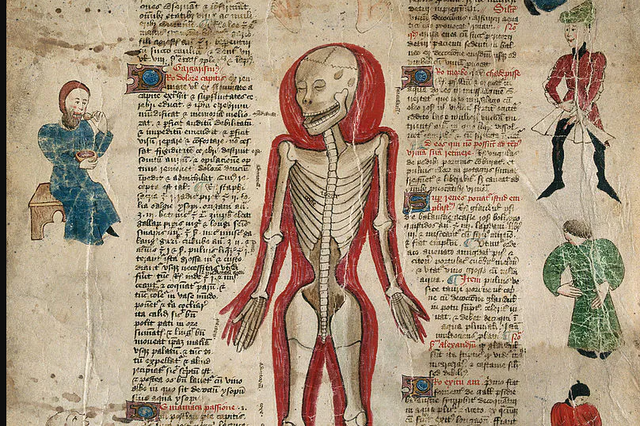
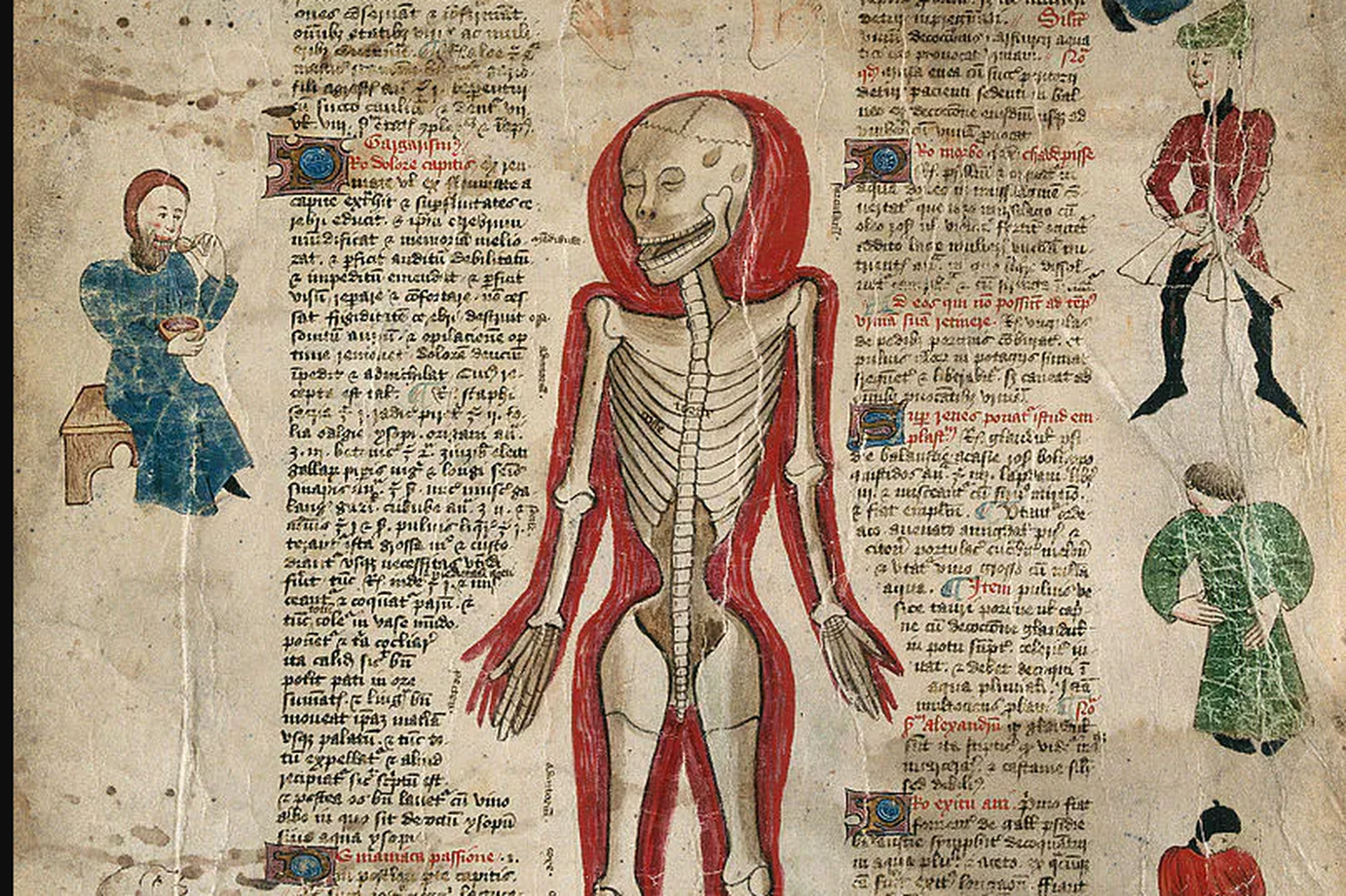
Mjekësia bazohej në besëtytni të pastra. Edhe nëse në shumë raste diagnozat shqetësonin astrologjinë dhe teoritë humorale (të cilat e shihnin çdo ndryshim të shëndetit si një çekuilibër midis katër humoreve përkatësisht të trurit, gjakut, shpretkës dhe mëlçisë), disa trajtime ndiqnin një logjikë pothuajse moderne. Për shembull ai që përfshinte trajtimin e dhimbjeve të veshit me infuzione kamomili, ose përdhes me kolkikum (një bimë helmuese). Shumë berberë u shndërruan në dentistë ose kirurgë për operacione të vogla nëse ishte e nevojshme.

Ishin vetëm njerëzit që paguanin. Sigurisht, figura e sherifit të Nottingham-it që zhvat të varfrit e mbrojtur nga Robin Hood nuk është larg realitetit. Zotëria paguhej mirë për mbrojtjen e tij, kërkoi një haraç për përdorimin e mullirit, ose kërkoi në këmbim të shërbimeve për kështjellën. Pastaj ishte e dhjeta për Kishën, e cila u bë ligj në shekullin e tetë.
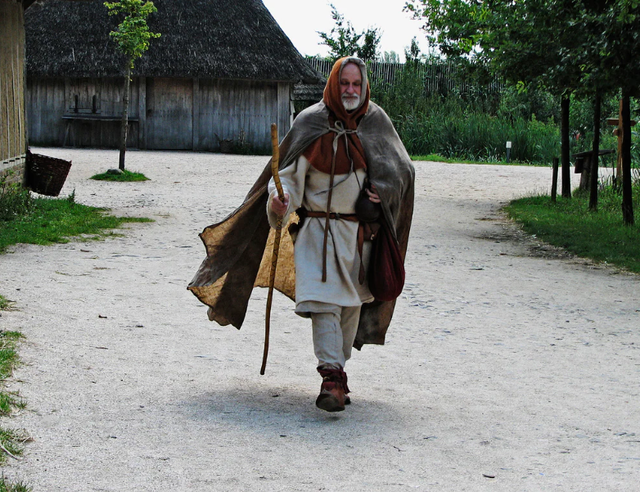
Në mesjetë njerëzit nuk udhëtonin. Edhe në mesjetë, njerëzit me më pak mundësi lindnin dhe vdisnin gjithmonë nën të njëjtin qiell, pa u zhvendosur kurrë nga vendi i origjinës. Në realitet njerëzit udhëtonin edhe në këtë periudhë, gjatë pelegrinazheve që mund të kërkonin edhe mijëra km, ose për biznes dhe tregti. Mëndafshi importohej nga Kina, erëza nga Azia, qelibar dhe gëzof nga Balltiku. Disa eksplorues të guximshëm treguan aventurat e tyre në udhëtime, si kleriku flamand dhe misionari William of Rubruck që tregoi udhëtimin e tij aventuresk 3-vjeçar, i cili filloi në 1253, në Rusinë dhe Ukrainën e sotme.

Njerëzit vdisnin në moshën 35-vjeçare. Në arsyetimin e sotëm, është vdekshmëria shumë e lartë foshnjore e regjistruar në Mesjetë ajo që uli jetëgjatësinë mesatare të kohës. Por në realitet, nëse një burrë i mbijetonte foshnjërisë dhe arrinte moshën madhore, ai kishte një shans të mirë për të jetuar deri në moshën 60, 70 vjeç dhe ai nuk konsiderohej i vjetër deri pas të 50-tave.

Gratë nuk kishin të drejta. Gratë feudale mund të zotëronin toka, të bënin testament, të lidhnin kontrata, të paditnin. Këto të drejta humbnin përkohësisht me martesën, së bashku me forcimin e rolit të femrës në shtëpi. Por gratë me status më të ulët, që ishin objekt abuzimi dhe të lindura me thirrje për martesë (ose për të votuar); nuk është e vërtetë që ato nuk mund të punonin në aktivitete tregtare apo dyqanesh, në rast se nuk ishin të martuara apo mungonte bashkëshorti. Mirëpo, me martesën, gruaja hyri në shërbim të një familjeje tjetër dhe filloi të bënte fëmijë, me rrezikun e vdekjes në lindje dhe barrën e kujdesit për pasardhësit.
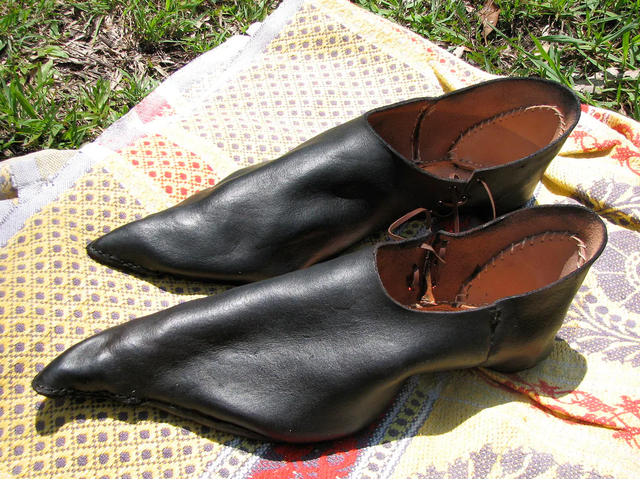
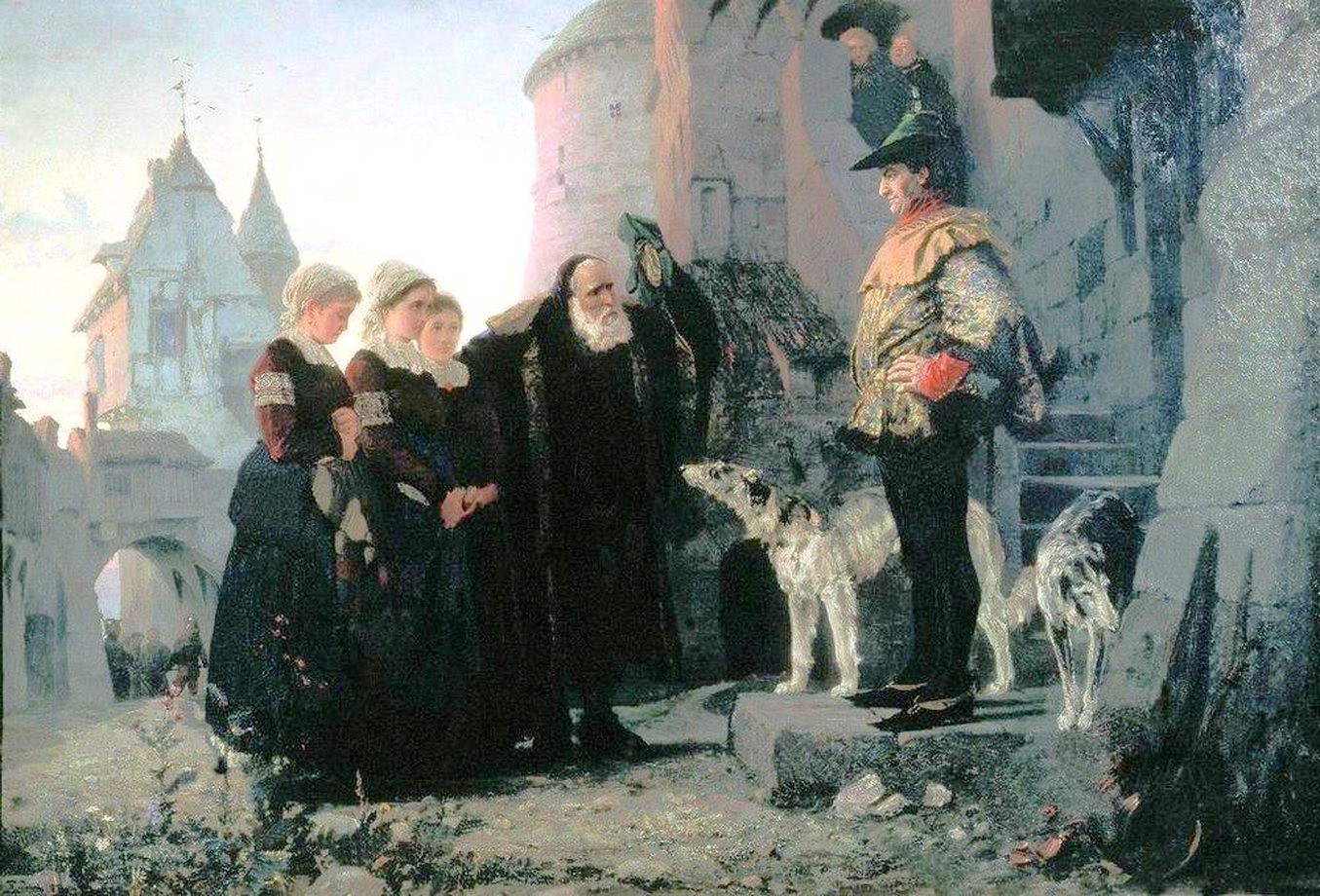
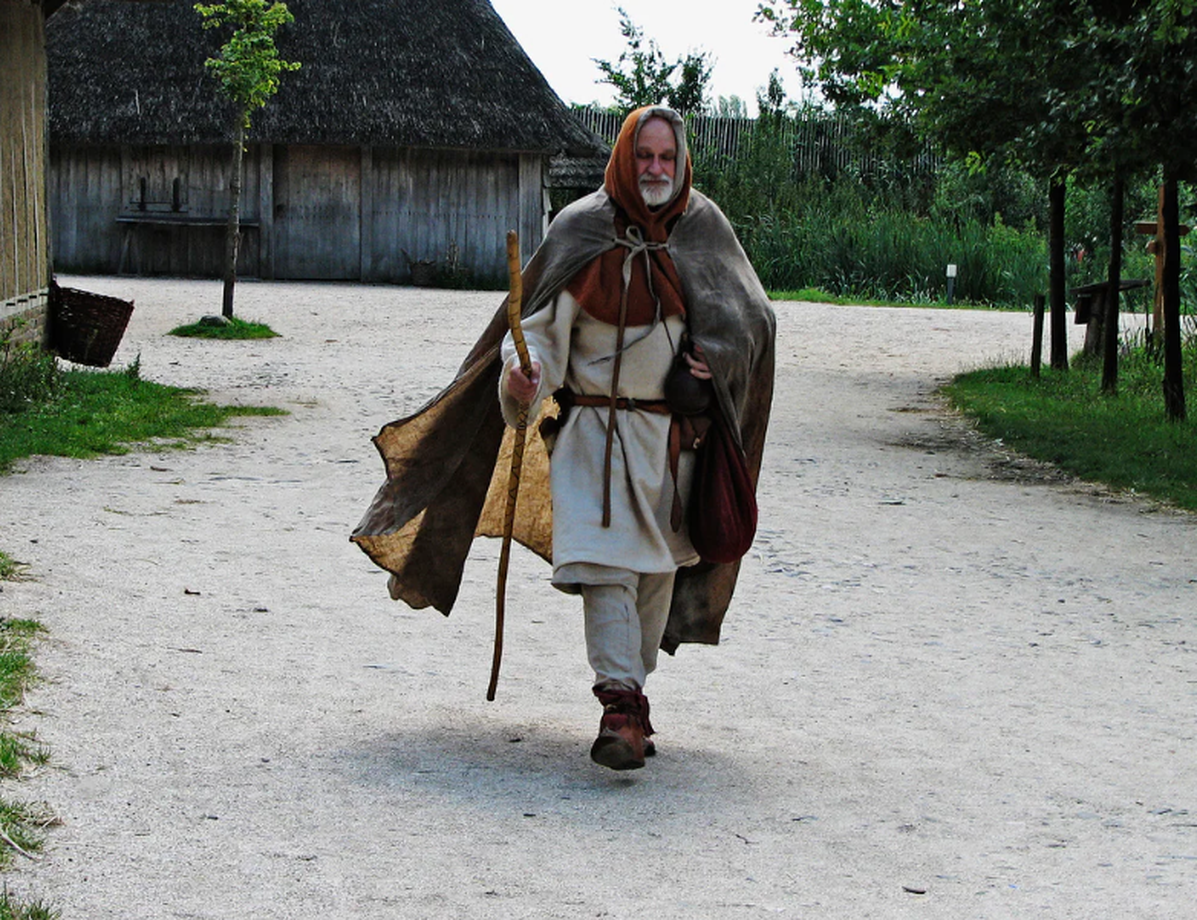
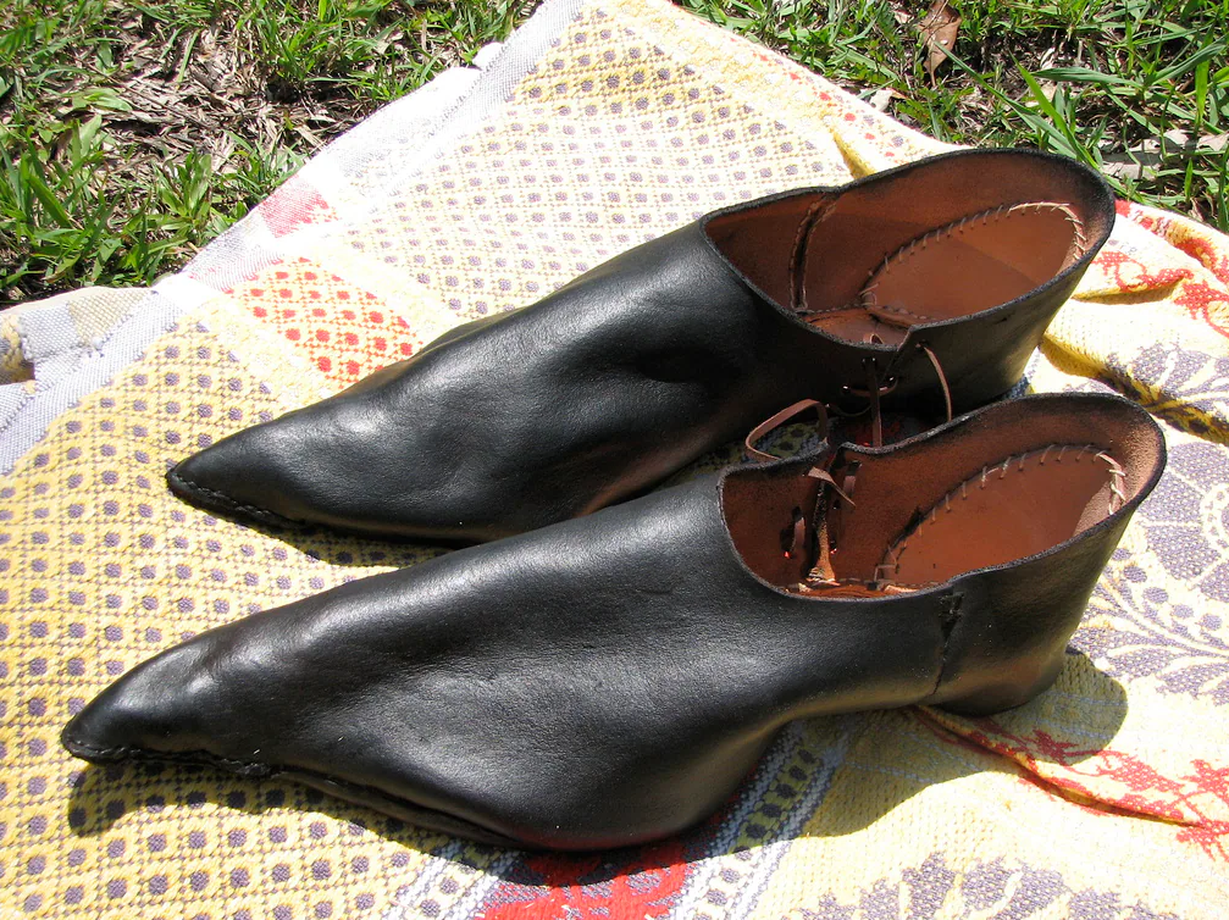
They wore eccentric clothes. For Regine Pernoud, author of "Light of the Middle Ages", the picturesqueness or eccentricity of the medieval costume should not be exaggerated. Some details of clothing that are inevitably associated with the paintings of the time were worn only on exceptional occasions: Polish shoes (such as those in the photo) were fashionable only for a fifty years, no more, during the fifteenth century, i who saw quite a few exaggerations in clothing". Personal underwear was worn by the nobles and the bourgeoisie and they loved colors and not dark shades.