Is this police force professional and capable of handling violen...
/ 2026-10-16 18:54:07Focus


By Andrew Roth – The Guardian
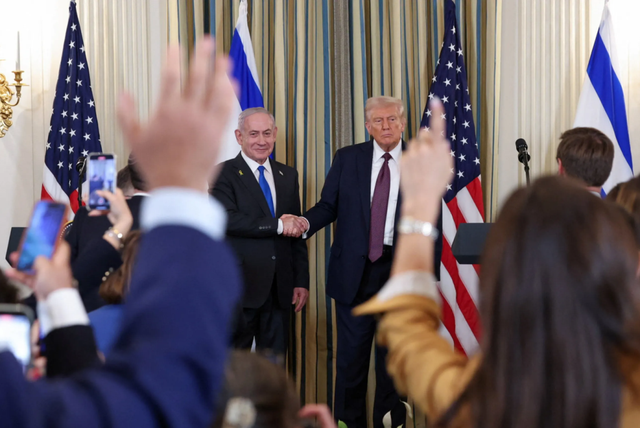
For Donald Trump, a peace agreement or even a lasting ceasefire between Israel and Hamas could be the greatest diplomatic achievement of his presidency.
The details and sequence of an agreement to end the war in Gaza still remain unclear, but the fact that both Israel and Hamas have expressed a common statement of intent is significant.
By agreeing to a deal with political support from Arab countries and regional powers, it is seen as the best chance to end the war since the failure of a March ceasefire, which plunged Gaza back into a grueling war that has left almost 68,000 dead, most of them civilians.
There have been repeated attempts at a deal since then, but never has it come this close. The first phase of the peace plan, as Trump called it in a post on Social Truth on Wednesday, is straightforward: the release of hostages held by Hamas in exchange for a limited withdrawal by the Israeli military. But finding all the hostages and managing the Israeli withdrawal remains a complicated process.
In typical Trumpian style, even hopes are expressed in hyperbole. “All hostages will be released very soon, and Israel will withdraw its troops to an agreed-upon line as the first step toward a Strong, Sustainable, and Lasting Peace. All parties will be treated fairly!” he wrote.
However, many issues remain open. The administration's proposed 20-point peace plan attempts to balance creating the conditions for a ceasefire with negotiating a lasting solution to the conflict. Difficult issues, such as the future of Hamas and whether the group will disarm, or Israel's vision for the future of Gaza, have yet to be resolved.
This is not the first time the Trump administration has tried to broker such a deal. Even before its inauguration, it had rushed to negotiate an end to the war in Gaza, but a January ceasefire collapsed due to disagreements over how to release hostages remaining in Hamas hands.
This time, the timing is critical. As Trump spoke at a roundtable on “anti-antifa” on Wednesday afternoon, Secretary of State Marco Rubio handed him a note: “We’re very close. We need you to post on Truth Social as soon as possible so you can be the first to announce the deal.”
No one said Israel’s war in Gaza should end with an Oslo-style agreement or lengthy diplomatic negotiations. This is a different moment, with an impulsive and deeply partisan American president who has nonetheless used his unpredictability to keep allies and adversaries alike on edge.
Trump is reportedly motivated by a desire to be seen as the first US president since Barack Obama to receive the Nobel Peace Prize. The award ceremony is held on Friday, and the desire to give Trump a diplomatic “victory” appears to have influenced political calculations both in Washington and in the Middle East.
Tensions, however, remain high. Hamas has called on Trump and other parties to ensure that the Israeli government fully implements the terms of the agreement. The main fear is that Israel could resume the offensive once the hostages are released.
“We will never abandon the national rights of our people until we achieve freedom, independence and self-determination,” the group said, indirectly referring to Palestinian statehood, an idea rejected by Netanyahu and dismissed by the White House.
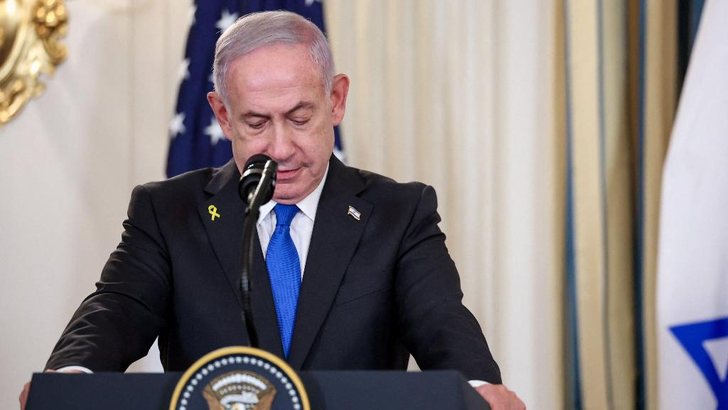
The Israeli prime minister, for his part, faces intense political pressure. On Thursday, he said he would convene a cabinet meeting to approve the deal and bring the hostages home. But he faces hard-line ministers such as Bezalel Smotrich and Itamar Ben-Gvir, who have threatened to topple the government if the ceasefire is accepted.
Trump, on the other hand, has chosen a strong approach. He reportedly told Netanyahu: “I don’t know why you’re always so damn negative… This is a victory. Accept it.”
The US president is expected to travel to the region this weekend to sign the deal, in an attempt to seal what could be his greatest diplomatic success. But the path to peace in Gaza is still uncertain, and any mismanaged detail could turn this “victory” into another setback for his administration.