Is this police force professional and capable of handling violen...
/ 2026-10-16 18:54:07Focus


The Institute for Municipalities has just published its annual monitoring report, which notes an uneven distribution of public services between urban and rural areas.
The report singles out as one of the biggest problems currently the differences and unequal distribution of public services in urban and rural areas.
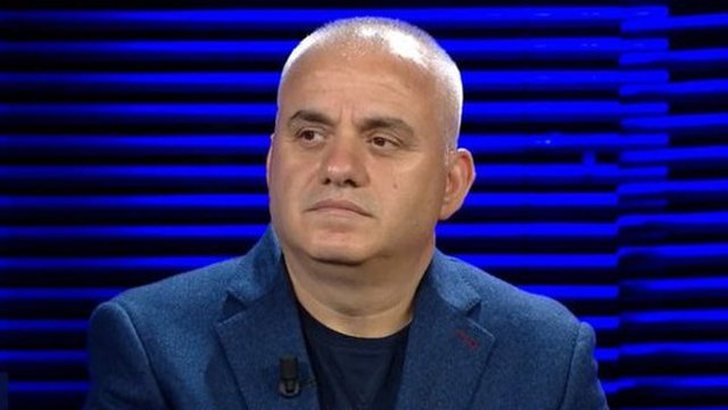
The author of the study and the head of the Institute for Municipalities of Albania, Agron Haxhimihali, says that the differences in public services from urban to rural areas, where 30-40 percent of the population live, is very large.
The main defects that the monitoring report for 2022 notes are mainly related to the unequal distribution of services between urban areas and rural areas. This is an extremely big problem.
We have found it several times, it is also a finding of the World Bank in the last report on Albania, which says that there is inequality and that public services, after the territorial reform, have been completely neglected', says Mr. Haxhimihali.
In the annual monitoring report on local government, the Institute for Municipalities of Albania proposes to reassess the state of local government from an administrative point of view, because many of the medium and small municipalities do not perform their functions to the proper extent. 'The inequality of services must be reviewed.
The high number of residents in the cities and the smaller number in the peripheral areas should not violate the constitutional and democratic obligation, that the citizens should be guaranteed the same conditions and standards of living by the services for a citizen in Konispol and for another in Has or in Trope.
From these areas, the biggest displacement is also happening, so we have municipalities in the districts of Gjirokastra, Berat, Kukes, Dibra that are being emptied every day and empty places, areas, villages are being created.
The government should take this to concentrate more attention, services and investments to prevent this movement as democratically as possible', added Mr. Haxhimihali.
Një tjetër problem që vëren raporti është çështja e përfaqësimit në këshillat bashkiakë të njësive administrative të zonave rurale. Në raport thuhet se banorët e njësive në zonat rurale nuk kanë përfaqësimin e duhur në këshillat bashkiakë.
Zoti Haxhimihali thotë se edhe për zgjedhjet vendore që po afrohen më 14 maj, partitë politike nuk e kanë zgjidhur këtë shqetësim. Po ashtu, të ardhurat nga vet bashkitë nuk janë përmbushur sipas parashikimeve.
Pushteti vendor është i nënfincuar si dhe i mungojnë 30-40 për qind e të ardhurave potenciale. Vështirësitë ekonomike, mospërfaqësimi dhe shërbimet e dobëta në zonat rurale, thekson zoti Haxhimihali, kanë ndikuar shumë në largimin e të rinjve nga vendi.
‘Është krijuar një hendek i madh në të gjithë dimensionet, por kryesisht në humbjen e fuqisë punëtore. Atje nuk ka kush të punojë, atje është kapitali; tokat bujqësore, pyjet, kullotat, livadhet, burimet ujore, por nuk ka kush të angazhohet me to.
Po ashtu njerëzit e shkolluar që po ikin tani nga ato zona. Nëse do të vazhdojë kështu, atëherë problemet do të thellohen dhe në këto zona rurale, ku do të mbeten mosha të treta, ndërsa rinia do t’i bashkohet stresit urban’, thotë autori i raportit mbi qeverisjen vendore.
Raporti thekson se numri i punonjësve në administratën vendore është rritur dukshëm. Numri i punonjësve të bashkive është rritur vitin e fundit me 1 mijë e 800 persona, ndërsa gjithsej sot janë 38 mijë punonjës të pushtetit vendor, kundrejt 22 mijë punonjës të 10 vjetëve më parë.
Mr. Haxhimihali says that such a high number of employees is not necessary and a smaller and more effective local government is needed.
Even the population and housing census and new statistics affirm the experts of the Institute for Municipalities of Albania will help new social policies and new public services.
According to them, a recategorization of local government is needed, because an unreasonable diversity has appeared between urban, semi-urban and rural municipalities./ VOA