"Condemned" protesters?! Who trapped Rama inside the Prime Minis...
/ 2026-10-23 16:02:00Focus


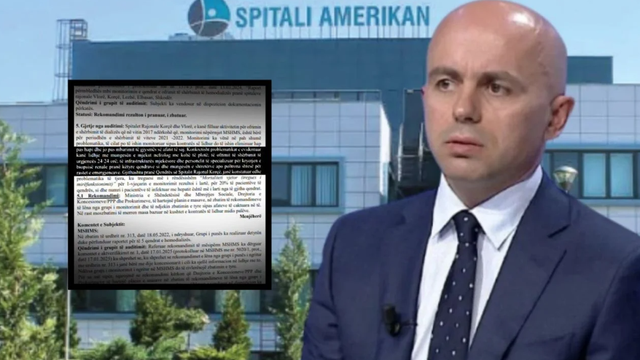
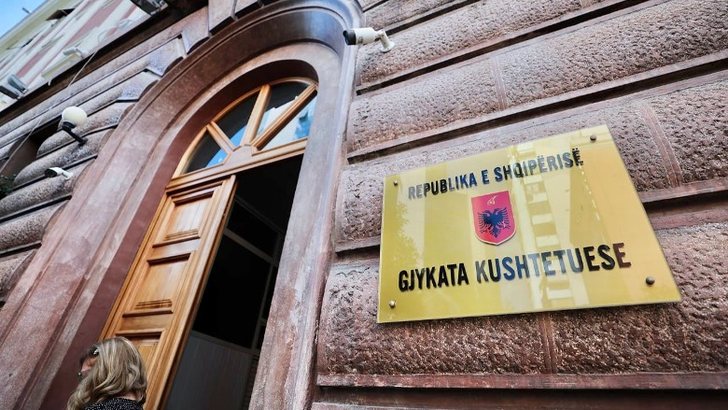
The Supreme State Audit Office has discovered violations and abuses, including double payments, in the hemodialysis service, which is provided by concession from the state to patients with renal problems in 5 centers such as Shkodër, Vlorë, Lezhë, Elbasan and Korçë.
The five centers were given under concession to the Dia Vita company owned by businessman Klodian Allajbeu, also the owner of the private American hospital, which, according to the audit conducted by the Albanian Supreme Audit Institution, received payments from the state even when it did not provide dialysis services.
The Albanian Supreme Audit Office (KSAI) has published the case of a citizen who was undergoing dialysis sessions at the concession center in Lezha.
It turns out that the patient had changed his place of residence and received dialysis services at a non-public hospital, which has a contract with the Mandatory Health Care Fund and is paid for this.
But on the other hand, the Fund has also paid the Lezha center, where the citizen previously received this service. The audit has found that the concessionaire's reports on dialysis sessions were made based on projections and not on actual dialysis sessions performed by patients, causing Allajbeu to deposit money from the state budget into its coffers, even for services that were not provided.
In the concessionaire's hemodialysis centers, the SAI audit found that there was no full-time nephrologist employed, essential for patients with renal problems, but only part-time.
They also did not have a dietitian for the food that dialysis patients should consume.
On the other hand, the concessionaire's hemodialysis centers do not accept patients with acute renal problems who need urgent dialysis sessions, but they are sent immediately to the nephrology service at the QSUT, causing patients to be stranded even in cases when they have an emergency.
The hemodialysis concession, which was initially valued by the state at $86 million, is for 10 years and stipulates that in the last 4 years the concession company, in this case Dia Vita, must invest in the purchase of new hemodialysis equipment, which will remain the property of public hospitals at the end of the contract.
According to the KLSH report, this investment has not even started, while the contract ends in March 2026.
The SAI reports that the concessionaire's dialysis centers were not monitored for either the costs or the quality of the service they provided.
And with just a few months left until the end of this concession, there is no report on its cost-efficiency./ TCH