Is this police force professional and capable of handling violen...
/ 2026-10-16 18:54:07Focus


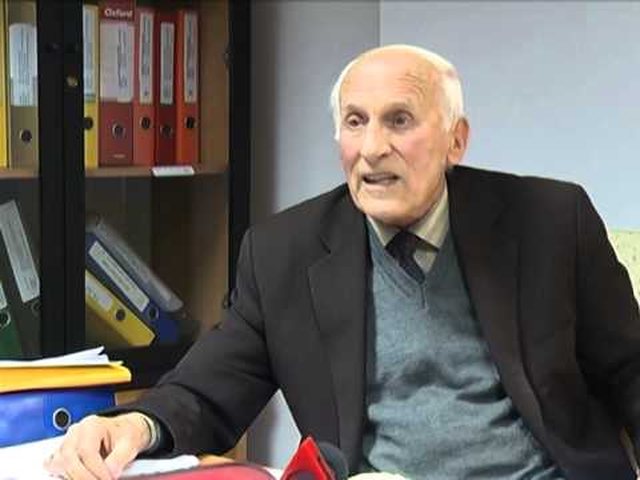
One of the personalities of justice in Albania, Njazi Jaho , spoke in an interview regarding the issue of cages in courtrooms, which he states violates dignity, is inhumane treatment, violates the presumption of innocence, and hinders free communication with the lawyer, citing 3 specific cases.
He also rejects the claim that the placement of detained defendants in cages is within the competence of the General Directorate of Prisons.

According to him, the Code of Criminal Procedure does not mention any cases when a detainee, by decision of the Court, can be placed in a cage.
"No, this is not mentioned in any article of the Code of Criminal Procedure. I think this is the reason why the court, regarding this issue, does not refer to the Code of Criminal Procedure nor to any other legal act or the practice of the Strasbourg Court," he says.
Interview:
- Mr. Jaho, on May 11, 2026, at the Special Court Against Corruption and Organized Crime, courtrooms, judges' offices and other facilities were inaugurated according to the American model. Glass cages were also placed in the hall where detainees accused of committing various crimes will be held during the court hearing. The defense lawyers of the defendants: Ilir Beqaj, Ilir Meta and Erjon Veliaj, have opposed the introduction of their representatives into the cage. The Albanian Helsinki Committee (AHC) on April 22, 2026, in a public statement, stated that the cage is not provided for in the laws and contradicts the decisions of the Strasbourg Court.
Many citizens are unclear about the placement of cages. In terms of law, constitution and ECHR practice. Can you express any opinion?
Jaho: Our Constitution states that “every person deprived of their liberty has the right to humane treatment and respect for their dignity” (Article 28, paragraph 5 of the Constitution). The principle of the presumption of innocence and due process of law are addressed in Articles 30 and 42, paragraph 2 of the Constitution, respectively. Criminal procedural legislation has the duty to ensure equal rights, protect the legitimate interests of citizens and implement the Constitution.
- Does the Criminal Procedure Code foresee the case or cases when a pre-trial detainee, by decision of the Court, can be placed in a cage?
Jaho: No, this is not mentioned in any article of the Code of Criminal Procedure. I think this is the reason why the court, regarding this issue, does not refer to the Code of Criminal Procedure nor to any other legal act or the practice of the Strasbourg Court.
- Është thënë se vendosja në kafaz e të pandehurve të paraburgosur është në kompetencën e Drejtorisë së Përgjithshmë të Burgjeve, ngarkuar me detyrën e shoqërimit të tyre në Gjykatë (në sallat ku ata gjykohen). A është kështu?
Jaho: Këtë e kam dëgjuar, por nuk e kam besuar. Në ligjin nr. 81/2020 “Për të drejtat dhe trajtimin e të dënuarve me burgim dhe të paraburgosurve”, bëhet fjalë për shoqërimin që përmendëm më lartë, ndërsa drejtimi i seancës gjyqësore bëhet nga Kryetari i Trupit të Gjykatës. Urdhrat e tij për ruajtjen e rendit e të qetësisë në seancë janë të detyrueshme për palët dhe pjesëmarrësit në gjykim (Pika 1 e nenit 341 të K.Pr.P).
- Si vepron gjykata në rastet kur nuk zbatohen urdhrat e saj, kur kryhen fyerje apo kërcënime të ndryshme?
Jaho: Në raste të tilla ajo paralajmëron personin ose personat përkatës që kryejnë veprime të tilla dhe kur ata nuk binden, gjykata mund të caktojë gjobë deri në shumën 30,000 lekë. Nëse shkelja përsëritet kjo përbën shkak për largimin nga salla (Pika 1 e nenit 341 të K.Pr.P).
- Po në rastet kur i pandehuri pengon zhvillimin e seancës, pavarësisht nga marrja e masave të mësipërme, si vepron gjykata?
Jaho: Në raste të tilla, gjykata mund të urdhërojë largimin e tij nga salla për një kohë të caktuar. Nëse, edhe mbas kthimit të tij në sallë, ai vazhdon të pengojë zhvillimin normal të gjykimit, ajo mund të urdhërojë largimin e tij deri në shpalljen e vendimit (Pika 3 e nenit 344 të K.Pr.P). E shikojmë të nevojshme të përmendim edhe dy momente: së pari sipas pikës 3 të nenit 339 të K.Pr.Penale “Ndalohet prania në seancë e personave të armatosur me përjashtim të pjesëtarëve të ruajtjes së rendit”, dhe së dyti sipas pikës 1 të nenit 344 të K.Pr.Penale “I pandehuri merr pjesë në seancë si person i lirë edhe kur është i paraburgosur me përjashtm të rasteve kur duhen marrë masa të domosdoshme për të parandaluar rrezikun e ikjes ose të dhunës”. Kam mendimin se nëse do të ishte e ligjshme vendosja e të paraburgosurve në kafaz, do të duhej që për këtë të bëhej fjalë në K.Pr.Penale duke përmendur, shkaqet, rastet, kriteret etj.
- Në inagurimin që u bë para disa ditëve me rastin e rikonstruktimit të ambienteve të Gjykatës së Posaçme kundër Korrupsionit dhe Krimit të Organizuar, ku ishin të pranishëm Kryetari i kësaj Gjykate, Ministri i Drejtësisë etj., u përmend edhe çështja e kafazit. U theksua se personat e paraburgosur që gjykohen marrin pjesë në seancë në mënyrë dinjitoze duke patur parasysh edhe sigurinë, se ekuilibri mes sigurimit dhe respektimit të prezumimit të pafajësisë vendoset nga vetë gjyqtarët, kështu që kafazi nuk është arbitrar. A jeni njohur dhe ç’mendoni për deklaratat e mësipërme?
Jaho: I was introduced to you through the media. First of all, I would like to draw your attention to the fact that no legal provision was mentioned in this meeting that would mention the cage, because there is no such provision. In addition, also according to the media, in this ceremonial meeting it was emphasized that the measures taken were aimed at ensuring that security and dignity do not exclude each other. I think that perhaps it should have been made clear to the public as well, what should be understood by the expressions “security” and “respect for the dignity” of detainees who are placed in a cage against their will, and who have even complained about such an action (decision)? It is worth mentioning that German jurisprudence has also paid special attention to human dignity. It treats it as inviolable. In German constitutional law, fundamental rights and human dignity as a normative concept condition each other. Human dignity is not given. The state would violate it if it treated persons as objects.
- Have there been cases where the Strasbourg court has reviewed complaints from people who were tried while standing in a cage?
Jaho : Yes, there were. I am mentioning the following three cases: a) Alexander Svimarenko and Valentin Slyadnev (Russian citizens) accused of serious crimes (armed robbery and murder), b) Khodorovsky and Lebedev v. Russia (2013) accused of serious crimes (fraud and tax evasion), c) Ashot Harutyunyan v. Armenia (2010) accused of tax evasion and theft.
- In the above cases, what violation did the court find regarding their keeping in cages?
Jaho: The violations are almost the same: violation of dignity, inhuman treatment (Article 3 of the Convention), unfair legal process, violation of the presumption of innocence, obstruction of free communication with their lawyers (Article 6 of the Convention).