"Condemned" protesters?! Who trapped Rama inside the Prime Minis...
/ 2026-10-23 16:02:00Focus


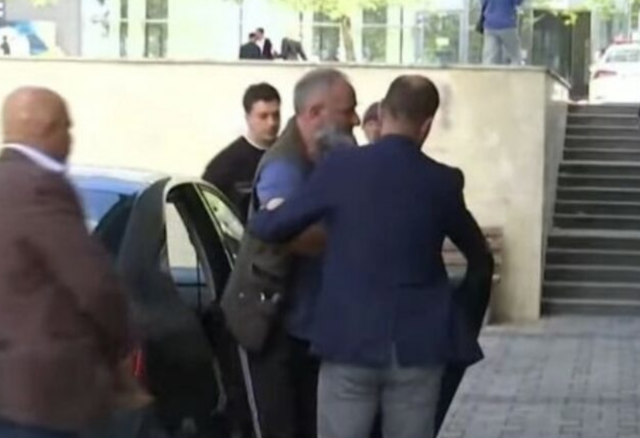
Hysri Selimi has been arrested in Kosovo on suspicion of committing the criminal offense of "Espionage".
Selimi is a name known to Kosovo authorities for his previous involvement in terrorist activities.
According to Insajder, suspicions of Serbia's involvement in the spread of radical religious currents in Kosovo have been confirmed, referring to the arrest of Selim.
Meanwhile, several messages that Hysri Selimi exchanged with a BIA official through the Viber application have already emerged.
These conversations, which were obtained by Telegrafi, reveal a structured collaboration between Selim and the BIA, including detailed reports on arrests in Kosovo, movements of radical groups, and interest in creating illegal mosques outside the control of the Islamic Community of Kosovo (BIK).
Viber conversations that reveal new details:
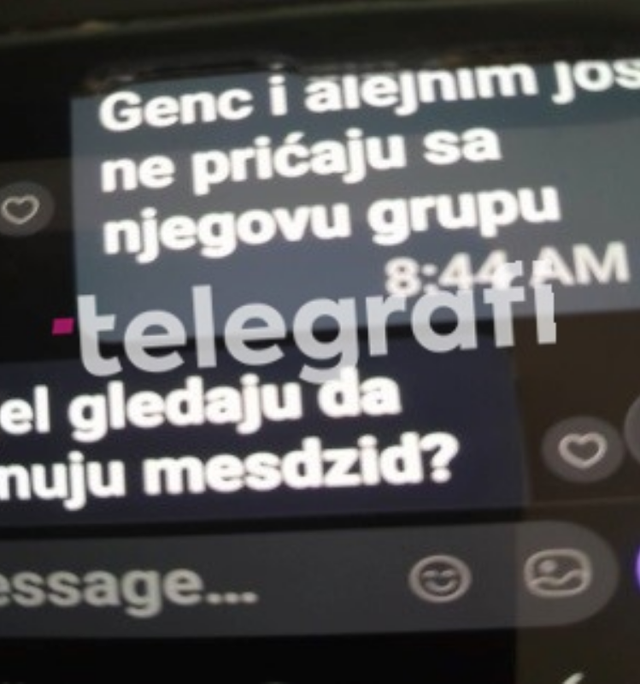
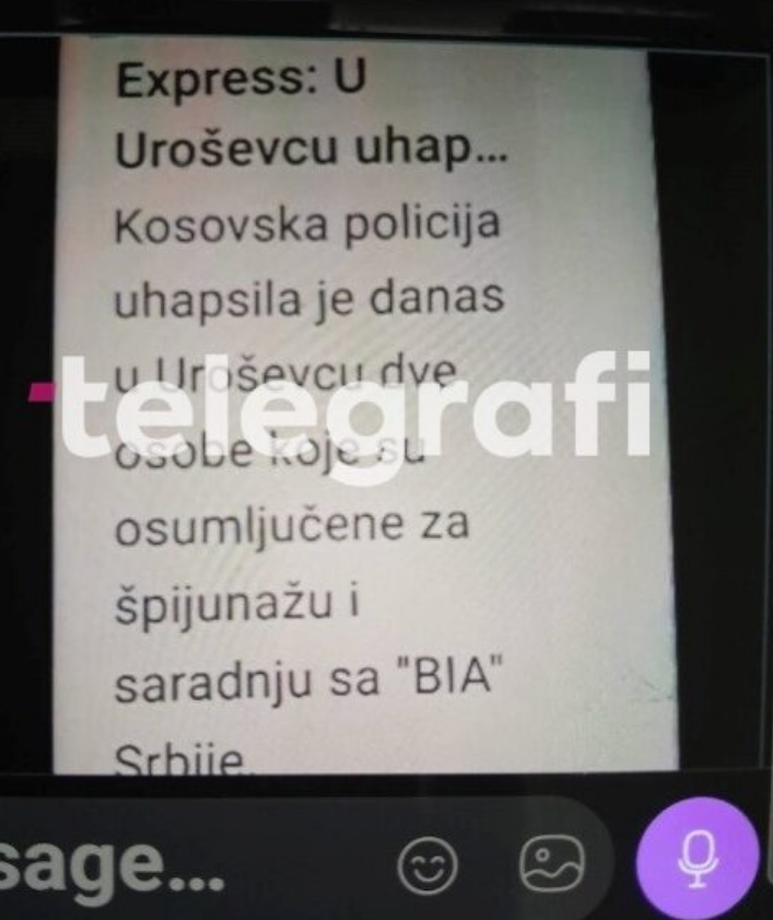
In one of the messages dated June 5, 2024, Selimi informs the Serbian official about the arrest in Ferizaj of two people suspected of being collaborators with Serbia, Bedri Shabani and Muharrem Qerimi.
He then expresses concern about the possibility of his involvement in this case.
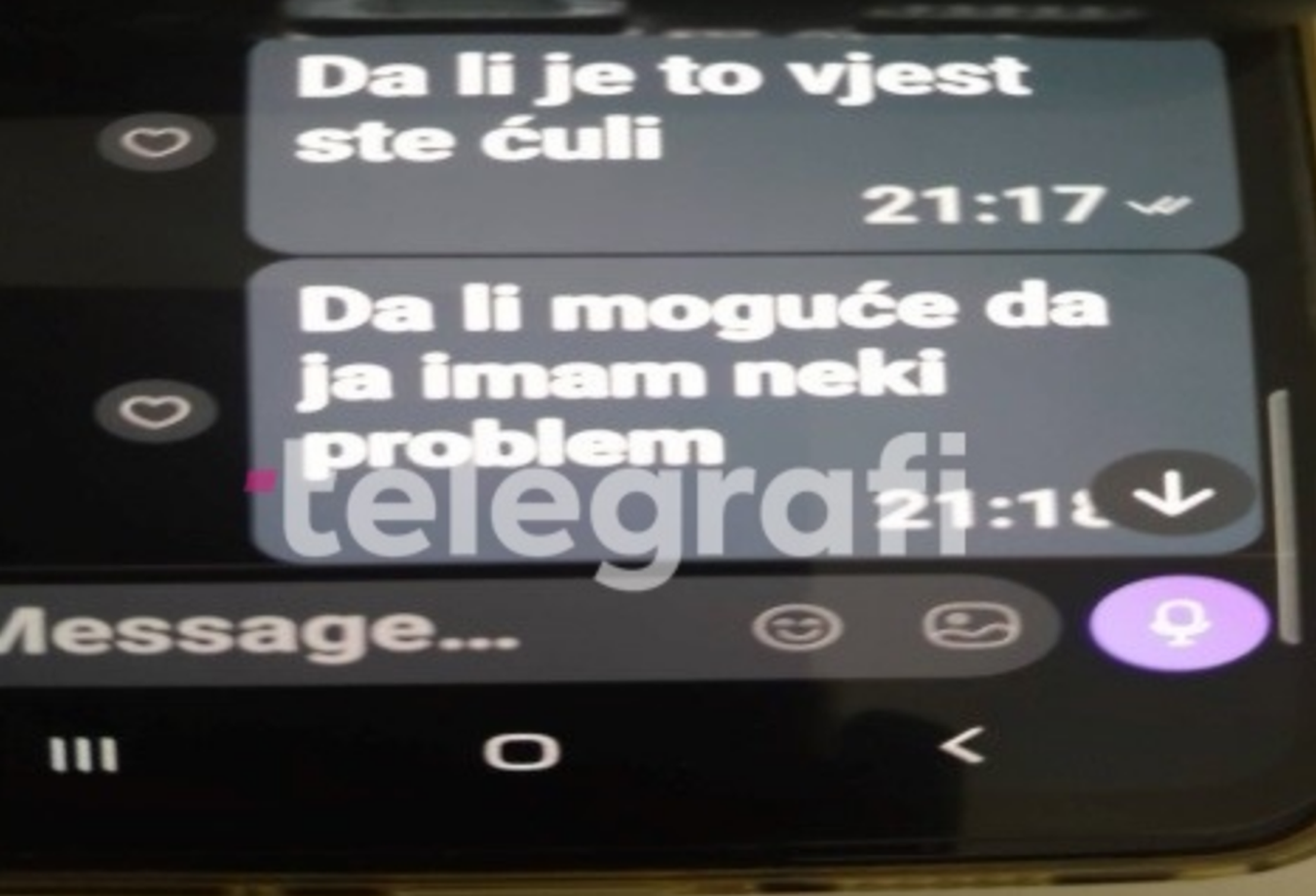
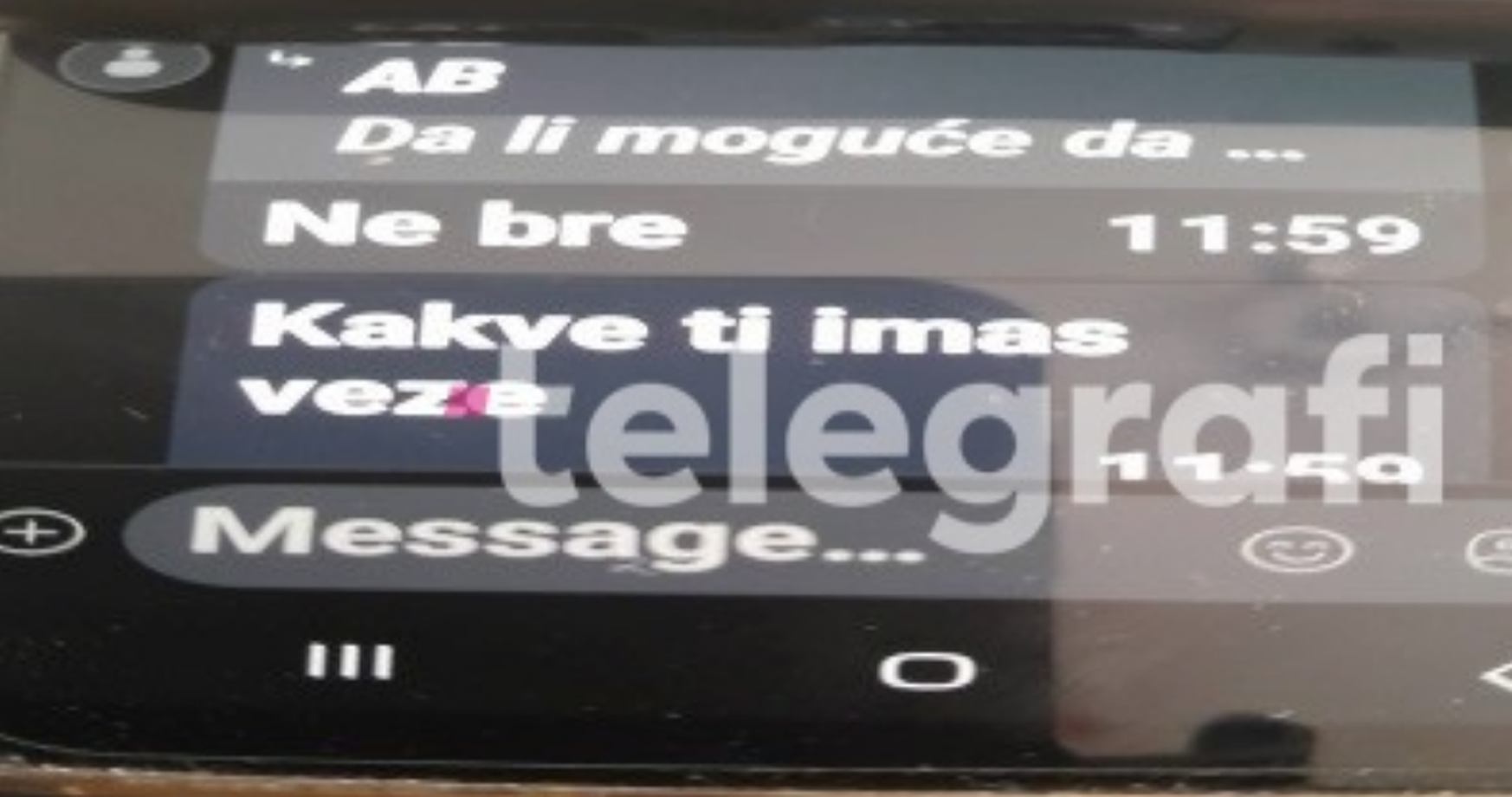
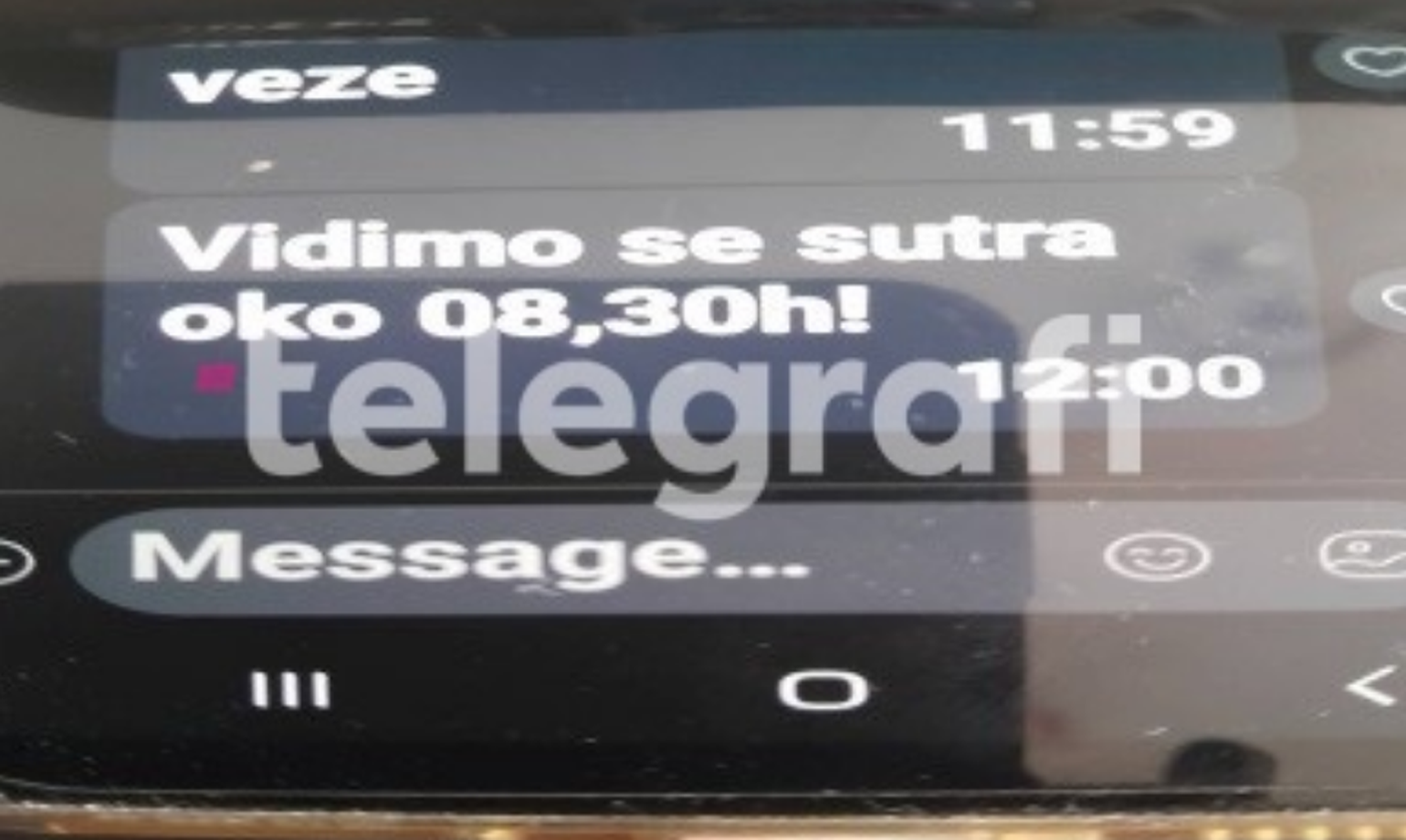
“Have you heard about this news? Is it possible that I have a problem? Regardless, I travel as a free man,” Selimi writes to the Serbian BIA official.
The BIA official replies the next day: "No bro. What's your connection? See you tomorrow around 8:30!"
In another communication between Selim and the BIA official, earlier suspicions about Serbia's involvement in fostering radical currents in Kosovo are confirmed.
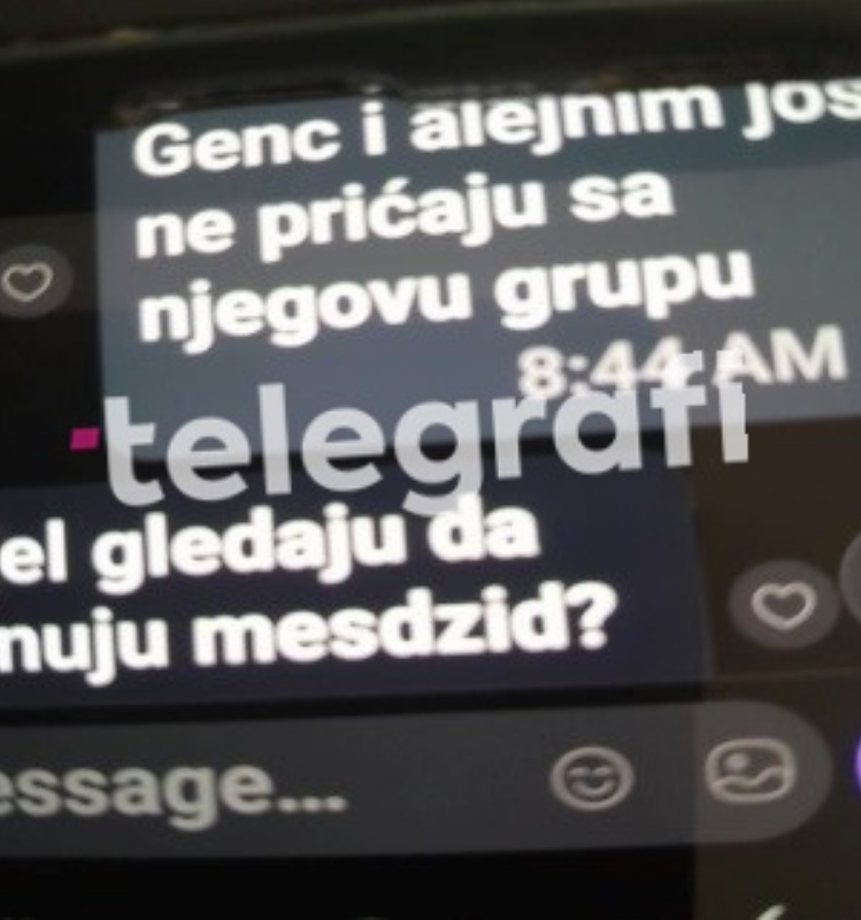
Selimi writes: “Genci and Alejhimi no… do not speak to his group.” The BIA official’s response immediately follows: “Are they looking to establish the mosque?”
This is considered one of the main pillars of Selim's cooperation with the BIA.
According to the SPRK file, Selimi collected and then provided information to the BIA about the number of radicalized individuals and the number of Kosovo citizens who went to fight in Syria.
In addition, he had provided data on senior officials of political parties in Kosovo and information about security institutions.
The dossier states that information for the BIA was delivered in physical meetings on Serbian territory, while Selimi was paid up to 700 euros for his services. The BIA also equipped Selimi with smartphones to enable secret communications with Serbian officials.
Selim's arrest is seen as part of a broader effort to combat espionage networks and external influence in Kosovo's internal security affairs.