Protests, violence, curfews: From France to Albania, why Europe'...
/ 2026-10-20 23:47:20Focus


Croatia has destroyed 4 tons of Albanian tomatoes after they were found to have been sprayed with 5 times the permitted amount of the insecticide chlorfenapyr.
The dangerous tomatoes were buried by the Croatian state. In an official announcement by EFSA, the results of laboratory tests were published, where the permitted load level is 0.01mg\kg, while the result reached a value of 0.06 mg\kg. The dangerous tomatoes were produced on agricultural lands in Berat.
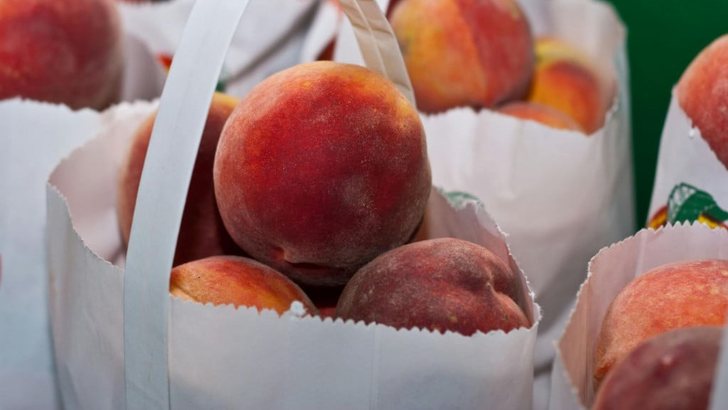
Meanwhile, on August 22, the Croatian state destroyed 5 tons of peaches from Divjaka, because a high presence of the heavy metal nickel was found in this fruit.
Albanian farmers often harvest their produce in greenhouses without respecting the decomposition period, which in technical terms is called the waiting period. This then brings not only financial consequences for the Albanian exporter, but also a reduction in the value of 'made in Albania' products.
"This may have been a result of not respecting the waiting period, but not only that, it may also have come from the excessive doses used by farmers or from the lack of alternation of insecticides. Farmers always using the same chemical causes this insecticide to pass through the soil, plants and then into the product since it does not decompose," says UBT lecturer Fredi Brahusi.
The indiscriminate use of these chemicals has serious consequences for the consumer's health, from decreased immunity to infertility, preventing pregnancies from occurring.
"In general, groups of insecticides that in this case are highly toxic, causing allergic diseases or decreased human immunity, but also causing problems with reproduction, which means they can cause difficulties in the production cycle or difficulties."
The dangerous tomatoes did not reach the table of European consumers; on the other hand, our food inspectors during August did not issue any alerts about the dangerous Berat tomatoes or Divjaka peaches, whether these products were part of Albanian families or not./ TCH