How Belinda Balluku is fabricating the rumor about Top Channel's...
/ 2026-10-19 16:19:00Focus


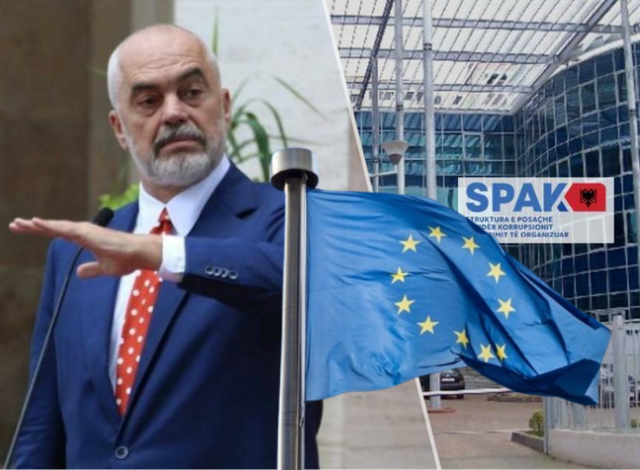
The European Commission 's Progress Report for Albania , published on Tuesday, evaluates the work of the Special Prosecution Office, SPAK , in the fight against corruption and organized crime with " good progress " , while performance in other areas related to governance has generally received negative or average grades.
In the area of democracy, the European Commission reserves criticism for the recent parliamentary elections, referring to the OSCE-ODIHR observer report on the " lack of a level playing field and abuse of public resources " and recommends a comprehensive electoral reform.
The work of the Assembly is also described as “partially effective” due to political polarization, a lack of dialogue between the majority and the opposition, and limitations in public consultation processes. “The Assembly is also hampered by limited oversight over the executive, while politicization of parliamentary appointments to senior positions in constitutional or independent institutions established by law remains a serious issue,” the report notes.
In this context, it is required that “ the integration process should be more inclusive, cross-party and supported by effective consultation mechanisms .”
The report has brought to attention concerns about the work, methodology and impact of the special parliamentary anti-corruption committee in the previous legislature, which was headed by Fatmir Xhafaj. In the chapter on democracy, in a single sentence, the EC emphasizes that “the division of competences between local and central government remains a problem”.
For public administration, the assessment is "average", while the government is required to limit the use of normative acts for budget changes and return to regular budget review processes.
Albania is assessed as having made "good progress" in aligning with the EU acquis in the field of justice, freedom and security in general, highlighting the work of SPAK as effective.
“The capacity and effectiveness of SPAK to crack down on organized crime groups has increased and the use of financial investigations has improved,” the report says.
Gjithsesi në këtë kapitull, rekomandimet nga viti i kaluar konsiderohen të zbatuara pjesërisht dhe mbeten në masë të madhe të vlefshme për vitin që vjen për rritjen e hetimeve financiare ndaj krimit të organizuar, përfshirë trafikimin e paligjshëm, terrorizmin dhe pastrimin e parave; të bëjë operativ observatorin kombëtar të drogës dhe të të adresojë çështjen e kërkesave të pabazuara për azil nga shtetasit shqiptarë drejt vendeve të Unionit.
“Është bërë përparim i mirë në zbatimin e rekomandimeve të vitit të kaluar, përmes rritjes së kapaciteteve të SPAK në hetimet financiare, forcimit të luftës kundër pastrimit të parave dhe sekuestrimit të aseteve të lidhura me krimin e organizuar. SPAK ka konsoliduar më tej bashkëpunimin ndërkombëtar, veçanërisht me shtetet anëtare të BE-së dhe agjencitë e BE-së, për hetimin dhe goditjen e grupeve kriminale me rrezik të lartë, duke dhënë rezultate të para të prekshme,” thuhet në raport.
Pavarësisht progresit të punës së SPAK, në përgjithësi Shqipëria vlerësohet si “mesatarisht e përgatitur” në luftën kundër krimit të organizuar dhe i kërkohet të përshpejtojë përafrimin e kuadrit ligjor dhe të forcojë kapacitetet e zbatimit të ligjit dhe të përmirësojë efikasitetin e hetimeve, përfshirë zhvillimin e analizës kriminale dhe financiare.
Edhe në kapitullin për luftën kundër korrupsionit, puna e SPAK shihet si konsolidim i “rezultateve pozitive” dhe “përparim i prekshëm” drejt krijimit të një bilanci të qëndrueshëm.
Por nga ana tjetër, raporti vë në dukje se “korrupsioni mbetet i përhapur në sektorë të cenueshëm…” dhe “bashkëpunimi me organet e zbatimit të ligjit mbetet i dobët”.
Në këtë kuadër, kërkohet që forcimi i hetimeve dhe ndjekjes penale “të sigurojë më shumë dënime përfundimtare, në veçanti në nivelet e larta, përfshirë sekuestrimin dhe konfiskimin përfundimtar të pasurive që burojnë nga vepra korrupsioni…’, përmirësim ligjor për parandalimin e korrupsionit dhe efektivitet në transparencën e kontrollit e deklaratave të pasurisë nga Inspektorati i Lartë i Deklarimit dhe Kontrollit të Pasurive dhe Konfliktit të Interesit (ILDKPKI)
Në fushën ekonomike kërkohet rritje e transparencës dhe llogaridhënies për ndërmarrjet shtetërore, përfshirë publikimin e raporteve vjetore të performancës financiare dhe forcmimin e kuadrit të menaxhimit të Investimeve publike.
Kapitulli për prokurimin publik vlerësohet me notë negative si ”përparim i kufizuar” në përafrimin e kuadrit ligjor me acquis të BE-së dhe kërkohet që të përmirësohen procedurat konkurrruese të prokurimeve dhe përmirësim të ligjeve në fushën e koncesioneve dhe partneriteteve publike-private (PPP) dhe të sigurojë zbatimin e Marrëveshjen e Stabilizim-Asociimit (MSA) në lidhje me marrëveshjet ndërqeveritare me vende të treta në fushën e prokurimit publik.
Gjyqësori dhe të drejtat themelore janë vlerësuar në “nivel përgatitjeje të moderuar dhe të mirë” dhe shihet si përparim në forcimin e pavarësinë dhe përgjegjshmërinë e gjyqësorit si pasojë e procesit të vetingut.
However, the EC notes that the appointments of non-magistrate members of the KLGJ and KLP and pressures to influence the system remain a challenge.
“…increasing attempts by public officials or political figures to exert undue influence or pressure on the judicial system have been observed, which remains a matter of serious concern,” the report states.
In the chapter on fundamental rights, the EC assesses the issue of property rights as a continuing problem and specifically as slow progress in the process of registration and digitalization of properties and deficiencies in transparency and integrity of the Cadastre. The EC calls for the improvement of the aspect of compensation and justice in cases of expropriation.
Freedom of expression continues to be a concern for Brussels and why the field is assessed with "limited progress".
“The situation remains largely unchanged, as media independence and pluralism continue to be affected by the overlap of political and business interests, the lack of transparency of funding sources, the high concentration of media ownership, as well as intimidation and unsafe working conditions for journalists,” the report states.
In the field of environment, the report notes that Albania has a limited level of preparation and has not made progress during the reporting period, while the adoption of laws on integrated waste management and extended producer responsibility is required.
The Commission warns that the new “Mountain Package” law could have consequences for land use and environmental management. It also highlights the lack of progress on water quality, air quality and climate protection, and calls for stronger implementation of environmental and climate legislation in line with the EU acquis./ Reporter