Is this police force professional and capable of handling violen...
/ 2026-10-16 18:54:07Focus


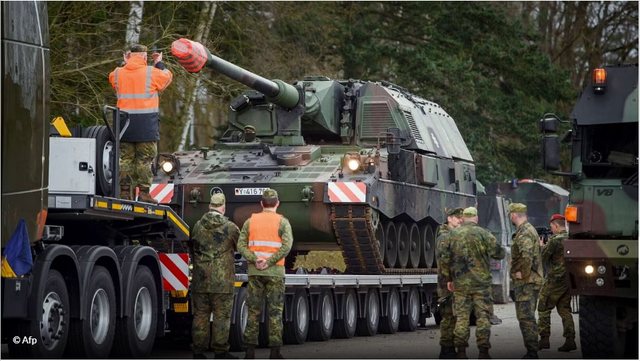
Several international media outlets, including the Wall Street Journal, have reported on a "secret plan" prepared by Germany to deal with a possible war against Russia.
As if it were news.

Let's start by saying two things: This plan has been around for a long time (since 2022, or at least 3 and a half years) and, apparently, it's not much of a secret.
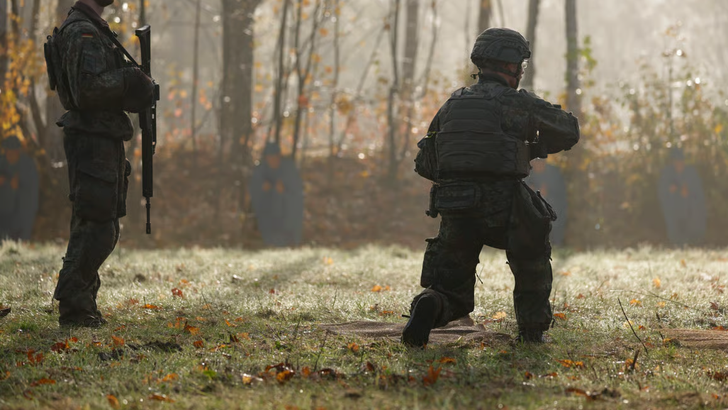
But let's get to the point. The classified document from the German Ministry of Defense contains more than 1,200 pages of plans and logistical scenarios that essentially describe how NATO (and not the Bundeswehr, the German army) would deploy up to 800,000 soldiers and 200,000 military vehicles on German soil if Moscow were to launch an attack on European territory.
Of course, sensitive details of the program are protected by secrecy. A spokesman for the German High Command explained that the war plan specifies the requirements that the Bundeswehr and other state and civilian defense entities must meet. “For reasons of military security, we cannot go into detail here and therefore cannot confirm the data reported in the articles.”
The Operation Germany Plan, known as “Oplan Deu,” is a non-binding, analytical, “consultative” document issued to suggest to the Kremlin that European forces (led by the Americans) are more than ready to go to war. The chapters identify ports, rail networks, river routes, and community highways that NATO would use to mass forces along the eastern border.
Particular attention is paid to the nearly 500-kilometer-long A2 motorway, which runs from the western city of Oberhausen to the outskirts of Berlin, near the border with Poland. As in any state of war, civilian infrastructure becomes an integral part of a side's defense plans.
This is exactly what happened during the Cold War in US-controlled Western Europe. Another example. In recent months, Belgium, Germany and the Netherlands have agreed to reopen the historic Rhine railway to improve military mobility in Europe, amid growing security concerns about Russia.
Why is the plan back now? The timing is no coincidence either. At a time when the United States, tired of its overexposure on multiple global fronts, is trying to freeze the war in Ukraine by negotiating with Russia, Europe is called upon to do its part.
Not only through rearmament that signals the US's willingness to delegate part of the continent's defense to us, but also through attitudes and pressure that discourage Moscow from any rash (or violent) action. Propaganda, as we now understand, is an integral part of any conflict.
It is no coincidence that the phases preceding negotiations or offensives are filled with rhetoric and threats. German and NATO officials, for example, have warned that Russia could be capable (or even willing) to strike Europe within 2 to 5 years.
Highly unlikely on a technical level, but extremely important for keeping the home front united and prepared.