Protests, violence, curfews: From France to Albania, why Europe'...
/ 2026-10-20 23:47:20Focus


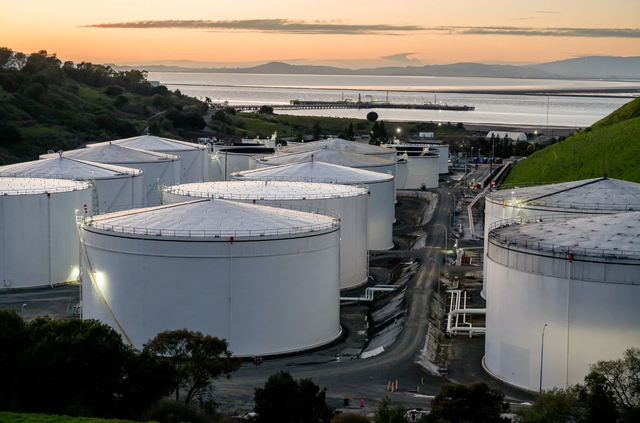
Oil prices have risen sharply following the escalation of conflict in the Middle East, reaching their highest levels since 2023 and raising fears of a new global energy shock.
A barrel of West Texas Intermediate (WTI), the benchmark for the US market, closed at $90.90, up more than 12 percent in one session and 35.63 percent for the week, the highest level since the creation of WTI futures contracts in 1983.
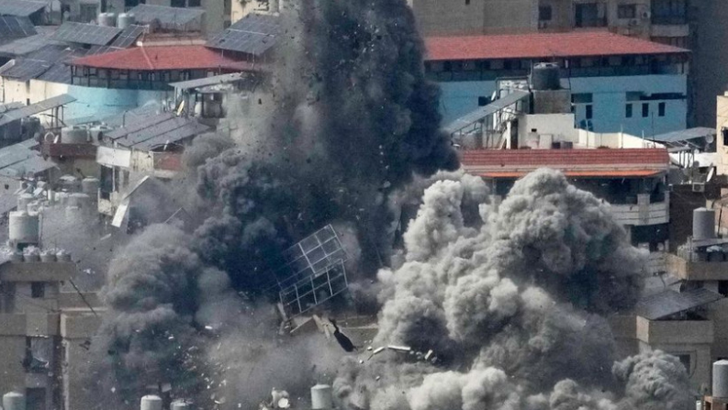
Meanwhile, a barrel of Brent, the international standard for oil, closed at $92.69, up over 8 percent on the day and 27.88 percent on the week, following the Israeli-American attacks on Iran.
In just a few days, prices have increased by more than $20 per barrel, while since the beginning of the year the increase has exceeded $30.
WTI oil is now approaching the symbolic threshold of $100 per barrel, a level that has not been exceeded since July 2022.
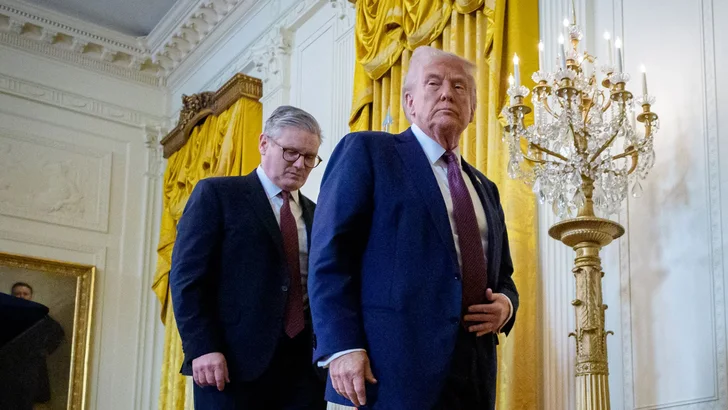
The price increase accelerated even more after statements by US President Donald Trump, who called for Iran's "capitulation".
However, according to analysts, the main impact on the market comes from the paralysis of traffic in the Strait of Hormuz, through which about 20 percent of global oil production passes.
"Every day that the strait remains closed, the oil market becomes more tense," said UBS analyst Giovanni Staunovo.
Storage capacities in Gulf countries are limited and if the situation continues, oil production could be reduced, while refinery activity – especially in Asia and the Middle East – could slow significantly.
Some countries have already started to cut production. Iraq has reduced supply by about 1.5 million barrels per day, while Kuwait is approaching the limits of its storage capacity.
To avoid potential shortages, China has asked major refiners to halt exports of refined petroleum, such as diesel and gasoline.
At the same time, the US government has allowed the shipment of Russian oil to India for one month, despite sanctions, to stabilize supplies on the market.
However, analysts warn that even if traffic resumes, it is not expected to immediately return to pre-war levels.
According to market experts, current global oil reserves can withstand up to a month of blockage of the Strait of Hormuz, but if the crisis lasts longer, global energy markets could face major shocks.