Protests, violence, curfews: From France to Albania, why Europe'...
/ 2026-10-20 23:47:20Focus


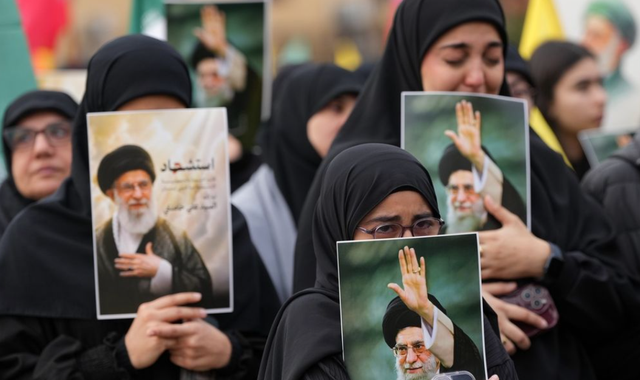
A classified report by the US National Intelligence Council has concluded that even a large-scale attack on Iran's political and institutional leadership "is unlikely to overthrow the Islamic Republic's deeply entrenched military and religious establishment."
The assessment comes as the Trump administration has hinted that the military campaign could be extended, with officials saying the operation has “just begun.” According to the Washington Post, which cited three people familiar with the report, the document’s conclusions reinforce suspicions about former President Trump’s plan to weaken the Iranian leadership structure and create conditions for a new leadership more compatible with American interests.
The report was completed about a week before the start of the war by the United States and Israel on February 28 and examined succession scenarios after both a limited operation against the Iranian leadership and a broader attack on the country's state institutions.
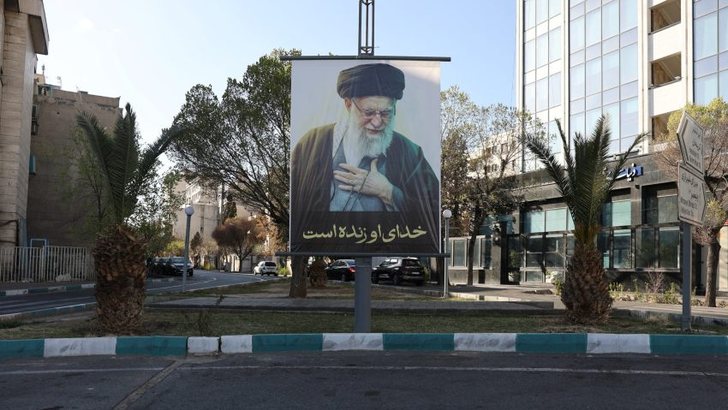
Based on the same assessment, in both scenarios, Iran's religious and military establishment is expected to react to the assassination of Supreme Leader Ayatollah Ali Khamenei by activating protocols designed to ensure continuity of power. According to the report, the possibility of control of the country passing into the hands of the fragmented Iranian opposition is considered "impossible."
The National Intelligence Council is made up of senior analysts who draft classified assessments intended to reflect the collective assessment of all 18 US intelligence agencies.
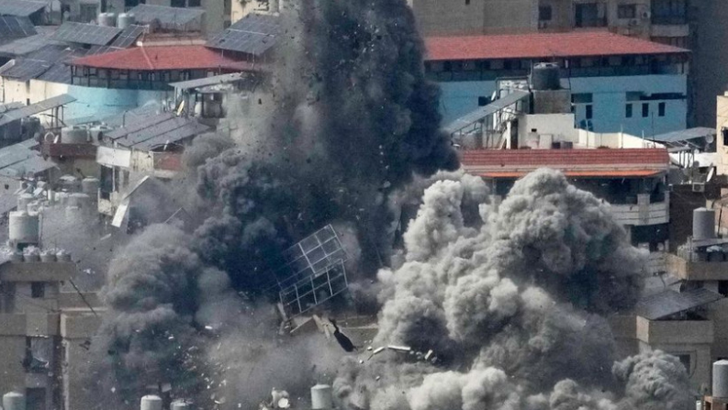
The CIA referred questions to the Office of the Director of National Intelligence, which declined to comment. The White House did not say whether the president was briefed on the assessment before authorizing the military operation, which then expanded eastward with submarine operations in the Indian Ocean and westward with missile interceptions near Turkey, a NATO member.
In a statement, White House spokeswoman Anna Kelly said President Trump and his administration have clearly defined the goals of Operation Epic Fury. She said the goals include destroying Iran’s ballistic missile and missile production capabilities, dismantling the Iranian navy, disrupting Tehran’s ability to arm allied organizations, and permanently preventing it from acquiring nuclear weapons. Kelly also added that “the Iranian regime is being crushed.”
Reservations within US intelligence services about the possibility of immediate regime change in Tehran had also been recorded in previous reports by the New York Times and the Wall Street Journal, however the involvement of the National Intelligence Council and its specific analysis of the consequences of small or large attacks had not been disclosed until now.
Susan Maloney, an Iran expert and vice president at the Brookings Institution, said the Council’s prediction that Iranian institutions will hold is based on deep knowledge of the country’s political system. She described the report as “a very well-informed assessment of the Iranian system and the institutions and processes that have been in place for many years.”
The report does not appear to have considered other possible scenarios, such as sending US ground forces into Iran or supporting an uprising by the country’s ethnic Kurds. It also remains unclear whether the large-scale campaign described in the classified document is the same as operations already underway. At the same time, the succession process described in the report appears to have been set in motion, under the pressure of a massive air and sea bombing campaign carried out by the United States and Israel.