"We are drowning..." - From Lisbon, Milan to Tirana, "The Guardi...
/ 2026-10-18 23:13:32Focus


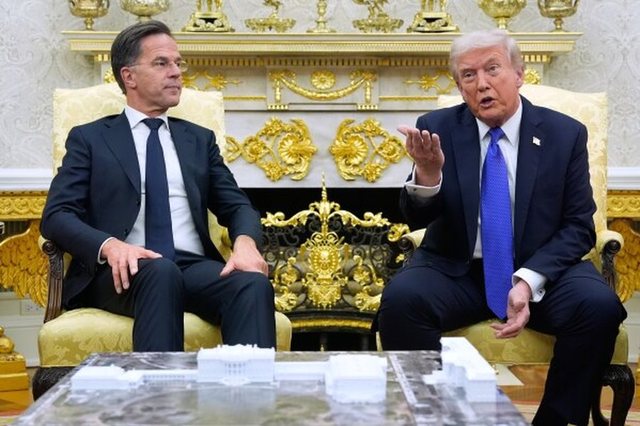
The White House has announced a meeting that could change the course of modern history.
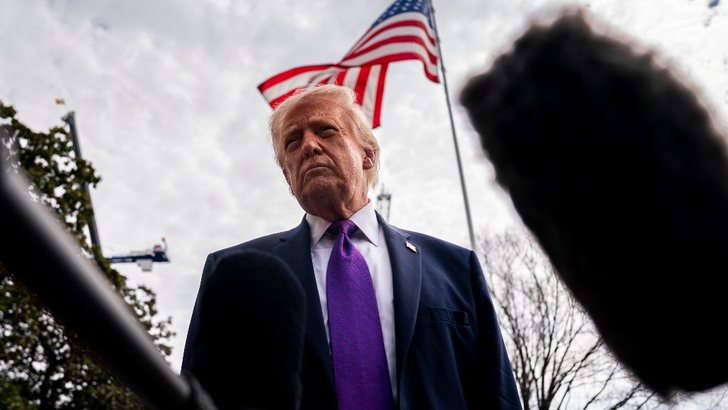
President Donald Trump is expected to sit down at the negotiating table with NATO Secretary General Mark Rutte to address an issue that has set chancelleries around the world in motion.
According to recent reports from the White House, the central topic is expected to be the US position within the Alliance, including discussion of a possible US withdrawal from NATO.
❗️US may withdraw from NATO in the coming hours
— NEXTA (@nexta_tv) April 8, 2026
Donald Trump is set to discuss a historic issue — a potential US withdrawal from the Alliance — with NATO Secretary General Mark Rutte, the White House reports. pic.twitter.com/0xw6FaeStb
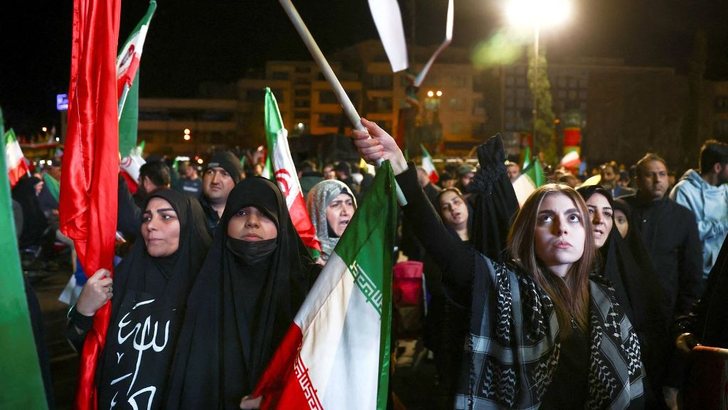
The Republican president has threatened to withdraw from the 32-member transatlantic alliance and has criticized Washington's European allies in recent weeks for what he called insufficient support for the US-Israeli bombing campaign against Iran. Trump said on Tuesday that the attacks would stop after the two sides agreed to a two-week ceasefire.
Trump has called on Gulf oil-dependent countries to break Iran's control of the Strait of Hormuz, but European countries are not expected to participate in mine-clearing operations or other missions to secure shipping as long as hostilities continue, according to two European diplomats.
Iran has vowed to block this key strategic point with mines until the war is over.
Rutte, known in Europe as a “Trump whisperer,” has built a warm relationship with Trump despite the tensions and last year referred to him as a “dad” managing a schoolyard brawl between Israel and Iran. Another European diplomat described Rutte’s approach to Trump as humble but effective.
The conflict over Iran has also exacerbated transatlantic concerns over Ukraine, Greenland and military spending, although senior US officials have privately assured European governments that the administration remains committed to NATO, according to one of the diplomats.
“This is a dangerous point for the transatlantic alliance,” said Oana Lungescu, a former NATO spokeswoman, now at the Royal United Services Institute.
When the two leaders meet, Rutte is expected to express a shared interest in restoring normal maritime trade after global energy prices rose due to the conflict, diplomats said. He is also expected to try to distance the American leader from public criticism of the alliance, while highlighting steps that European countries are taking to increase defense spending.
A NATO official said Rutte would seek to increase cooperation in the defense industry and discuss the wars in Iran and Ukraine.
However, it is unclear whether NATO, a defense alliance focused on North America and Europe, will play a broader role in the Middle East. Rutte was not mandated by European leaders to engage in an operation in the Strait of Hormuz during his meeting with Trump.
“I expect him to continue the dialogue on Ukraine and burden-sharing within NATO,” said another senior European diplomat, adding that the former Dutch politician has said that alliance members “should be involved in opening Hormuz” after a ceasefire.
Trump's Oval Office meetings with foreign leaders are often spectacular, with praise and complaints publicly expressed in front of television cameras. The White House has not said whether the Trump-Rutte meeting will be open to the media.
NATO, which includes European countries, the US and Canada, was created in 1949 to counter the risk of a Soviet attack and has been the cornerstone of Western security ever since.
In recent weeks, Trump has repeatedly called NATO a “paper tiger” that is useless in times of need. Asked by a Reuters reporter earlier this month about withdrawing from NATO, Trump replied: “Wouldn’t you do it if you were in my shoes?”
His focus on the Middle East also risks diverting American weapons from Ukraine, whose defense is a top priority for most European NATO members. Trump's criticism of Ukraine, engagement with Russia and threats to take Greenland from Denmark have alarmed those allies.
“He has been disappointed by the lack of willingness of NATO and other allies to assist during Operation Epic Fury, even though his effort to destroy the threat from Iran is to their benefit,” said White House spokeswoman Anna Kelly. “As he has said, the United States will remember this.”