Is this police force professional and capable of handling violen...
/ 2026-10-16 18:54:07Focus


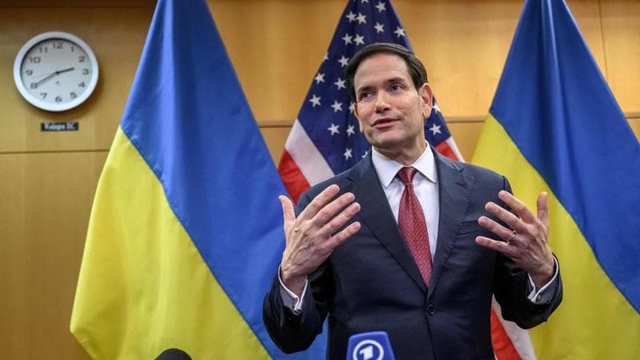
The son of exiles rose to become Secretary of State despite his long-standing feud with Donald Trump. Now he aims to beat Vance for the nomination.
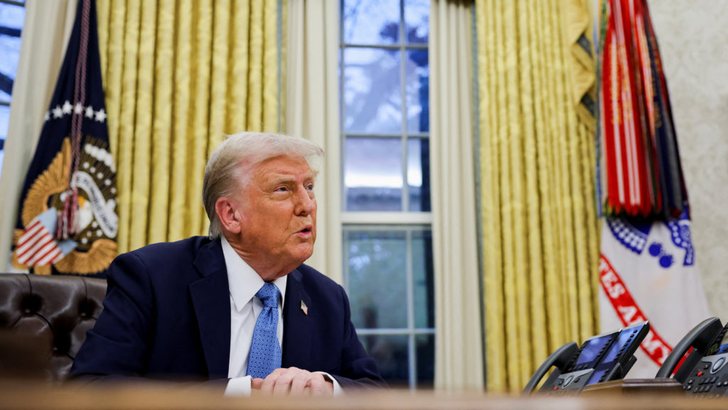
During the 2016 presidential campaign, when Donald Trump and Marco Rubio were rivals for the Republican nomination, the pair traded taunts that bordered on personal insults. Trump called the Florida senator “Little Marco,” “Marcolino,” both for his height and to label him a “lightweight,” unfit to lead the United States. Rubio retaliated by joking about Trump’s small hands.
“You know what they say about men with small hands?”, a clear allusion to masculine attributes. Trump did not leave him without an answer: “I assure you there is no problem.” Rubio later admitted that he regretted that level of debate, saying that he had been embarrassed in front of his children.
Although it seems like mere campaign colors, this brings to mind a fundamental question.
How did Rubio go from what seemed like a schoolyard brawl with Trump to Secretary of State, the man who can now directly influence the peace process in Ukraine? And, more importantly, does he really have enough trust to rebuild the 28-point plan, which Kiev sees as dictated by Moscow, or does he risk being sidelined at any moment?
Marco Rubio was born in Florida in 1971 to Cuban parents. Although they had left Cuba before Castro's revolution, Rubio often cites their immigration to the United States as a turning point in the family's history. He began his political career in 2000 as a state representative in Florida, the year of the contested Bush-Gore election. When he was elected mayor, he brought on about 20 advisers from Jeb Bush's district to his staff.
Rubio is a conservative, but he belongs to the traditional wing of the Republican Party, not the MAGA camp. He was known as a senator inclined to bipartisan consensus and was part of the “Gang of Eight”, the group that drafted a common immigration reform, which Trump attacked by accusing him of “amnesty for illegals”. In foreign policy, Rubio has always been a “hawk”, especially towards Russia and China, which the US aims to separate from its partnership with Putin. During the presidential campaign, his advisor was Jamie Fly, trained at the German Marshall Fund and the Council on Foreign Relations.
Rubio is the first since Henry Kissinger to hold both the posts of Secretary of State and National Security Advisor. Now he faces a historic challenge: To try to end the war in Ukraine, just as Kissinger negotiated the end of the conflict in Vietnam, hoping that the peace will not turn into merely a “patient interval” before the possible fall of Kiev.