Is this police force professional and capable of handling violen...
/ 2026-10-16 18:54:07Focus


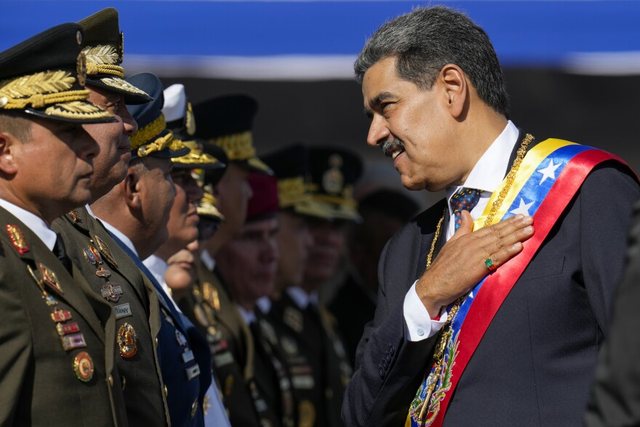
The United States has designated the Cartel de los Soles (Cartel of the Suns in Spanish), which is said to be led by Venezuelan President Nicolas Maduro and senior members of his government, as a foreign terrorist organization.
Designating an organization as a terrorist group gives law enforcement agencies and the US military broader powers to attack and disrupt it.
In recent months, the US has increased pressure on Maduro, saying his government is illegitimate after last year's elections, which were widely rejected as fraudulent. This designation gives the US another reason to increase the pressure.
Venezuela's Interior and Justice Minister Diosdado Cabello has long called the cartel a "fiction" that doesn't exist. Cabello, who is said to be a senior member of the cartel, has accused US officials of using it as an excuse to target those they don't like.
"Every time someone bothers them, they mention Maduro as the head of the Cartel de los Soles," he said in August.
Gustavo Petro, the leftist president of Venezuela's neighbor Colombia, has also denied the existence of the cartel. "It is the far-right's imaginary justification for overthrowing governments that do not obey it," he wrote on X in August.
But the US State Department is convinced that the “Cartel of the Suns” not only exists, but has “corrupted Venezuela’s military, intelligence services, legislature and judiciary.” According to experts quoted by the BBC, the truth lies somewhere in between.
The term Cartel de los Soles first appeared in the early 1990s. It was coined by Venezuelan media following drug trafficking allegations against a general in charge of anti-drug operations in the Venezuelan National Guard, and referred to the sun-shaped symbols that generals wear on their shoulder straps to indicate their rank.
Mike LaSouza, an expert on organized crime in America who is deputy director of content at Insight Crime, says the nickname soon came to be used for all Venezuelan officials suspected of being connected to the drug trade, regardless of whether those officials were part of the same organization.
Raul Benitez-Manau, një ekspert për krimin e organizuar në universitetin UNAM të Meksikës, thotë se aktivitetet e grupit filluan në fund të viteve 1980 dhe fillim të viteve 1990 në përgjigje të zhvillimeve në Kolumbinë fqinje, prodhuesin më të madh të kokainës në botë. Në atë kohë, Karteli i fuqishëm Medellín, me seli në qytetin kolumbian me të njëjtin emër, po shpërbëhej dhe një operacion i madh antidrogë në vend po jepte fryte.
Ndërsa rrugët e kontrabandës u vunë nën presion, thotë Manau, Cartel de los Soles filloi të ofronte mënyra alternative për të transportuar kokainën nga Kolumbia. Më pas, ai fitoi vrull gjatë viteve të para të Hugo Chavez, presidentit të majtë që udhëhoqi Venezuelën nga viti 1999 deri në vdekjen e tij në vitin 2013, thotë ai. “Chavez donte të sfidonte Shtetet e Bashkuara dhe të ndërpriste të gjitha lidhjet e bashkëpunimit ushtarak midis ushtrisë venezueliane dhe SHBA-së”, shpjegon ai.
Pa mbikëqyrjen e Agjencisë Amerikane Kundër Drogës (DEA), “disa oficerë ushtarakë [venezuelianë] ndiheshin të lirë të bënin biznes me kriminelë”, thotë Manau. Ai thotë se simpatitë e Çavezit për rebelët e majtë të FARC-ut në Kolumbi – të cilët financoheshin kryesisht përmes kontrabandës së kokainës – ishin një faktor tjetër në ridrejtimin e një pjese të trafikut të drogës përmes Venezuelës.
I përballur me presion ushtarak në vend, grupi guerilas zhvendosi disa operacione në Venezuelë, duke e ditur shumë mirë se presidenti venezuelian “i shihte ata si aleatë ideologjikë të majtë”, shpjegon Manau.
Wesley Tabor, një ish-agjent i DEA-s që punoi në Venezuelë, thotë se FARC jo vetëm që gjeti “një strehë të sigurt në Venezuelë”, por shumë zyrtarë qeveritarë, nga policia e rrugës deri te aviacioni ushtarak, shpejt u bënë bashkëpunëtorë të tyre në tregtinë e drogës.
“Së bashku, ata filluan ta përmbytnin SHBA-në me qindra ton kokainë , thotë ai.
LaSouza shpjegon se Cartel de los Soles ndryshon nga rrjetet e tjera të drogës në atë që nuk ka një strukturë formale. Ai thotë se nuk është një grup në vetvete, por përkundrazi “një sistem korrupsioni i përhapur”. Ai shton se është nxitur nga kriza ekonomike që ka goditur Venezuelën nën pasardhësin e Presidentit Chavez, Nicolas Maduro.
“Regjimi i Maduros nuk mund t’u ofrojë forcave të sigurisë një pagë të mirë dhe, për të ruajtur besnikërinë e tyre, i lejon ato të pranojnë ryshfete nga trafikantët e drogës “, shpjegon ai.
Zyrtarët e nivelit të mesëm dhe të ulët që kontrollojnë pikat kryesore të hyrjes dhe daljes së Venezuelës, siç janë aeroportet, përbëjnë Cartel de los Soles, thotë Manau, pasi ata janë në një pozicion të favorshëm për të lehtësuar rrjedhën e drogës. Megjithatë, zyrtarët amerikanë janë të bindur se tentakulat e Cartel de los Soles arrijnë në nivelet më të larta të qeverisë Maduro, përfshirë vetë presidentin.
In 2020, the US Department of Justice charged Maduro and 14 others with conspiring with Colombian armed groups to send cocaine to the United States. Among the senior officials named were Defense Minister Vladimir Padrino and the former head of Venezuela's Supreme Court, Michael Moreno.
In the indictment, U.S. prosecutors also alleged that since at least 1999, the Cartel de los Soles was led and controlled by Maduro, Interior Minister Diosdado Cabello, former military intelligence chief Hugo Carvajal and former general Cleaver Alcala. They say information provided by former senior Venezuelan military officials — including Carvajal and Alcala — supports this.
In 2020, General Alcala surrendered to DEA agents after a standoff with the Maduro government and pleaded guilty to providing support to the FARC and their cocaine trafficking operations. Earlier this year, former Venezuelan spy chief Carvajal — who also fled Venezuela after falling out with Maduro — also pleaded guilty in a US court to charges of drug trafficking and narcoterrorism.
"Over the years, he and other officials of the Cartel de los Soles used cocaine as a weapon, flooding New York and other U.S. cities with poison," a federal prosecutor said of Carvajal, who was known as "El Pollo" (The Chicken), during the trial.
The US is also offering rewards for information leading to the capture of President Maduro and Interior Minister Diosdado Cabello. Maduro and Interior Minister Cabello remain in Venezuela, but the US recently increased its rewards for information leading to their capture to $50 million and $25 million, respectively.
Maduro's government has long denied the drug trafficking charges against it, saying they are a U.S. attempt to justify Maduro's overthrow. In a statement released Monday, Venezuela's foreign ministry called the designation of the Cartel de los Soles as a terrorist organization "a ridiculous fabrication."
She insisted that the Cartel de los Soles was "nonexistent" and that the move was an "unacceptable lie to justify an illegal intervention against Venezuela."