Is this police force professional and capable of handling violen...
/ 2026-10-16 18:54:07Focus


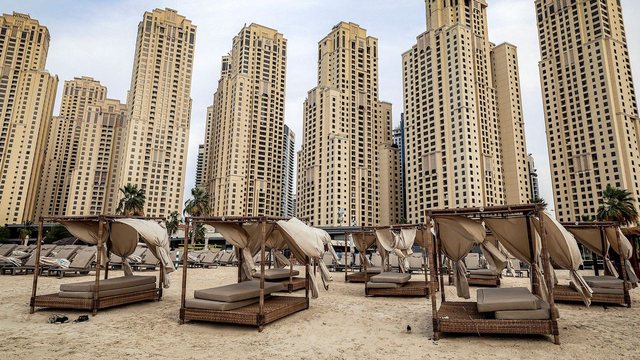
The Burj Al Arab hotel, built on an artificial island that lies in the Persian Gulf, is famous throughout the world for its impressive design reminiscent of a sailboat.
But today, waiters, drivers, chefs and all the staff who served the needs of wealthy guests who paid tens of thousands of pounds a night for a suite have been laid off.
The Bentley and Lamborghini are no longer parked outside. The rooftop helipad is empty. According to the Daily Mail, when a journalist tried to visit this week, a polite security guard informed him that the entire complex was closed.
The luxury building – a symbol of Dubai’s opulence – has closed, along with at least three other palace hotels owned by the ruling sheikh. The hotel’s reservations department said the hotels were closing for a year for “renovation.” However, the spokesman admitted under pressure that the war in the Middle East had played a significant role in their closure.
Dubai is a collateral casualty of a war that Donald Trump and Benjamin Netanyahu have launched against Iran, which lies just 75 miles away across the glistening waters of the Gulf.
In response to the Operation Epic Fury attacks, which began on February 28, Iran has struck US allies in the region – particularly the United Arab Emirates – targeting sensitive targets such as data centers, desalination plants and hotels.
Even the famous Burj Khalifa was reportedly engulfed in flames at one point – officially attributed to “fragments” from a captured drone, although reports suggest the incident was more serious.
Dubai's impressive, luxurious hotels are almost empty and in shopping malls, bored staff stare at their phones waiting for a customer to enter.
A jeweler at the emirate's largest shopping mall discovered that by 1:30 p.m. not a single person had entered.
A taxi driver admitted that his job had been cut by 90%. Hotel workers were talking about layoffs.
"There has been serious damage, anyone who says otherwise is talking nonsense," said a property developer, who is selling apartments with private pools and air-conditioned balconies costing almost five million pounds.
And while the country's air defenses claim to have shot down 537 ballistic missiles, 26 cruise missiles and 2,256 drones in five weeks of war, at least 13 people have been killed – and Dubai's reputation has been irreparably damaged.
Numerous Iranian drones have successfully hit buildings, foreigners have fled, and tourists have canceled reservations.
Javën e kaluar, pati raportime se një asistente fluturimi 25-vjeçare që jeton atje ishte midis dhjetëra britanikëve që janë arrestuar, shpesh për ndarjen e imazheve të sulmeve. Punëtori thjesht i kishte pyetur kolegët në një grup privat në WhatsApp nëse ishte e sigurt të kalonte nëpër aeroport.
Dubai mbështetet te miliona të huaj – rreth 240,000 britanikë – të cilët e kanë bërë parajsën fiskale shtëpinë e tyre.
Një shofer që pretendoi se kishte parë një rafineri nafte duke u djegur pas një sulmi tha se shumë të huaj ishin arrestuar. “Duhet të jeni shumë të kujdesshëm këtu,” paralajmëroi ai.
Arrestimet, si dhe kërkesat për të raportuar ata që ndajnë video të sulmeve, shtypja e lirisë së shprehjes dhe përpjekja për të mbuluar sulmet, janë një kujtesë e fortë se Dubai është në fakt një diktaturë.
“Ligjet janë aq të gjera sa një cicërimë, një mesazh ose një pjesë e përmbajtjes së ndarë mund të konsiderohet vepër penale nëse autoritetet besojnë se dëmton reputacionin e vendit ose rendin publik,” tha Radha Stirling, themeluese e organizatës Detained in Dubai.
E gjithë kjo e prish imazhin e shkëlqyer të projektuar nga mijëra influencues që flasin për “qytetin më të sigurt në botë”, duke injoruar mungesën e demokracisë, shkeljet e të drejtave të njeriut, mbikëqyrjen intensive dhe shfrytëzimin sistematik të emigrantëve me paga të ulëta.
Regjimi kriminalizon tradhtinë bashkëshortore dhe homoseksualitetin, ndërsa në të njëjtën kohë ekziston një industri e fortë dhe e lulëzuar seksi, me rreth 80,000 prostituta për një popullsi prej katër milionë banorësh, 70% e të cilëve janë burra.
Dubai njihet gjithashtu për “paratë e pista” që ndihmojnë në nxitjen e rritjes së tij. Paratë nga politikanë të korruptuar, mafiozë dhe kriminelë shpesh kalojnë nëpër qytet. Madje ka qenë një strehë për pastrimin e parave iraniane dhe asetet e vjedhura.
Nuk është rastësi që vëllezërit Kinahan – trafikantë famëkeq irlandezë të drogës – kanë jetuar në luks atje.
Në të njëjtën kohë, emirati thuhet se mbështet grupe të armatosura në luftën civile të Sudanit dhe një udhëheqës milicie në Libi i cili kontrollon rrjetet e kontrabandës së emigrantëve në Evropë.
E vetmja gjë që është e sigurt është se ky qytet i pasur me naftë, i cili u transformua nga një fshat peshkatarësh në një metropol luksi, po testohet seriozisht.
Shkollat kanë kaluar në mësime online në stilin Covid, ndërsa shumë mësues kanë shkuar përkohësisht jashtë vendit. Bankat, përfshirë Goldman Sachs dhe Standard Chartered, u kanë kërkuar stafit të punojë nga shtëpia.
Një qendër tregtare në qendrën financiare të qytetit dukej pothuajse e shkretë, me pak drita të ndezura në apartamente natën.
“Shumë prej tyre kanë lënë ose kanë braktisur punët e tyre. Modeli i biznesit po shembet. Kam frikë nga dëmet afatgjata”, tha një menaxher pronash.
Tregu i pronave, i nxitur nga investitorët e huaj, duket se është përsëri nën presion, me ulje çmimesh dhe thashetheme për vështirësi financiare.
In a £3.75 million apartment in Dubai Internet City, the agent spoke of desperate sales and the worst year he has ever seen.
Another broker described the market as a "buyer's market," saying it was the first time in weeks that he had had a foreign client.
Despite the difficulties, Dubai continues to attract around 20 million tourists a year, aiming to remain a global hub of trade and tourism.
However, prices have fallen and luxury hotels now offer stays at prices comparable to low-cost hotels in Europe.
An employee at the Park Hyatt Dubai spoke of a "strange" situation with empty rooms and possible staff cuts.
Other employees spoke of a halving of turnover.
At another luxury hotel, Raffles Dubai, the look was equally serene, with minimal use of the facilities.
An Uber driver said: "Life is difficult, many have left. We hope this situation ends soon."
Similar reports show that the crisis is affecting many sectors of the economy, from food service to real estate.
Analysts estimate that millions of visitors could be lost from the wider region if the instability continues.
The psychological dimension of fear remains essential: discussions of a possible nuclear war, even in bars with football fans, indicate a climate of concern.
At activities such as Deep Dive Dubai, visitors continue to enjoy the experience, but even there, warnings of possible attacks are treated with increased caution.
At the same time, influencers continue to project an image of normality and safety, despite reports of layoffs and social pressure.
Dubai is facing a period of uncertainty that combines economic pressures, geopolitical tensions and social contradictions.
Although it remains one of the most impressive and ambitious urban models in the world, the current situation raises questions about the sustainability of its development model and whether the image of absolute stability now reflects reality.