Is this police force professional and capable of handling violen...
/ 2026-10-16 18:54:07Focus


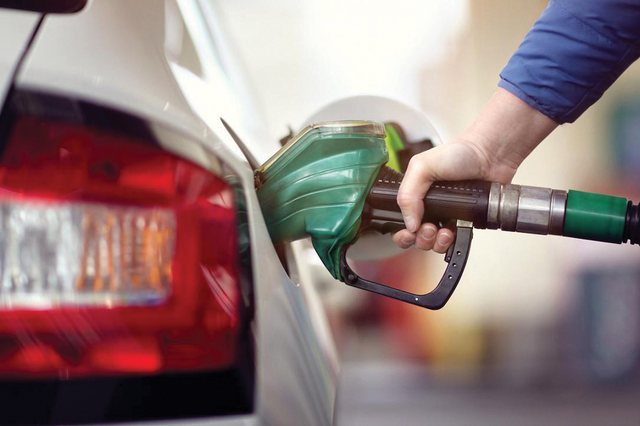
The drop in oil prices on international markets does not mean that gasoline and diesel at the pumps will immediately drop. According to the New York Times , the reason is simple: gas stations buy supplies late, at prices that have been higher, and try to protect their margins in a market where consumers react immediately to any increase.
A gas station owner in Massachusetts says that the wholesale price of gasoline for him increased by almost 40% in a few weeks, while he himself raised the price for consumers by about 34%, because he was afraid that if he went higher he would lose customers. According to him, when prices rise quickly, small businesses immediately feel the hit to cash flow, while when prices fall, they move more slowly to lower them in order to recoup some of the losses.
Economic experts say this is common behavior: consumers get very angry when prices suddenly increase, but when they fall a little, even a small reduction seems like good news to them. For this reason, gas stations keep prices slightly higher even when wholesale costs start to fall.
Another reason is that most gas stations today do not derive their main profit from the fuel itself, but from stores, restaurants and other sales. Fuel accounts for the bulk of the turnover, but not the profit. Therefore, owners are wary of very high prices, especially above the psychological threshold of $4 per gallon, because this reduces the flow of customers and harms other sales.
In the US, consumers are responding by buying less fuel at each fill-up, switching to cheaper grades and in some cases changing long-term behaviors, such as pooling trips. According to operators, when prices cross certain thresholds, some of this change in behavior persists even after prices fall.
So the main message is this: Even if crude oil prices fall, prices at the pump fall more slowly. Not only because of past costs, but also because the fuel market today operates on more complex logic than simply “oil prices fall, so do prices at the pump.” (NY Times)