"The fate of the homeland is in our hands" - An appeal by Ismail...
/ 2026-10-18 16:09:54Focus


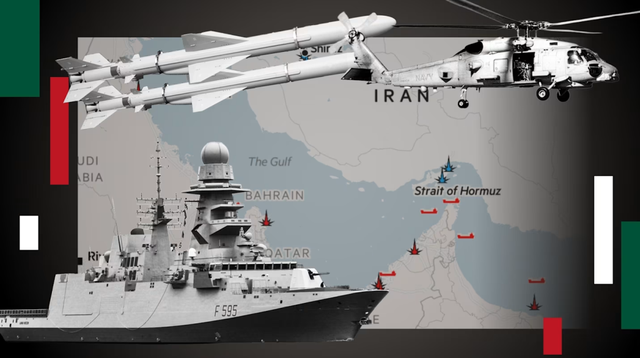
While civilians in the region pay the highest price, the war with Iran has reshaped the balance of power across the Persian Gulf. Some states have gained more influence, while others have lost weight.
The announcement of a two-week ceasefire between Iran, Israel and the United States has put the war on hold after 40 days of intense attacks and counterattacks. As always, civilians have borne the brunt of the fighting. Thousands have been killed or wounded, and many more have been displaced. Homes, infrastructure and livelihoods have been destroyed — in Iran, in Israel and across the region.
Despite the ceasefire with Iran, Israel has continued its military campaign against Iran-backed Hezbollah in Lebanon. Just hours after the ceasefire was announced, Israel carried out its heaviest attacks on the neighboring country since the conflict with Hezbollah intensified last month.
War has no winners. But conflicts reshape global politics. They affect alliances, energy markets, and global influence. Looking at the war with Iran from this perspective, it is clear how the balance of power is being reshaped beyond the Middle East.
Iran: the regime under pressure, but still standing
Iran has been at the center of the conflict. Since February 28, the United States and Israel have carried out heavy airstrikes against military targets and energy infrastructure. According to the US-based human rights group HRANA, more than 3,600 people have been killed in Iran. That number includes Supreme Leader Ayatollah Ali Khamenei and many other senior political and military figures, but also 165 people at a girls’ school, most of them children. Despite the loss of its leadership, the core of Iran’s political system remains intact.
"There is no movement towards regime change," American political analyst and president of Eurasia Group Ian Bremmer told DW. "There is no movement towards saving the Iranian people, which, at least in the early days of the conflict, President Trump said was a goal."
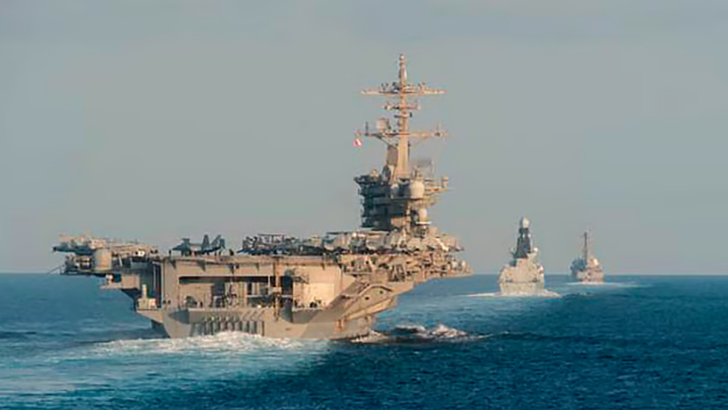
In response, the Iranian regime took a high-risk step. It effectively blocked the Strait of Hormuz to maritime traffic, allowing only a few countries to use it. It is a narrow sea channel through which about a fifth of the world’s oil supply passes. The move raised global oil prices and increased pressure on the United States and its allies.
The strategy paid off. Tehran managed to secure a ceasefire without admitting defeat. The government can present the ceasefire as proof that it resisted the United States and all its military might. US President Donald Trump has accepted Iran’s 10-point plan as a basis for talks. The Iranian regime has survived and bought time to try to shape the next phase under more favorable conditions.
United States: military victory, political constraints
President Trump called the result a "total and complete victory."
Many analysts disagree.
"They have achieved some objectives," Ian Bremmer told DW. "If you look at the damage done to Iran's military capabilities, its conventional ballistic capabilities and its naval capabilities, a large part of them has been severely degraded."
Parts of its nuclear program have also been severely damaged. That matters to Washington, which says preventing Iran from acquiring nuclear weapons was a key objective.
But the US has also suffered losses. Iranian attacks have damaged or destroyed radar systems and aircraft worth billions of dollars. Its reputation as a protector of Gulf allies has been seriously damaged, as Iran has struck its neighbors — not just American bases but also key infrastructure. Relations with Europe and NATO have been strained by the fact that Washington launched the war without consulting its allies. The ceasefire has stopped attacks on US forces and, for now, reduced the risk of a wider regional war, a top US priority. The Strait of Hormuz is expected to reopen, easing pressure on oil markets.
Washington will return to the negotiating table with Iran, where it was at the start of the war. However, the US has not changed Iran's position in the way it intended, and the cost to its international reputation remains to be seen.
Israel: tactical victory, long-term risks
Israel has weakened Iran's military capabilities. It has shown that it can strike far beyond its borders and continues to enjoy strong support from the United States.
At the same time, the war exposed weaknesses. Iranian missiles put Israel's air defenses under constant pressure, and some of them penetrated, killing more than 30 people. The threat from Iran and its regional allies remains.
Fawaz Gerges of the London School of Economics told DW that Israel could emerge from the war "much weaker." He argues that the diplomatic damage is likely to be considerable, especially in its neighborhood — Gulf states are now less likely to deepen ties with Israel.
China: long-term beneficiary
Kina ka gjasa të përfitojë në afat të gjatë. SHBA‑ja ka zhvendosur shumë mjete ushtarake në Lindjen e Mesme për të mbrojtur lundrimin pranë Ngushticës së Hormuzit. Kjo lë më pak burime për rajonin Indo‑Paqësor, ku Uashingtoni dhe Pekini konkurrojnë për ndikim.
"Kina përfiton jo vetëm sepse SHBA-ja është më pak e përqendruar në mjedisin ushtarak aziatik, por edhe sepse Shtetet e Bashkuara shihen si shumë më pak të besueshme nga vetë aleatët e tyre,” tha Bremmer. "Dhe kjo do të thotë se Kina, në krahasim, shihet si një aktor relativisht i qëndrueshëm.”
Pekini bëri thirrje për përmbajtje gjatë gjithë luftimeve dhe e mirëpriti armëpushimin. Ai u paraqit si një aktor global i përgjegjshëm, duke mbrojtur njëkohësisht interesat e tij ekonomike.
Kina blen më shumë se 80% të eksporteve të naftës së Iranit, shpesh me çmime të ulura. Por kohët e fundit ajo ka krijuar rezerva të mëdha energjetike, gjë që i mundëson të përballojë luhatjet e çmimeve më mirë se shumë rivalë.
Rusia: përfitime nga destabilizimi
Lufta e ka ndihmuar Rusinë në disa mënyra. Rritjet e çmimeve të energjisë rritën të ardhurat e Moskës në një kohë kur buxheti i saj ishte nën presion për shkak të luftës në Ukrainë. Sanksionet u lehtësuan përkohësisht, ndërsa vendet kërkonin burime alternative nafte.
Edhe pse çmimet kanë rënë që nga armëpushimi, një përfitim tjetër mbetet: vëmendja globale është larguar nga lufta e Rusisë në Ukrainë.
Për më tepër, "Shtetet e Bashkuara kanë zhvendosur një pjesë të madhe të kapaciteteve të tyre ushtarake në Gjirin Persik. Kjo do të thotë se sistemet e armëve që u nevojiten ukrainasve thjesht nuk do të jenë të disponueshme,” tha Bremmer.
E megjithatë, Irani është një vend mik, një nga të paktët që kanë mbetur në rajon, ndaj dobësimi i tij përbën një humbje për Rusinë.
Shtetet e Gjirit: përfitime të përziera me ekspozim ndaj rrezikut
Sulmet iraniane goditën Arabinë Saudite, Emiratet e Bashkuara Arabe dhe vende të tjera të Gjirit. U dëmtuan objekte energjetike me vlerë miliarda dollarë dhe u trondit ndjesia e tyre e sigurisë.
Megjithatë, disa vende përfituan gjithsesi. Arabia Saudite anashkaloi Ngushticën e Hormuzit dhe arriti të mbante në qarkullim një pjesë të madhe të naftës së saj përmes Tubacionit Lindje‑Perëndim drejt Detit të Kuq.
"Buxheti i Arabisë Saudite në fakt duket shumë premtues, sepse ata po nxjerrin shumë energji në treg dhe po e shesin me një çmim shumë të lartë,” tha Bremmer.
Të tjerët ishin më të ekspozuar. Emiratet e Bashkuara Arabe (EBA) varen shumë nga punëtorët dhe investitorët e huaj. "90% e mbi 10 milionë banorëve të EBA‑së janë emigrantë,” tha Bremmer. "Dhe ata duhet të ndihen të sigurt se ky është një vend i sigurt për ta.”
Frika nga pasiguria ka dëmtuar imazhin e tyre si strehë të sigurta — një shtyllë kyçe e modelit të tyre ekonomik.
Evropa: kosto e lartë ekonomike dhe frikë nga pasoja të mëtejshme
Higher energy prices hit households and industry in Europe, as they do in many other parts of the world. Disruptions to shipping affected trade and inflationary pressures increased, at a time when many European economies were under strain.
The situation has deepened divisions within traditional alliances. European governments have refused to support U.S. military operations. Some have also refused to allow the use of their airspace for offensive missions. President Trump has responded by threatening again to withdraw the United States from NATO — a scenario that many Europeans fear.
Pakistan: diplomatic moment
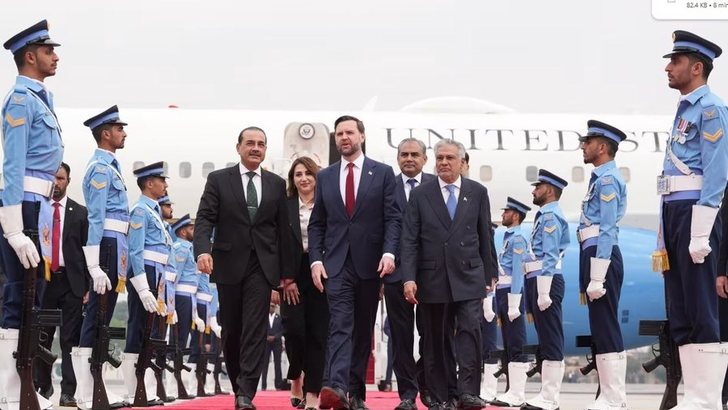
Pakistan played a central role in brokering the ceasefire and is now expected to mediate further talks.
For Prime Minister Shehbaz Sharif, this is a major diplomatic success. Pakistan has ties to both Washington and Tehran and has been quietly relaying messages between them for weeks.
The result has strengthened Pakistan's role as an important regional mediator. Its rival, India, has remained in the shadows and has been hit hard by rising energy prices./ DW