"The fate of the homeland is in our hands" - An appeal by Ismail...
/ 2026-10-18 16:09:54Focus


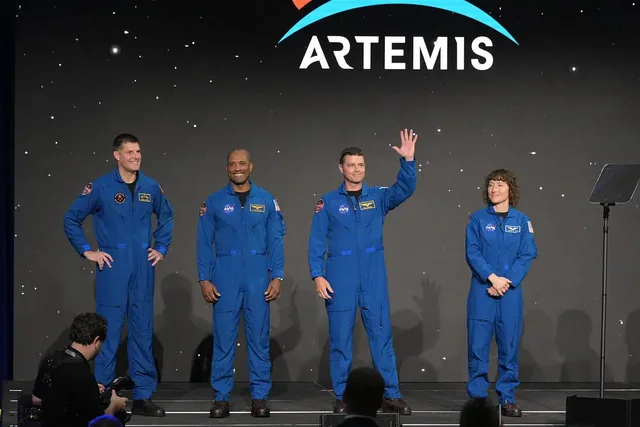
A grand reception was held for the four-astronaut crew of the Artemis II mission after the Orion spacecraft returned to the Pacific Ocean on Friday evening.
The astronauts arrived at Ellington Field at the Johnson Space Center in Houston on Saturday, greeted by cheers, applause and hugs from NASA Administrator Jared Isaacman. The crew members were reunited with their families after completing their historic 10-day journey around the moon.
Isaacman called the mission "the greatest adventure in the history of mankind."
The crew — NASA's Reid Wiseman, Victor Glover, Christina Koch and Canadian Space Agency astronaut Jeremy Hansen — completed a record-breaking flight near the moon. The astronauts traveled deeper into space than any human had dared before. The Artemis II mission was a test flight, serving as an experiment to lay the groundwork for future missions. But the moment of reuniting with their loved ones was among the most beautiful things about the crew's journey.
"Victor, Christina and Jeremy, we are, we are connected forever, and no one down here will ever know what the four of us went through," Wiseman said. "And it was the most special thing that will ever happen to me in my life," he added.
Wiseman acknowledged that no one will truly know what the crew's families experienced.
“It wasn’t easy being over 200,000 miles away from home,” Wiseman said. “Like, before you go, it feels like the biggest dream on Earth, and when you’re there, you’re just going to go back to your families and friends. It’s a special thing to be human, and it’s a special thing to be on planet Earth.” Wiseman was visibly emotional during his speech, and the four crew members stood up to hug each other on stage.
Glover admitted that he had not yet fully mentally processed the entire mission, but expressed gratitude to God for everything.
"When this started, I wanted to thank God publicly and I want to thank Him again, because even greater than my challenge to describe what we went through, the gratitude for seeing what we saw, doing what we did and being with those I was with, is too great to simply be in a body," Glover said.
“And I wanted to thank our families for everything,” he added. “I love you, but not just those five beautiful brown-skinned ladies over there,” Glover said, addressing his family. “I love you all,” he added.
Koch tregoi se infermierja e saj në anijen e Marinës i kërkoi një përqafim mbrëmë, një nga shumë "momentet njerëzore" të mëdha që filluan dhe përfunduan misionin, tha ajo. Artemis II i mësoi vërtet kuptimin e asaj që do të thotë të jesh pjesë e një ekuipazhi, tha Koch.
“Një ekip është një grup që është pjesë e tij gjatë gjithë kohës, pavarësisht gjithçkaje, që bashkëpunon çdo minutë me të njëjtin qëllim, që është i gatshëm të sakrifikojë në heshtje për njëri-tjetrin dhe që mban përgjegjësi”, tha Koch. “Një ekip ka të njëjtat shqetësime dhe të njëjtat nevoja, dhe një ekip është i lidhur në mënyrë të pashmangshme me njëri-tjetrin”, tha ai më tej.
Ajo tha se një nga gjërat që e befasoi më shumë erdhi ndërsa vëzhgonte Tokën e vogël përmes dritares së Orionit, dhe gjithë errësirën përreth saj.
“Njerëzit na pyesnin se çfarë përshtypje kishim. Nuk ishte vetëm Toka ajo që më tronditi, por errësira e pafund përreth saj. Dukej sikur planeti ynë ishte një anije që qëndronte pezull në univers”, u shpreh ajo.
“E di që nuk kam mësuar ende gjithçka që ky udhëtim më ka mësuar”, tha Koch. “Por ka një gjë të re që di, dhe ajo është planeti Tokë: Ju jeni një ekuipazh”, vijoi ajo më tej
Hansen vuri në dukje gjithashtu se përvoja njerëzore ka qenë e jashtëzakonshme për të dhe shokët e tij të ekuipazhit - dhe dukej i emocionuar kur mësoi se ishte e njëjta gjë për të gjithë në Tokë që ndoqën misionin.
“Ne kemi një term në ekipin tonë që e kemi shpikur shumë kohë më parë, 'treni i gëzimit'”, tha Hansen. “Dhe duket sikur keni parë shumë gëzim atje lart. Kishte shumë gëzim. Ne nuk jemi gjithmonë në trenin e gëzimit, ky ekip, ka shumë raste që nuk është në trenin e gëzimit, por ne jemi të përkushtuar të kthehemi në ‘trenin e gëzimit’ sa më shpejt të jetë e mundur. Dhe kjo është një aftësi e dobishme jetësore për çdo ekip që përpiqet të bëjë diçka”, vijoi më tej ai.
Hanseni u kërkoi shokëve të ekuipazhit të qëndronin pranë tij, ndërsa ai fliste për dashurinë.
“Ajo që patë ishte një grup njerëzish që e donin kontributin, kishin një kontribut domethënës dhe nxirrnin gëzim nga kjo”, tha Hansen. “Dhe ajo që kemi dëgjuar është se kjo ishte diçka e veçantë për ju për ta dëshmuar. Do t'ju sugjeroja që kur shikoni këtu lart, nuk po na shikoni ne. Ne jemi një pasqyrë që ju pasqyron, dhe nëse ju pëlqen ajo që shihni, atëherë shikoni pak më thellë. Ky jeni ju”, vijoi ai më tej.
Gjatë udhëtimit, astronautët ishin në gjendje të flisnin me bashkëshortët dhe fëmijët e tyre nëpërmjet telefonatave të shkurtra dhe në distancë. Wiseman, komandanti i misionit, tha se përvoja e dëgjimit të bisedave të anëtarëve të ekuipazhit, ndërsa ishin të ngjeshur së bashku në anijen kozmike Orion me gjerësi 5 metra, ishte një përvojë e jashtëzakonshme lidhjeje mes tyre.
“Të dëgjosh shokët e ekuipazhit duke qeshur dhe duke qarë, dhe thjesht duke marrë frymë thellë, duke dëgjuar dhe duke dashur familjet e tyre nga larg”, tha Wiseman, ka qenë përvoja “më e freskët” e misionit.
"Family is very important to all four of us, and this has been wonderful," Wiseman said during a message from Orion on April 8.
Wiseman said he was moved to tears and barely able to speak when he first connected with his daughters from space. He is survived by his wife, and during the mission, the crew proposed naming a lunar crater after his late wife, Carroll.
Wiseman's final words on Saturday were to the NASA astronauts gathered in the auditorium.
“It’s time to go and get ready,” Wiseman said, speaking about future space exploration. “Because it takes courage. It takes determination. And you’re all moving forward with all your heart, and we’re going to be there supporting you every step of the way in every way we can.”
Isaacman said the Artemis II mission will always be remembered because it is the moment when the crew and people around the world saw the moon again and "where childhood dreams became missions." And it paves the way for future missions like Artemis III, which is expected to launch in 2027. The administrator noted that assembly of the Artemis III spacecraft and the announcement of that mission's crew will happen soon.
"The next crew will begin preparations to play their role as we return to the lunar surface, build the base, and never give up the moon again," Isaacman said.
Vanessa Wyche, director of NASA's Johnson Space Center, said the "joy of the Moon" spread by the crew will empower and inspire a new generation to believe that their dreams are possible.
“This will lead countless students to become the scientists, engineers, inventors, mathematicians and future astronauts who will dare to create new frontiers in space and push the boundaries of what is possible for the good of all,” Wyche said. “We often say that we stand on the shoulders of giants, and, having watched them return from this mission, I have to say that their shoulders now look even broader for the next generation,” he concluded.