"The fate of the homeland is in our hands" - An appeal by Ismail...
/ 2026-10-18 16:09:54Focus


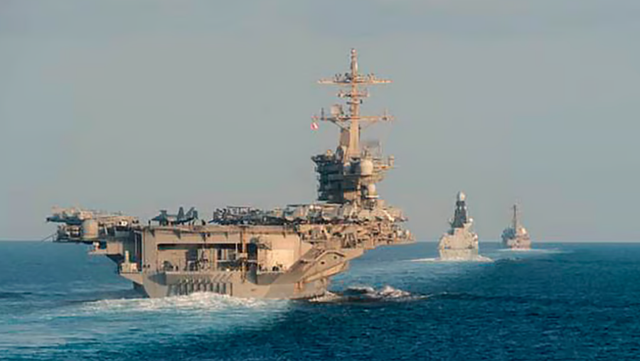
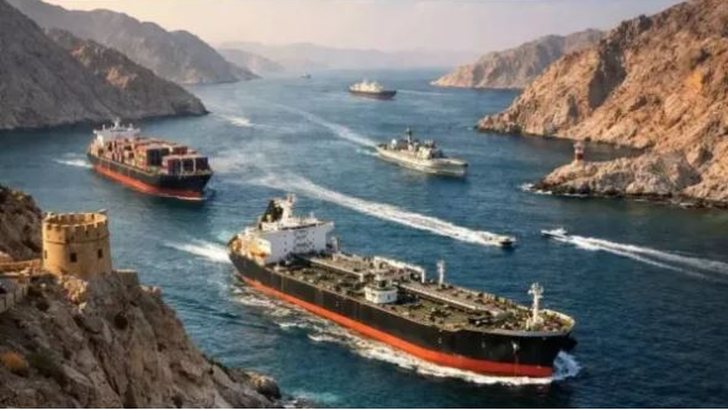
Tensions between the United States and Iran have risen again over the Strait of Hormuz, following contradictory statements about the presence and activity of American military ships in this strategic area.
The US Central Command (CENTCOM) announced that two warships, the USS Frank E. Peterson and the USS Michael Murphy, have passed through the strait as part of a naval mine clearance mission. According to the statement, the operation aims to ensure the safety of navigation in one of the world's most important energy corridors, while the mines are suspected to have been laid by the Islamic Revolutionary Guard Corps.
But these claims were immediately denied by the Iranian authorities. The spokesman for the Central Command, Khatam al-Anbiya, stated that there was no passage of American ships through the Strait of Hormuz, emphasizing that any naval movement in this area is fully monitored by the Iranian armed forces. According to him, the US statements are untrue and aim to create unnecessary tensions.
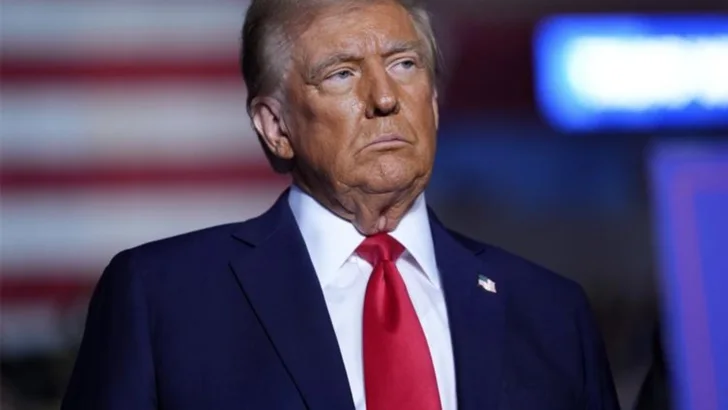
This clash of statements comes at a delicate moment, as representatives of the US and Iran have begun direct talks in Islamabad, Pakistan. Although the parties have entered the negotiations with strong positions, reports point to some positive signals on key issues, including regional security, tensions in the Middle East and the issue of Iranian assets.
The Strait of Hormuz remains a critical point for global oil trade, and any incident or escalation in this area has the potential to directly impact international markets and regional stability.