"The fate of the homeland is in our hands" - An appeal by Ismail...
/ 2026-10-18 16:09:54Focus


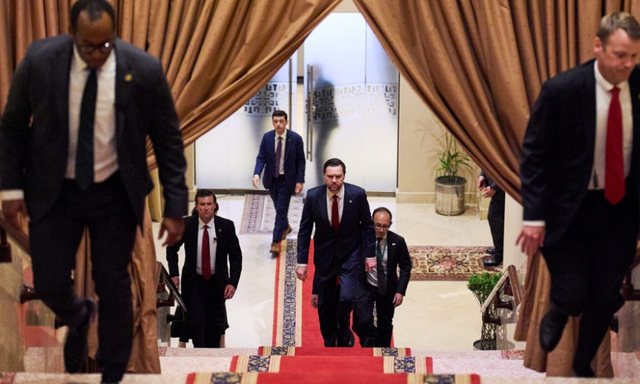
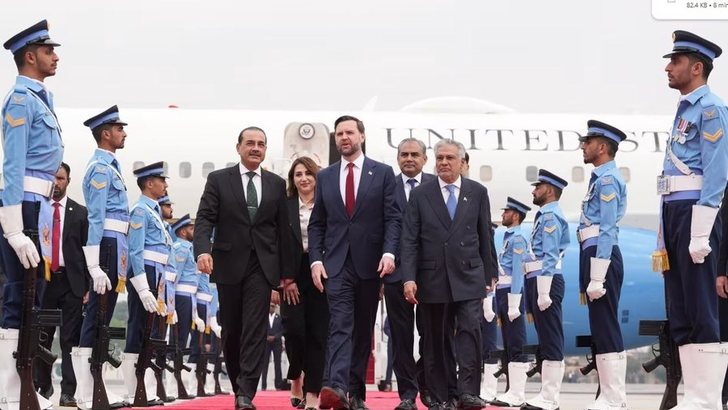
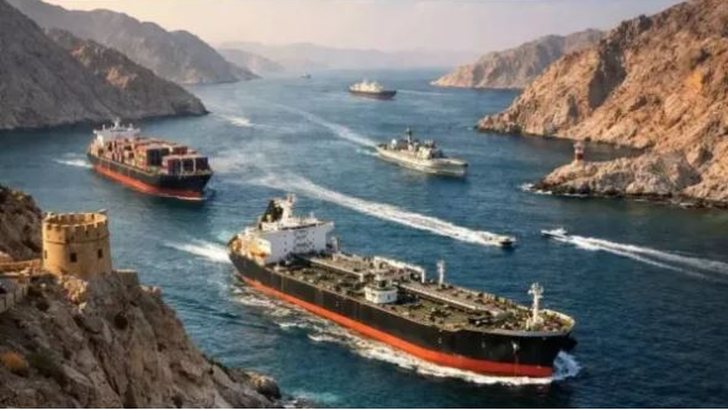
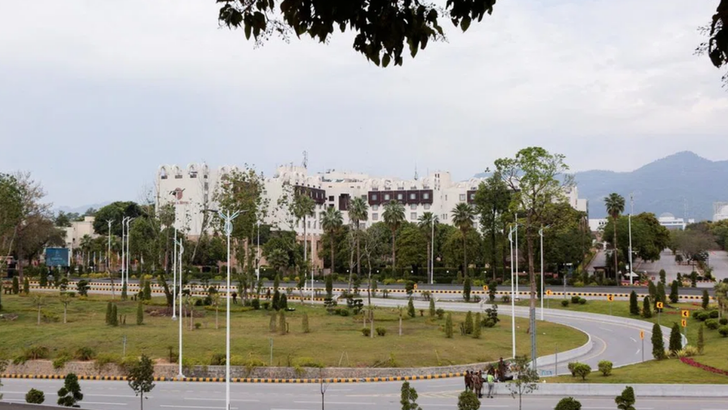
Talks between Iran and the United States, held in Islamabad, Pakistan, have again stalled on a key issue, control of the Strait of Hormuz. As predicted, this strategic maritime corridor remains the main point of conflict between the parties, reflecting broader tensions over the balance of power in the Gulf region.
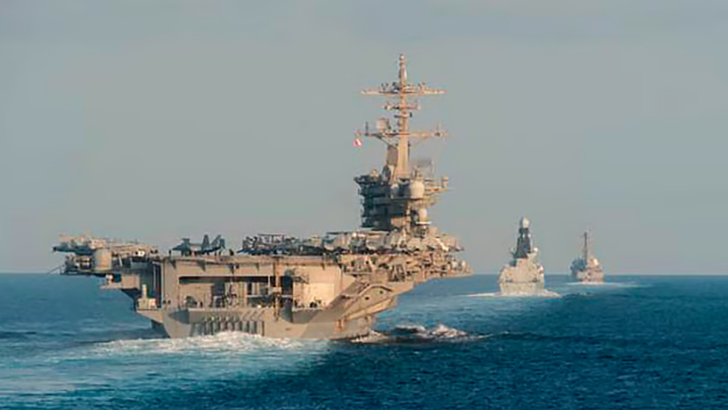
The Iranian delegation continues to demand greater control over the area, including imposing tariffs on shipping. Tehran has also rejected the idea of joint administration of the strait, which would give more space to US allies in the region.
The issue is not just technical or economic, but also symbolic. A greater role for Iran in this vital artery of global trade would mean for Washington accepting a new balance of power, a scenario that US regional allies consider unacceptable.
Iran's demands
At the negotiating table, the Iranian side has presented a clear list of demands.
They include unblocking frozen assets abroad, stopping attacks on its allies in the region, and guarantees not to conduct new military operations on Iranian territory.
Tehran also demands the lifting of primary and secondary sanctions, which have burdened the country's economy and directly affected the lives of its citizens. For the Iranian authorities, the end of these measures is an essential condition for any peace agreement, along with security guarantees that avoid the risk of a new escalation.
The American position
On the other hand, the United States remains steadfast on several key demands.
They demand that Iran reduce its uranium enrichment level, although this issue seems to have somewhat lost its initial priority.
However, the strongest clash relates to Iran's right to continue enriching uranium for civilian purposes, a demand that conflicts with the American position and with International Atomic Energy Agency resolutions, which Tehran seeks to annul.
Regarding the Strait of Hormuz, Washington insists on free and safe passage for ships, without additional fees. The US administration proposes that the strait function as an open corridor and be jointly monitored by the parties.