Protests, violence, curfews: From France to Albania, why Europe'...
/ 2026-10-20 23:47:20Focus


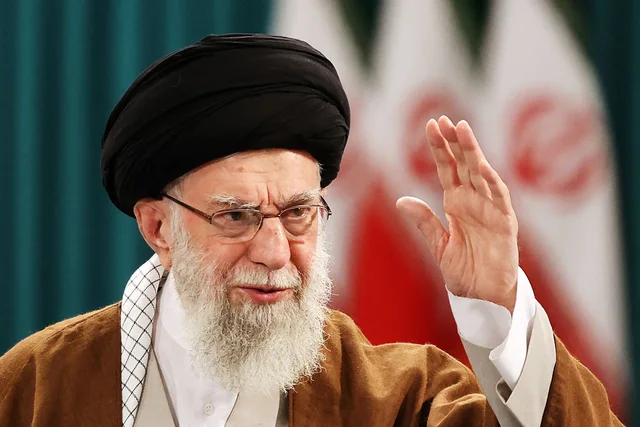
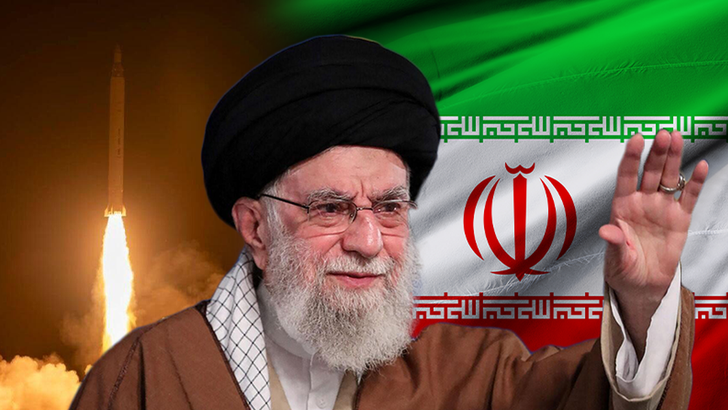
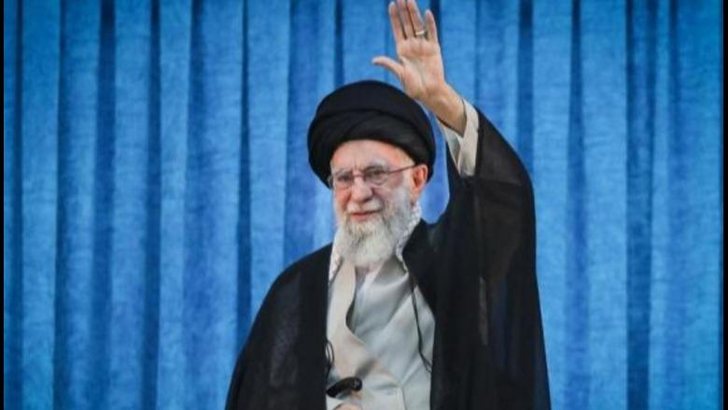
Iranian officials are considering removing Ayatollah Ali Khamenei from the position of Supreme Leader of Iran after the country suffered airstrikes by Israel and the United States that severely damaged the country’s nuclear facilities, according to sources involved in the discussions, The Atlantic reported in a report published Sunday. The plot to replace the supreme leader is being planned by a group of businessmen, military and political figures, as well as relatives and high-ranking clerics, the report said.
“Ours is just an idea,” a source told The Atlantic. “Tehran is now full of such plots. They are also talking to the Europeans about the future of Iran. Everyone knows that Khamenei’s days are numbered. Even if he stays in office, he will have no real power.”
The New York Times reported that while Iranian officials assumed the talks with Trump were about negotiating a ceasefire with Israel, the US president wanted to focus on Iran’s nuclear program. The Atlantic reported that Iranian officials sensed this even before the US strikes. However, the sources noted that the alleged plots could go in the opposite direction.
“I think the chances that we can somehow remove Khamenei have now increased. But we are all worried and we are not sure. It could also go in the exact opposite direction.” Iranian Foreign Minister Abbas Araghchi is trying to portray Iran as committed to its policies and not surrendering, while mobilizing support abroad and reaching out to countries for mediation.
The officials said former Iranian President Hassan Rouhani is being considered by Iranian officials for a key role, but stressed that he was not involved in discussions to replace Khamenei. Some of the sources said they want to reach a deal with U.S. President Donald Trump, while others want the Islamic Republic to respond to U.S. airstrikes.
Earlier in the day, before The Atlantic's report, three other Iranian officials told The New York Times on condition of anonymity that Khamenei had blocked all electronic communications and spoken to commanders through a "trusted aide" for fear of assassination.
The NYT, citing officials, said the supreme leader was "shocked" by Israel's level of security and its infiltration of the Islamic Republic.