Protests, violence, curfews: From France to Albania, why Europe'...
/ 2026-10-20 23:47:20Focus



The price of oil rose and stock markets fell as investors reacted to US strikes against nuclear targets in Iran.
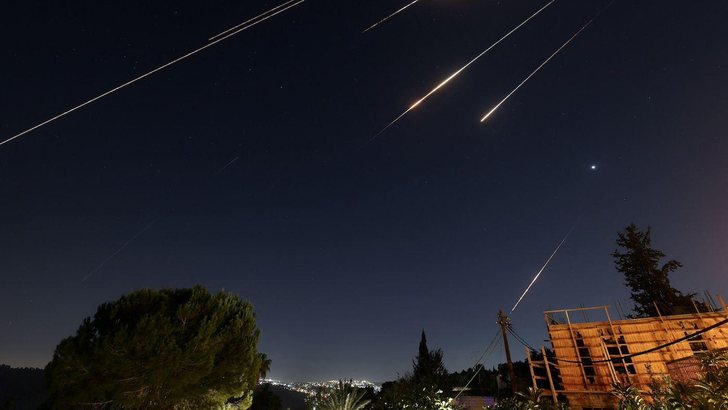
Investors reacted to US attacks on Iran over the weekend, while Iran and Israel continued to exchange missile fire on Monday morning.
The price of Brent crude oil rose by about 1.53% to $78.19 per barrel.
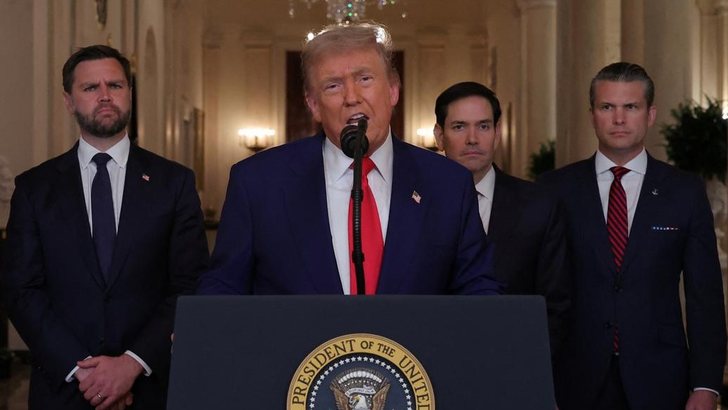
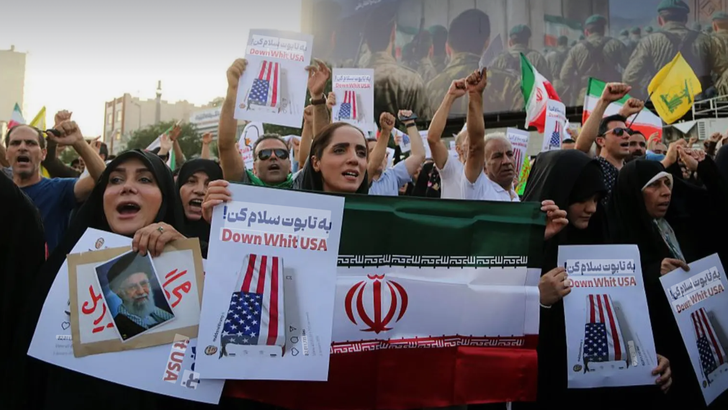
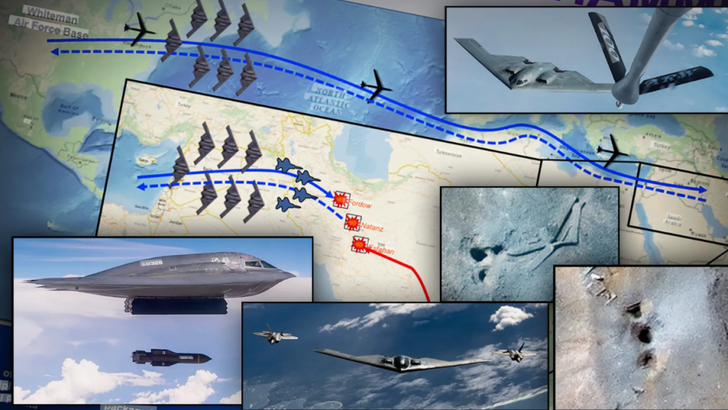
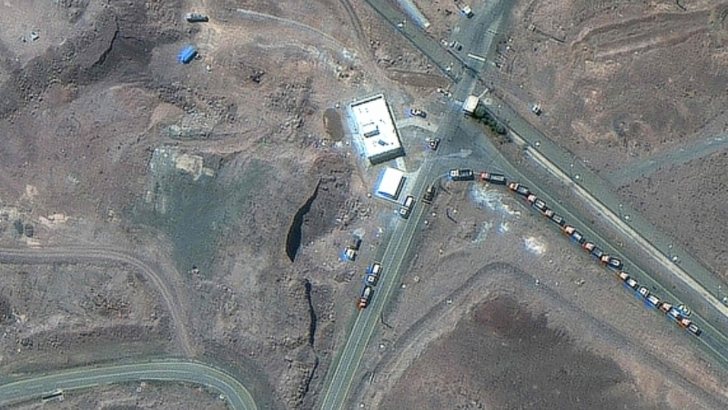
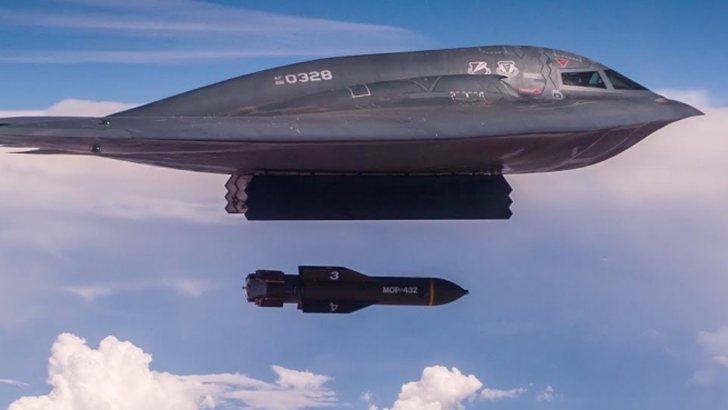
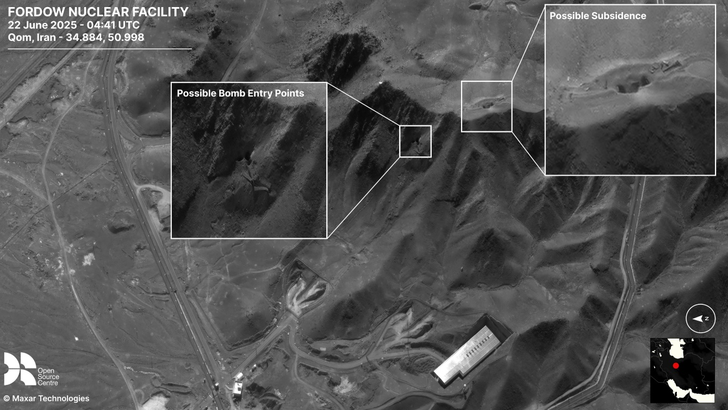
On Sunday, US forces attacked three Iranian nuclear and military facilities, declaring that Tehran should not be allowed to possess a nuclear weapon.
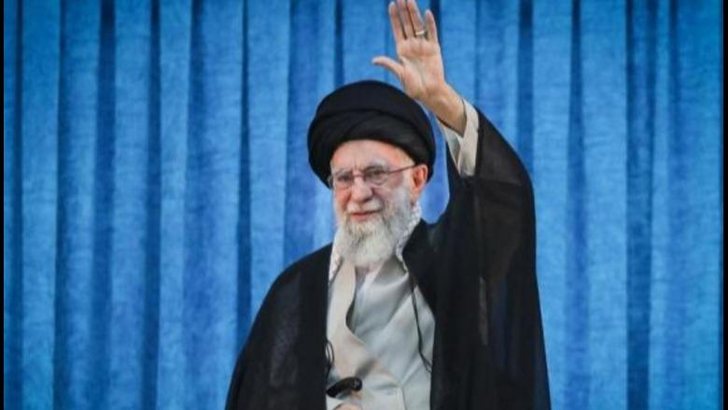
Iran's President, Masoud Pezeshkian, said the country "will never surrender to harassment and oppression," while Iranian Foreign Minister Abbas Araghchi has arrived in Moscow for talks with Russian President Vladimir Putin.
The S&P 500 index fell 0.13% to 6,010.25 and the Dow Jones Industrial Average fell 0.2% to 42,431.00. Meanwhile, the Nasdaq fell 0.18% to 21,804.50 on Monday morning.
In Asian trading, Tokyo's Nikkei 225 index fell 0.19% to 38,331.12, Seoul's Kospi fell 0.3% to 3,012.88, and Australia's S&P/ASX 200 fell 0.37% to 8,474.40.
Hong Kong's Hang Seng Index and Shanghai Composite Index were in positive territory, with respective gains of 0.35% to 23,611.68 and 0.13% to 3,364.29.
The conflict, which flared after an Israeli attack on Iran on June 13, has driven up oil prices, linked to Iran's status as a major oil producer.
The nation is also located on the Strait of Hormuz, through which most of the world's crude oil passes.
Investors are concerned that Tehran could decide to bomb oil infrastructure in neighboring countries or block tankers from traveling through the Strait of Hormuz.
Shipping company Maersk said on Sunday it was continuing to operate through the strait, adding: "We will continuously monitor the security risk to our specific ships in the region and stand ready to take operational action as necessary."
According to ship tracking data compiled by Bloomberg, two supertankers Coswisdom Lake and South Loyalty made a U-turn in the Strait of Hormuz on Sunday.
The situation now depends on whether Tehran decides to choose aggression or a more diplomatic response to US and Israeli attacks.
Iran could try to close the waterway by laying mines across the strait or by attacking and seizing ships. However, this would likely face a strong response from the US Navy, meaning the oil price hike may not be sustainable.
Some analysts also think that Iran is unlikely to close the waterway because the country uses it to transport its crude oil, mainly to China, and oil is a major source of revenue for the regime.
If Tehran were to successfully close the strait, it would cause a broader increase in prices for transported goods and complicate the deflationary process in the US, potentially keeping interest rates higher for longer.
On Monday morning, Trump also mentioned the possibility of regime change in Iran.
"If the current Iranian regime is unable to make Iran great again, why not have regime change?" the US president said on Truth Social.