Protests, violence, curfews: From France to Albania, why Europe'...
/ 2026-10-20 23:47:20Focus


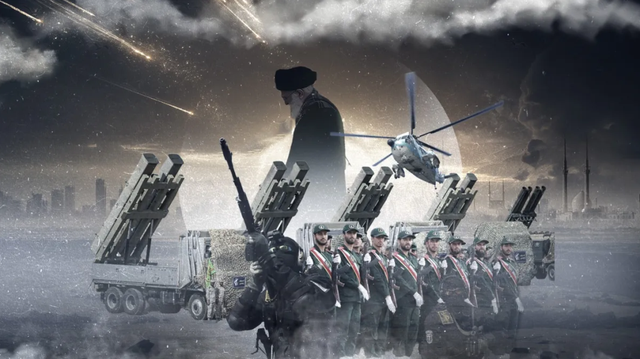
Iran's supreme leader, Ali Khamenei, was killed in a surprise airstrike on Saturday morning in Tehran, in an operation codenamed "Operation Genesis," which marked the beginning of the US and Israeli war against Iran.
According to a detailed reconstruction by The Wall Street Journal, the attack was carried out by Israeli McDonnell Douglas F-15 fighter jets, which took off at around 07:30 Iranian time to strike the most studied target of Israeli intelligence.
Decade of wiretapping and espionage
For more than two decades, the elite Israeli Intelligence Unit "Unit 8200" monitored the communications and routines of Khamenei and the Iranian leadership.
Analysts used wiretaps, cyber operations, and Artificial Intelligence to analyze a large volume of data.
According to sources, Israel also recruited spies in Iran and hacked traffic cameras in Tehran to obtain real-time information on the movements of officials.
The US Central Intelligence Agency (CIA) also shared information with Israel during the preparation of the operation.
The sudden blow
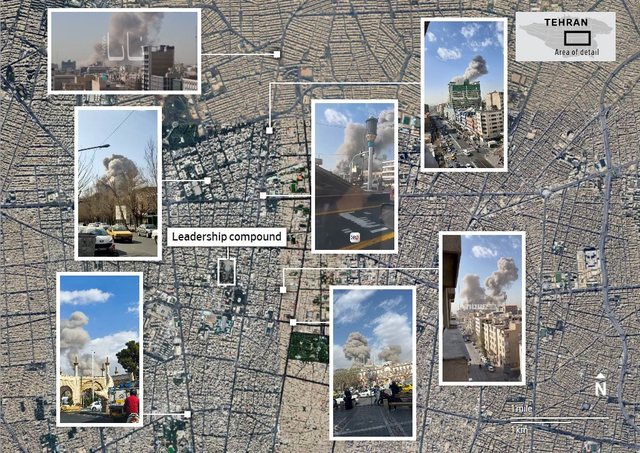
At 09:40, dozens of missiles launched from F-15 jets struck the Iranian leadership compound.
Among them was the Blue Sparrow missile system, which climbs out of the atmosphere before rapidly descending towards its target.
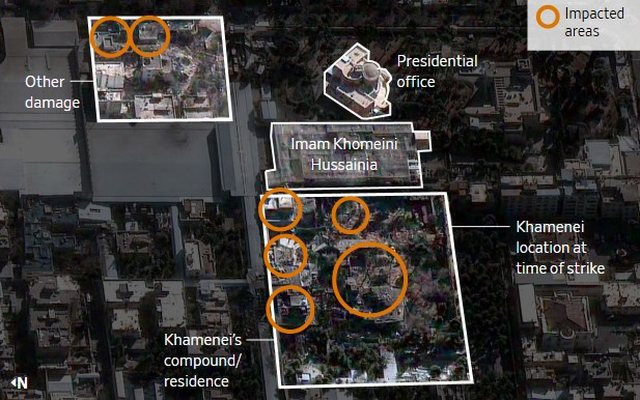
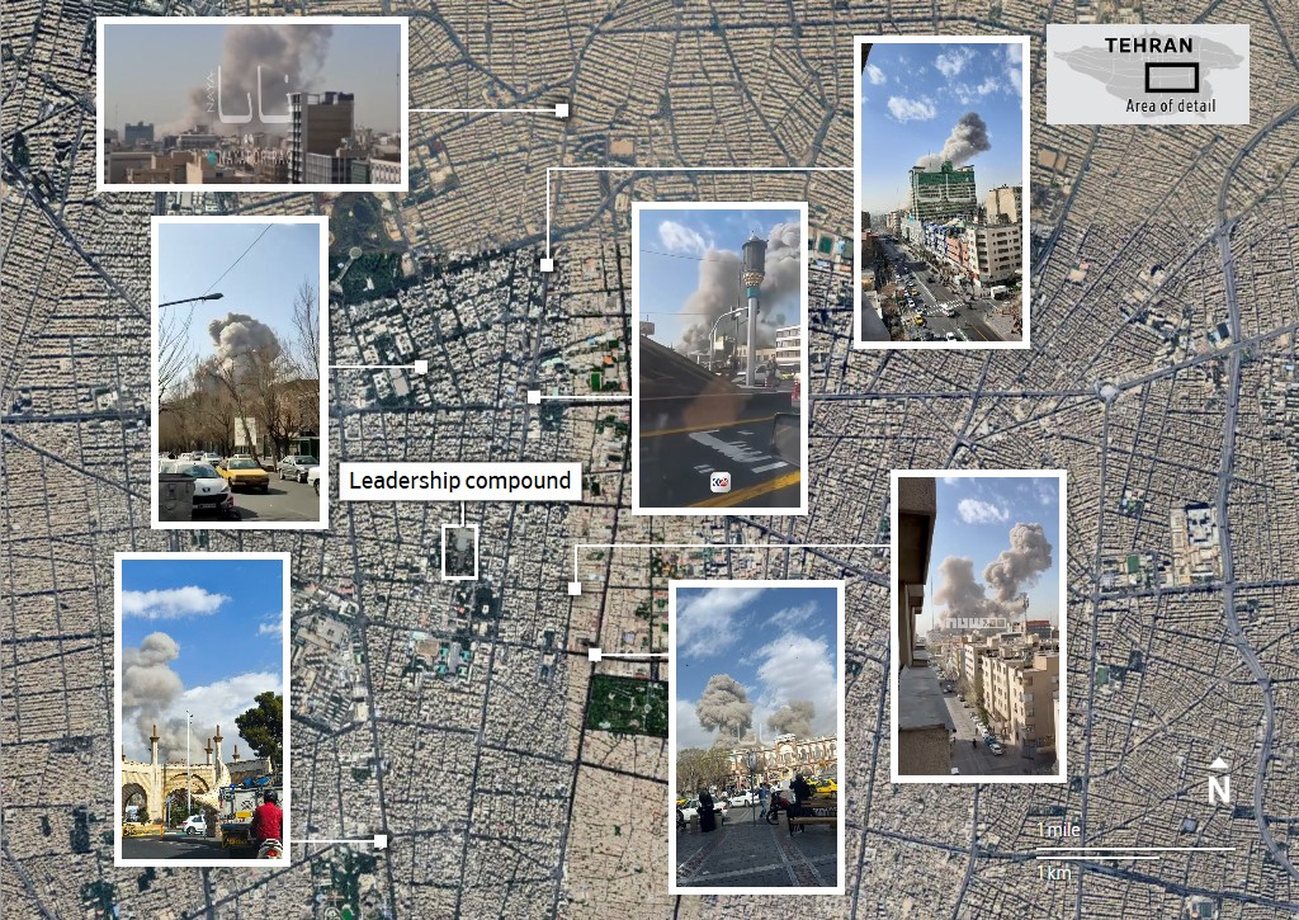
The missiles hit several high-level meetings inside the leader's compound in Tehran. Minutes later, city residents saw heavy smoke rising from the area of the leader's residence.
The consequences of the attack
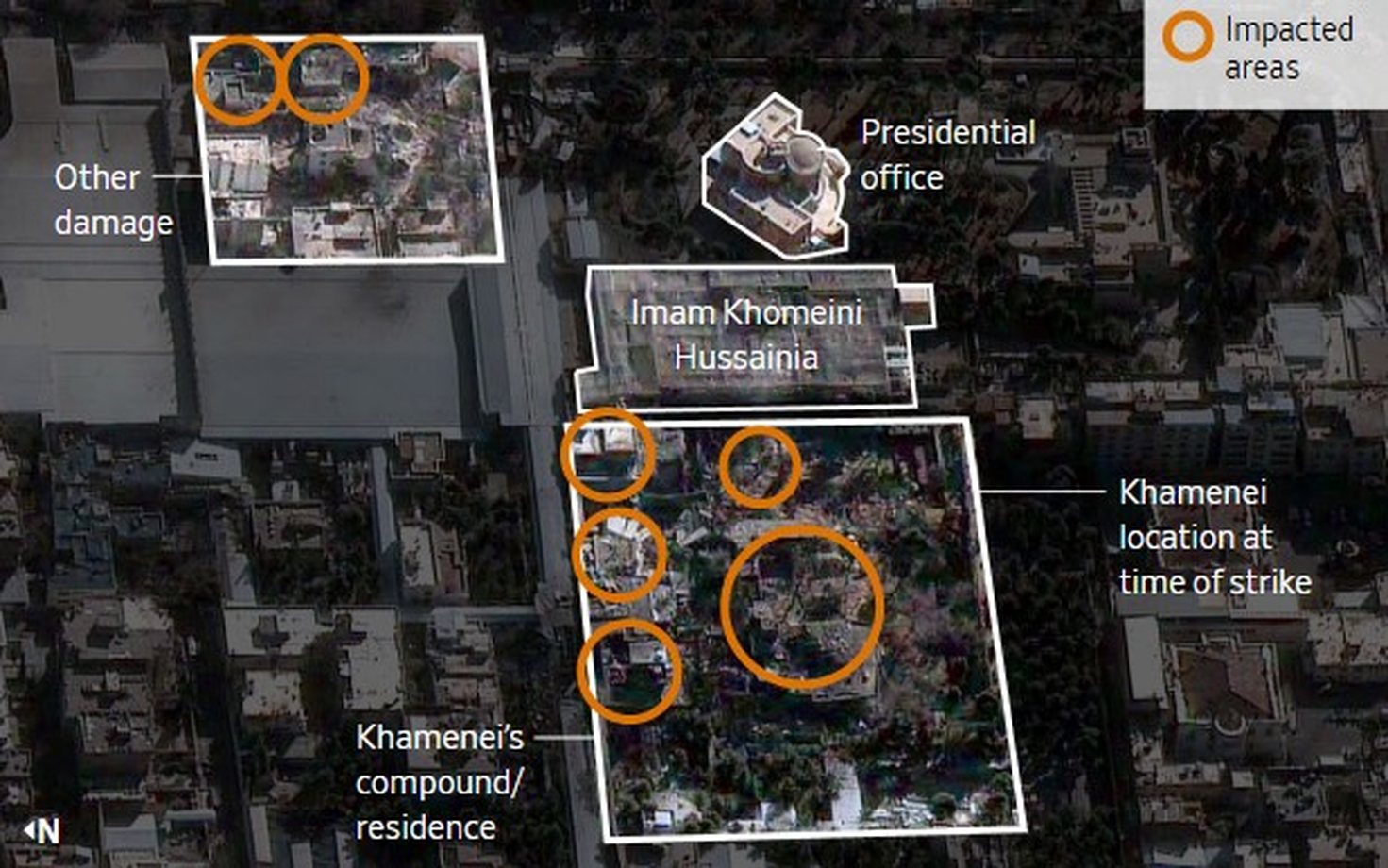
According to analysis of satellite imagery, at least six buildings in the leader's compound were severely damaged, including the residence where Khamenei was at the time of the attack.
The attacks also killed several senior regime figures, including:
-Khamenei's advisor, Ali Shamkhani;
-Minister of Defense Aziz Nasirzadeh;
-the commander of Iran's Islamic Revolutionary Guard Corps, Mohammad Pakpour.
After Khamenei's assassination, the US and Israel immediately expanded military operations.
The US Navy launched Tomahawk missiles, while M142 HIMARS systems struck targets in southern Iran.
Within the first 24 hours, more than 1,000 military targets in Iran were hit.
After the attack, a three-person interim council took over the country, which includes Iranian President Masoud Pezeshkian.
Meanwhile, protests and rallies were reported in various cities such as Isfahan and Karaj, where some citizens celebrated the leader's assassination, while others took to the streets to mourn him.